According to author and environmentalist Bill McKibben, the explosion of solar is “the first hint that we've actually had of something that's scaling fast enough to make even a small difference in how hot this planet gets.”
Amid ongoing uncertainty, some companies are pivoting to broader earnings expectation reports. Plus: Clean air, “peak” oil, nutrition trends, and the ongoing recovery from Hurricane Helene.
From the BBC World Service: Lesotho’s government says soaring youth unemployment and job losses have pushed the small, mountainous country into crisis.
Last week, Cloudflare updated its web services to include blocking AI bots and crawlers from sites by default. Co-founder and CEO, Matthew Prince, hopes this changes the economic model on the internet.
The jobs report says we’ve got a strong labor market. Do we? Plus: Rents hold steady, celebs promote wireless providers and a candlemaker weathers the slow season.
The same way celebrities don’t have to grow their own agave to start a tequila brand, says Kelcee Griffis at Bloomberg, they don’t need to be telecommunication experts to sell service.
Texas lawmakers failed to pass a bill in the regular legislative session that would have improved local governments’ emergency communications infrastructure.
As we enter extreme weather season, the recent federal government cuts to the National Oceanic and Atmospheric Administration and the National Weather Service are a cause for concern.
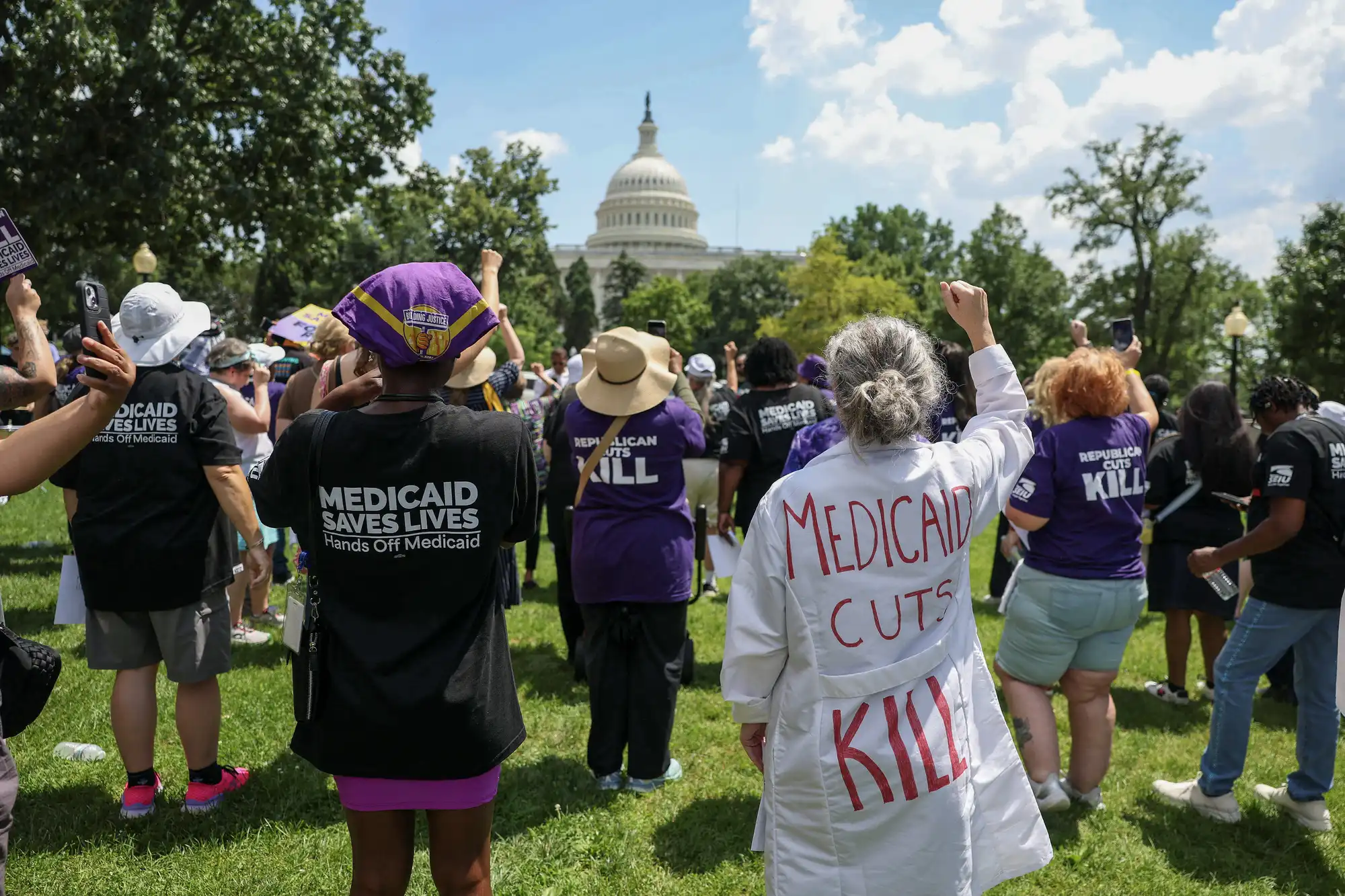
It was one of many programs cut under the new GOP tax and spending bill. Plus: The future of free trade, work-life balance, and a family-owned beauty salon.
“I think free trade has been dead and probably been dead for a while and isn't looking good for any time in the near future,” said Chad Bown, senior fellow at the Peterson Institute for International Economics.
Most retailers used to focus on selling, and left processing, manufacturing, and shipping to specialized companies. The pandemic and now tariffs have both been lessons in doing more in-house.
“I came across a number of job postings in which companies were pretty blunt about what their expectations were for hires,” said Lindsay Ellis at the Wall Street Journal. “And that if you didn't like the culture, you probably shouldn't even apply.”
The massive GOP spending bill signed into law last week includes $186 billion in cuts over the next decade to the Supplemental Nutrition Assistance Program.
From the BBC World Service: President Donald Trump has pushed back a deadline for tariffs while also sending letters to 14 countries with a renewed threat of increased levies.
Tech companies are training AI to help predict and prevent global conflict. Investigative journalist Tekendra Parmar breaks down how governments may begin to use it.
Nations have until Wednesday to reach trade agreements with the U.S. or risk higher tariffs. But there may be some wiggle room. Plus, why more seniors are landing in bankruptcy court.
The steep tariffs Trump announced, and then delayed, in April could come roaring back on Wednesday. But mixed messages from the president and his advisors have left the outcome unclear.
Amy Wu Martin, partner at the venture capital firm Menlo Ventures, explains how consumers are turning to AI tools, chatbots and large language models for things like shopping and parenting help.