For the first time in 15 years, data from the Atlanta Fed shows that people who switch jobs haven’t been getting any more of a pay bump than people who stick with the same company.
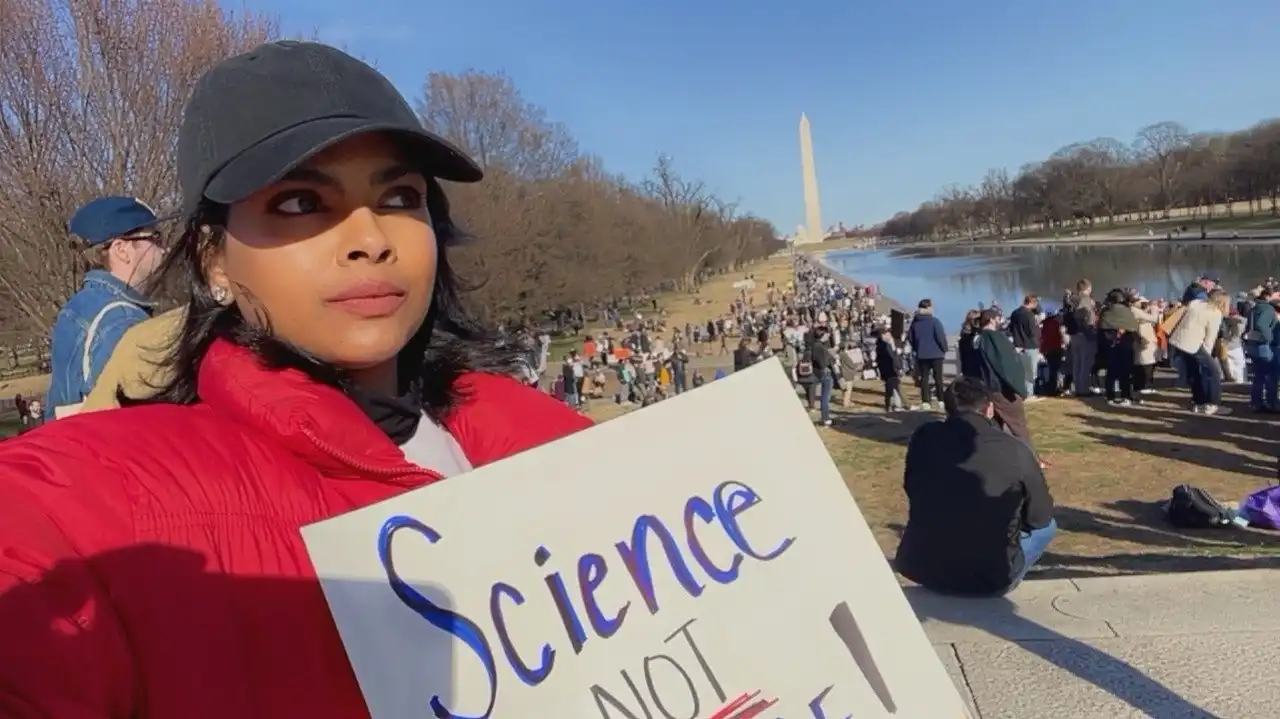
Up until February, Joya Patel was an employee of the U.S. Department of Health and Human Services. Becoming a civil servant again would be no easy task right now.
Trump’s pick to head the Bureau of Labor Statistics has suggested pausing the report, a proposal that investors, companies, and policymakers would not be fond of.
Over the past five years, nuclear power has experienced a renaissance in public and political support. The formerly controversial energy source has seen cultural moments on TikTok, ESPN College Gameday, and even in the White House.
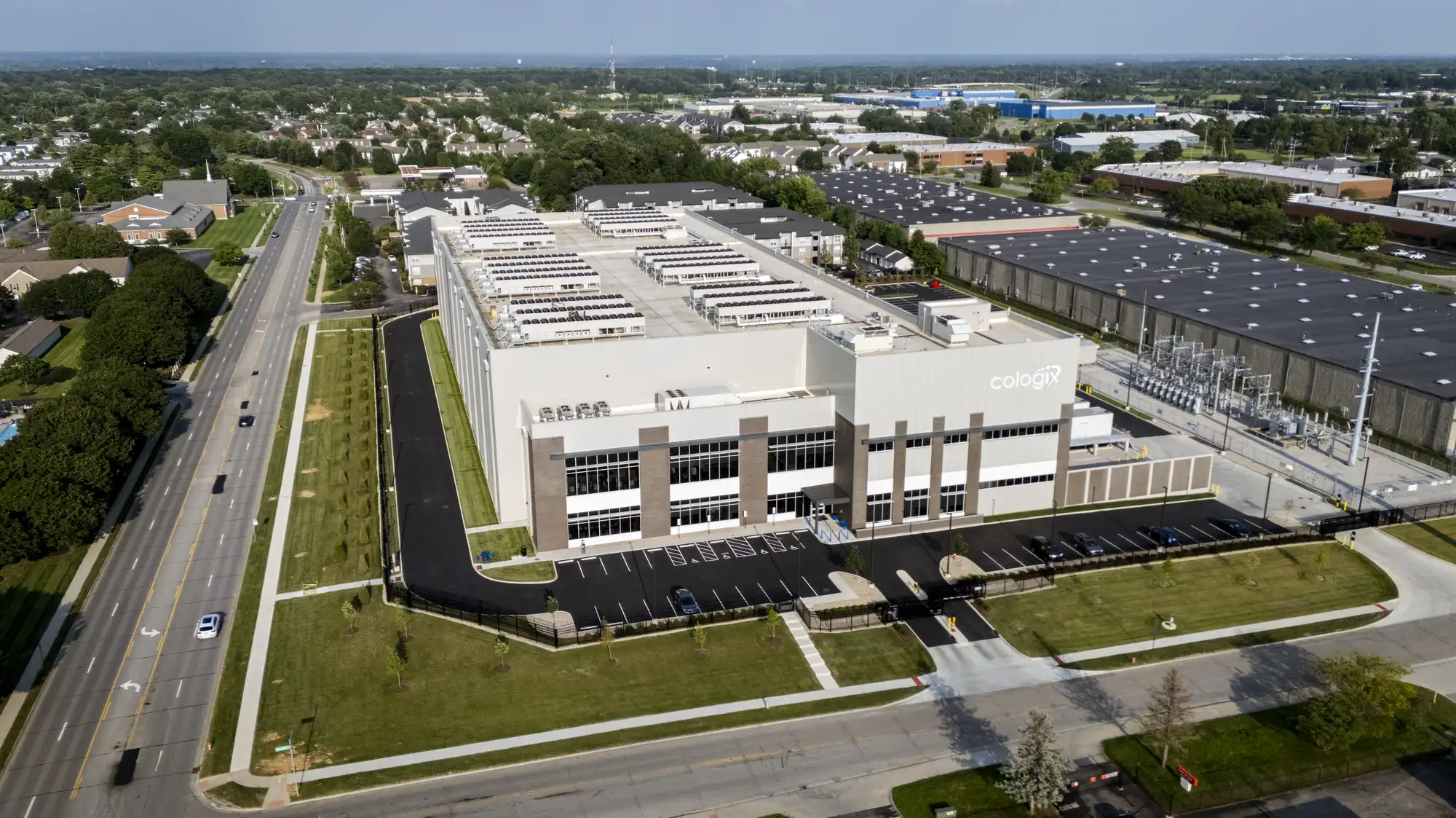
The U.S. economy grew faster than expected in the second quarter. We take a closer look at what's driving those GDP numbers. Plus, the AI data center boom.
Even as federal support for EVs wanes, big companies, including major automakers and retailers, are building networks of fast chargers, often accompanied by amenities.
USC’s Andrea Belz walks through a new study that highlights a gap in the number of students majoring in disciplines required for advanced chip-making jobs.
Cristiano Lima-Strong, assistant editor at the news site Tech Policy Press, says Silicon Valley leaders want the bloc to weaken its Digital Services Act, which penalizes internet companies for not curbing online illegal content.
During the pandemic, mothers saw a dramatic increase in workforce participation levels. however, since the beginning of 2025, those levels have seen continuous declines eliminating their pandemic gains.
Consumer confidence slipped in August, driven by worries about available jobs and future incomes. But a dip in confidence doesn't always mean people spend less.
Evergrande was the symbol of the excess of China’s property market. On Monday, its shares were delisted from Hong Kong’s stock exchange, leaving creditors in limbo.
Thomas Simonetti for The Washington Post via Getty Images
Over the last few years, FEMA’s BRIC program has awarded $4.5 billion worth of grants intended to help communities prepare for future disasters. But with the Trump administration eying the program for cuts, what happens if that money goes away?
Trump's latest move to oust Lisa Cook is part of his months-long effort to reshape the central bank. But meddling with Fed independence could backfire.
If investors lose faith in the Fed, they may start demanding higher yields on long-term bonds. That could lead to an increase in the interest rate for mortgages, government debt and more.
Fed governors can only be fired for cause. “The extent to which there is cause is, at best, dubious,” said Karen Petrou of Federal Financial Analytics.
That's the conclusion of Karen Petrou at Federal Financial Analytics after President Donald Trump moved to fire Federal Reserve Governor Lisa Cook last evening.
As letter volumes plummet, Denmark’s national postal service is phasing out letter delivery in favor of parcel shipments. The BBC’s Adrienne Murray reports on how this decision reflects a broader trend toward digital communication.
Only 9% of golf courses offer caddie services, yet one third of golfers wish their home courses offered it, according to the National Golf Foundation. But caddie services can be a costly expense, so new tech is helping make them par for the course.
President Trump's recent deal with Intel gives the U.S. government a 10% ownership stake in the company. But Intel's latest regulatory filing warns of potential pitfalls.
With September just around the corner, fall fashion is starting to hit the shelves at retailers across the country. They’re trying to balance new tariffs and a value-driven consumer.
Many customers have gotten frustrated with price increases at fast-food restaurants, which means they’re going to casual dining restaurants like Chili’s. McDonald’s is trying to lure them back by cutting prices.
Several factors blunting the impact of tariffs could make it harder to notice the import taxes’ impact on inflation, even though they will likely cause the economy to slow.
Higher education institutions like Clark University are rethinking how they operate as enrollment slips, costs climb, and politics threaten international students, research funding, and financial aid.
A recent study from the Stanford Institute for Human Centered AI found a gap between what current AI tools can do and what workers actually want them to do, according to Erik Brynjolfsson, co-author and director of the Stanford Digital Economy Lab.
In a one-hour, special “Marketplace” broadcast, host Kai Ryssdal explores the way we measure this economy and what’s at stake if those statistics become suspect.