In her new book, “Every Screen on the Planet: The War Over TikTok,” Forbes journalist Emily Baker-White looks at the story of TikTok and the developments that led to a potential deal with the Trump White House.
Steve Schneider, a recently-retired school counselor of almost three decades, tells us about the job landscape amid advances in AI tech in the workplace.
The partial shutdown means two of the most important readouts on the economy will not be released on Friday. It's the newest count of payroll numbers and the separate unemployment rate.
From the BBC World Service: The country’s ruling Liberal Democratic Party will choose a new leader on Saturday, and he or she will become the country's next prime minister.
The author and showrunner behind the hit Amazon Prime series “The Summer I Turned Pretty” talks about her writing process, how she picks the show’s music, and more.
The Department of Energy said the U.S. is taking a 5% equity ownership in Lithium Americas, a company that’s working to open up one of the world’s largest lithium mines at Thacker Pass in Nevada.
Hiring has slowed, and it's taking longer for jobseekers to find work. And where there are people with anxiety and fear, there are scammers to prey on them.
From the BBC World Service: Some European Union countries have backed plans for the new defense system to keep out unmanned aircraft from Russia. But how will it work, and what's the price tag?
Queenie Wong, tech reporter at the Los Angeles Times, says venture capitalists and Silicon Valley tech leaders have shied away from partnering with defense tech companies in the past, but now geopolitical tensions have greenlit such investments.
That pesky government shutdown will complicate monetary-decision making, says Chicago Fed president Austan Goolsbee. Plus: food dyes, fiscal years, and funding for small businesses.
People will still receive important benefits, like Social Security, and still be able to book flights, but some services may be limited or only available temporarily.
Walmart says 90% of products from in-store brands are already free of these additives. But even a 10% change for a retailer as massive as Walmart can have a big effect on the industry
The payroll processing firm found in its latest National Employment Report that the labor market just keeps going downhill, with most of the job losses hitting small and medium-sized business the hardest.
“Marketplace” host Kai Ryssdal spoke with Austan Goolsbee, president and CEO of the Federal Reserve Bank of Chicago, about Fed independence, what the government shutdown means for federal data, and inflation risks.
Hundreds of thousands will be furloughed, and the Trump administration is threatening to fire others. Plus, a conversation with the head of the Federal Reserve Bank of Boston.
From the BBC World Service: Eighteen sunscreen products have been pulled from shelves in the country over safety concerns. And China launches a new program to attract foreign talent.
Jenna Glover, chief clinical officer at the mental health care platform Headspace, says AI companies whose chatbots are used for therapy should involve trained clinical personnel in the therapy process.
The current labor market and a potential shutdown are red flags, yes. But consumer and business spending remain a bright spot. Plus: Agentic shopping, sensory-friendly haircuts, and lumber tariffs.
The Trump administration’s new $100,000 fee on new H-1B visas for foreign workers could be a big problem for universities. Also on the show: the president’s latest tariffs.
The Trump administration announced tariffs on foreign soft timber and wood products, citing national security concerns. Also: what a government shutdown means for the Friday jobs report.
From the BBC World Service: A Chinese national in London has pleaded guilty to illegally acquiring and possessing bitcoin in what's thought to be the world's biggest bitcoin seizure case.
Anne Kim, senior editor at Washington Monthly, joins the show to explore the rise of video admissions essays and the growing cottage industry built to support them.
After decades of being on the back burner of energy policy, investments in nuclear power are on the rise, spurred on by electricity demands from big tech and changing federal policy.
The U.S. Department of Agriculture has revived one farm to school grant program after canceling it earlier this year, and a pair of bipartisan bills making their way through Congress aim to restore funding for the Local Food For Schools program. But the cancellations have been a big disruption for ag producers.
The Federal Reserve just cut interest rates by a quarter of a percentage point. While that should affect rates throughout the economy, some lenders report that not much has changed.
Amy Scott and Kai Ryssdal are joined by Pulitzer Prize-winning science writer Elizabeth Kolbert to discuss how the climate crisis will impact our daily lives, and how true solutions may be at odds with how our economy functions.
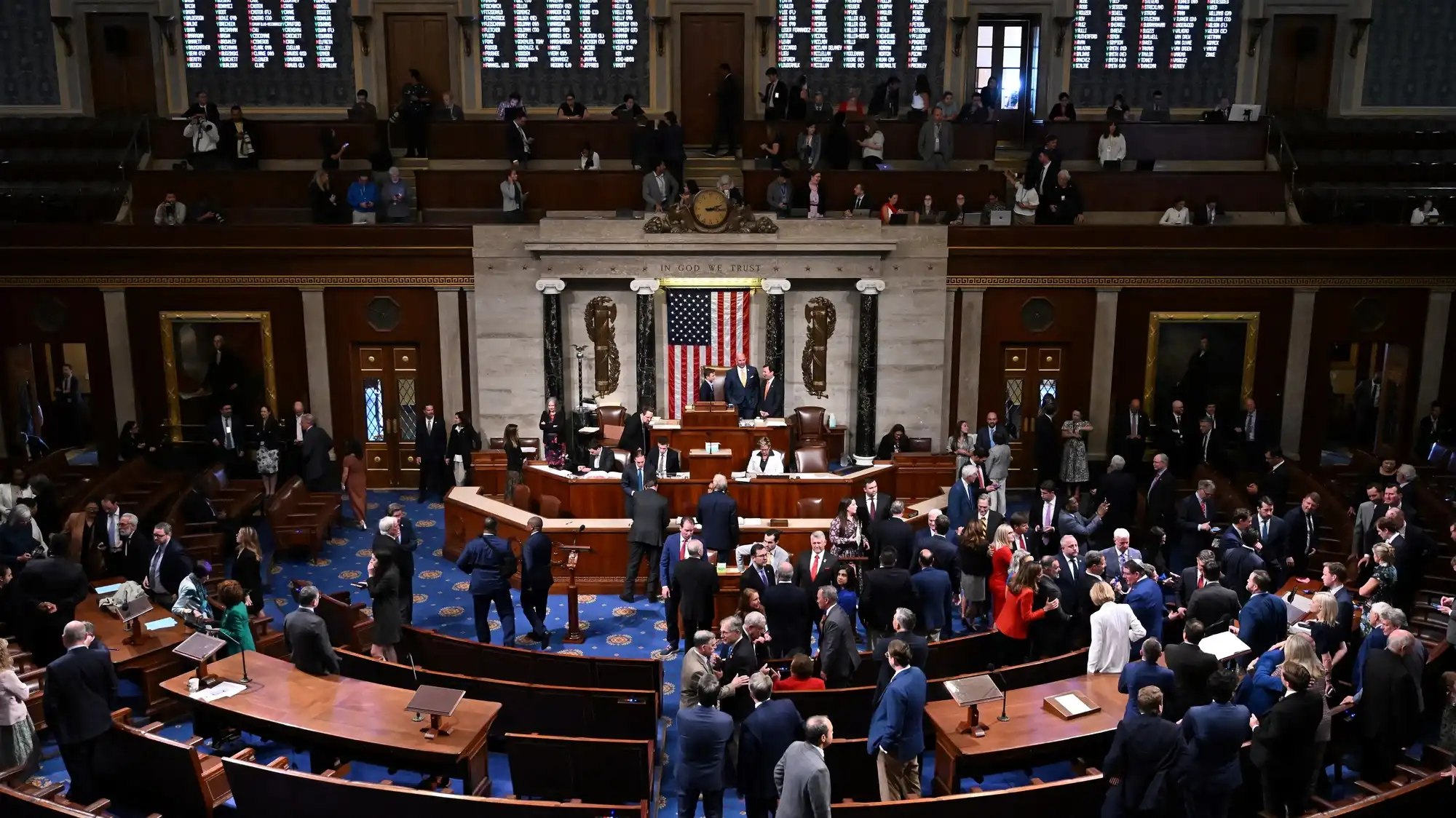
President Trump and congressional leaders are meeting at the White House to try and avoid a government shutdown. But both sides are digging their heels in. Plus, has Canada lost its trade dispute with the U.S.?
In the latest Dallas Fed survey, energy firms reported lower production, increased costs and heightened uncertainty. Also: the USDA revives its farm-to-school grant program.