Today, we’ll visit a college outside of Baltimore that offers retirees the benefits of campus life. Also: strong growth at a Michigan small business and low credit appetite among consumers.
Six-figure operator jobs at Gulf Coast chemical plants require certain mechanical skills that have fallen out of vogue in an increasingly digital world.
There's a lot of pent-up demand for new homes, but homebuilders are facing a combination of high interest rates, labor shortages and tariffs on construction materials.
New analysis by S&P Global Commodity Insights shows U.S. natural gas companies are catching up to oil companies in their valuations amid demand growth from AI and foreign importers of liquefied natural gas.
A weaker U.S. dollar means American companies can sell their goods at more competitive prices overseas. But it also threatens that reserve currency status.
From the BBC World Service: Beijing announced a 90-day pause of tariff measures that banned dozens of American companies from trading with Chinese firms.
Jonathan O’Callaghan, who reports on astronomy and space exploration, covered the recent push to develop in-space manufacturing. He says the unique physics of microgravity could lead to major scientific breakthroughs.
“Even though I only live, like, 35 minutes away from the city, or 45 minutes by metro, it’s just a little inconvenient for people,” said William Craver in Herndon, Virginia.
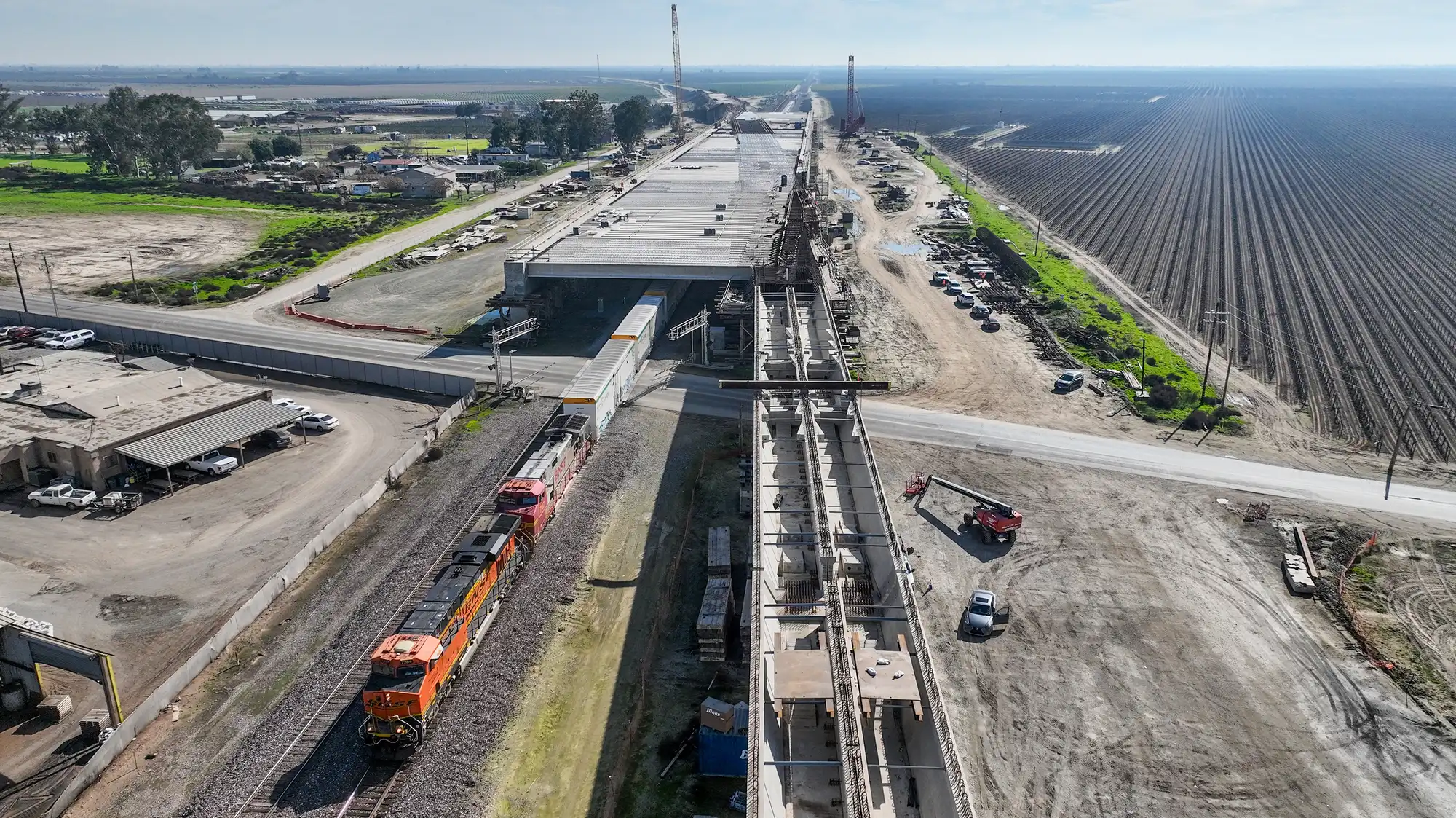
Historically, the bond market is eager to buy up U.S. Treasury bonds. But this isn’t a typical economic moment. Plus, high-speed rail and the importance of location for a first-time homebuyers.
Kraft Heinz just announced plans to invest $3 billion in its U.S. plants. But companies that make clothes and toys, which have low margins and are difficult to produce with robots, will have a harder time relocating.
Hungry for lower prices, shoppers are reaching for generic brand goods. “The quality of the food is good, and it tastes good,” says The Atlantic’s Ellen Cushing.
A bill passed by the Texas Senate asks solar and wind plants to pay for additional power generation for when the sun doesn't shine or the wind doesn't blow.
California regulators are allowing State Farm to charge more following this year's LA wildfires. Consumers in other states are also grappling with higher premiums.
From the BBC World Service: It’s only day 2 of President Donald Trump’s tour of the Middle East, and the trip has already resulted in billions of dollars in Saudi investment.
Alex Hanna and Emily Bender, coauthors of "The AI Con: How to Fight Big Tech's Hype and Create the Future We Want," say current AI systems aren't democratizing creativity and labor, but rather cheapening it, while also preventing consumers from owning the data collected on them.
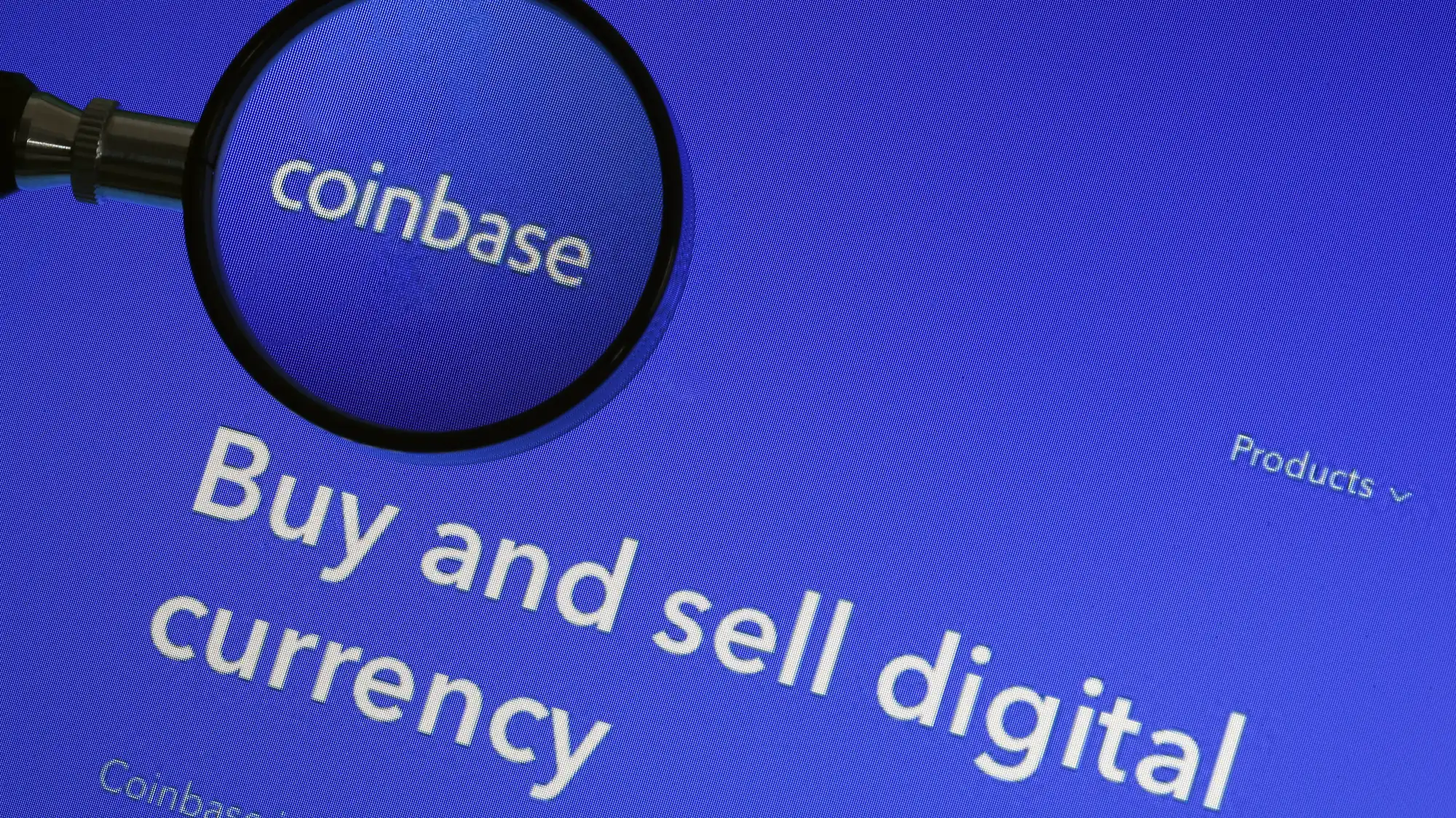
Retailers are more likely to bump up prices by a large chunk down the line than inch them up month to month. Plus, Coinbase joins the S&P 500 and retailers report on their economic realities.
Everyone from manufacturers to retailers are scrambling to take advantage of this trade war truce, but some businesses are still putting future plans on hold
The company is the first of its kind to join the landmark index. Cryptocurrency skeptics and fans alike say that gives the virtual tender a stamp of legitimacy, but can’t agree if it’s warranted.
The Trump administration reportedly plans to cut the program, just as electricity demand is rising in the United States due to the rise in data centers and AI.
From the BBC World Service: Japanese carmaker Nissan will cut 20,000 jobs globally as it struggles with falling sales in China and heavy price discounts in the U.S.
Laura Chambers, CEO of the Mozilla Corporation, which makes the Firefox browser, says the Department of Justice’s proposed remedies in the Google search antitrust trial would only hurt independent browser companies.
For the next 90 days, the two countries will temporarily ease tariffs on each other’s goods. But what does that mean for the broader economy and the damage already done?
The U.S. and China have agreed to temporarily rollback on some tariffs. Adam Posen, president of the Peterson Institute for International Economics, puts today’s deal into context.
“What these factory owners are making is a point that, even with the tariff, it is still going to be drastically cheaper than when you’re buying from the brand directly,” said Caiwei Chen, a China reporter for MIT Technology Review.
In a new survey, tribal leaders talked about federal grants that support vital services getting frozen, layoffs at agencies they work closely with and more.
Amy Webb, founder and CEO of the Future Today Strategy Group, explains why more people have retreated into their own private, digital spaces instead of having open conversations on social media.