We give a preview of the employment data out next week. Plus, Evan Osnos discusses his new book, “The Haves and Have-Yachts: Dispatches on the Ultrarich.”
Despite the sport’s European bosses investing big money in pre-match entertainment, and plans for a half-time show at the next World Cup, it’s not certain that huge shows are something fans even want.
Many travelers are opting to stay closer to home. And households earning $100,000 or more are forecast to make up about half of this summer’s travelers, according to analysis by Deloitte.
Just 65% of parents with kids under 18 say they’re, “doing OK financially or living comfortably,” according to a recent Federal Reserve survey. That’s down 10 percentage points since 2021.
From the BBC World Service: China will lift its ban on Japanese fish, almost two years after it blocked imports over the release of treated wastewater from the Fukushima nuclear plant.
If the U.S. government takes on significantly more debt, mortgage rates and other borrowing costs will go up too. Plus, content creator production studios, orphan oil wells and tariff check-ins with a few small businesses.
YouTube is the dominant player in entertainment right now, says Alex Weprin at The Hollywood reporter, and more people are watching YouTube than Netflix or Disney.
Presidents have other tariff powers, using legal strategies with stronger track records. Also on the show, why more women are opting for single motherhood over the challenges of dating.
As the challenges of finding the right partner grow, more women in their late 30s to mid-40s are choosing to become single moms via fertility treatments — despite the hefty costs.
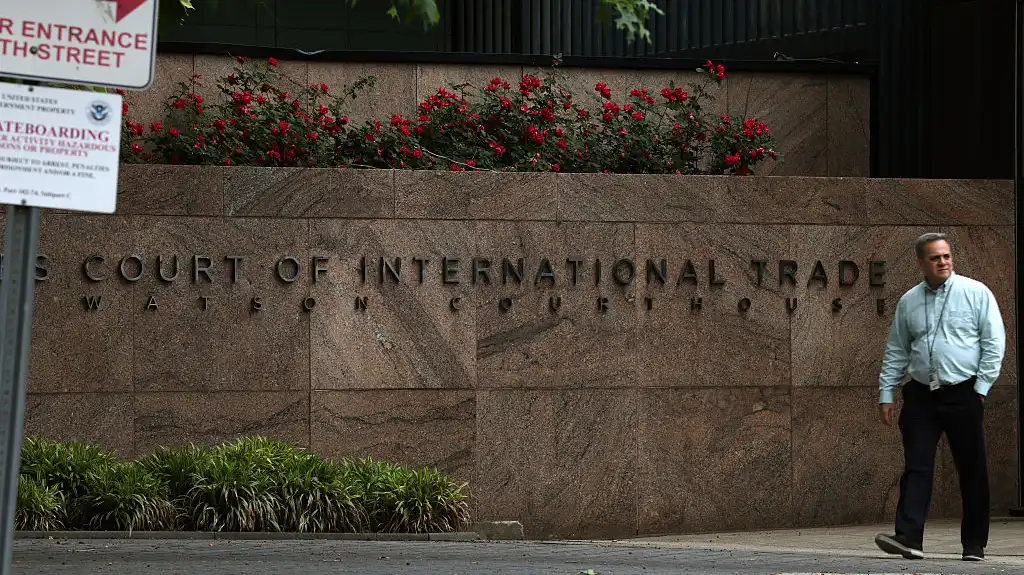
The ruling blocks many – but not all – of the tariffs Trump has imposed in the last few months. But for businesses and consumers, the uncertainty continues.
Colin Lecher, reporter at The Markup, says the city's Administration for Children's Services uses a family's neighborhood, mental and physical health history, and whether a family has had previous reports to flag them and scrutinize them.
Leslie Morgenstein, president of Alloy Entertainment, is responsible for more than 900 hours of TV, including the CW series “Gossip Girl” and the Netflix series “You.”
Dick’s Sporting Goods is standing by its forecast for the year, despite everything happening with economic policy. It joins a small group of retailers that are worried, but not too worried.
Nvidia makes GPUs while other major chip manufacturers make CPUs, which power laptops and phones. But it's only a matter of time before the company attracts serious rivals.
“For as stressful as it was financially and physically and just emotionally, it was worth it,” said Kirsten Roehler of her solo homebuying experience in Bailey, Colorado.
The pledges corporations made in 2020 to do more to support Black communities included a flood of pledges to and new investments in Historically Black Colleges and Universities.
The Trump administration reversed course last week and allowed a $5 billion offshore wind project to proceed, but the industry still faces a difficult political environment.
Bitcoin 2025 — billed as the world’s largest crypto event — kicked off in Las Vegas. Speakers include Vice President JD Vance and the White House’s AI and Crypto Czar, David Sacks.
From the BBC World Service: The declaration comes after U.S. banana giant Chiquita Brands laid off about 5,000 workers following a strike that had stopped production.
Researchers at the University of Zurich stirred up controversy when they revealed they conducted a study on whether AI-generated comments could influence people’s opinions on the Reddit forum r/changemyview — without gathering informed consent from users. Northwestern University School of Medicine Professor Mohammad Hosseini explains how this one case lays out several ethical issues with the use of AI in research.
After a collective downward spiral in April, American consumers are feeling a bit sunnier on the future of the economy. Plus: durable goods, bond yields, “maturing” craft breweries and personal data tracking device paranoia.
Houston is one of the cheaper major metro real estate markets in the country. But homeownership there comes with expensive baggage, like high winds, flooding and power outages.
One reason for the decline is that companies stockpiled goods in March trying to get ahead of tariffs, and are now pulling back. But it also could signal tough times ahead for the U.S. economy.
Keeping a job is one thing, but changing jobs becomes harder as you get older. And nearly a quarter of workers aged 50 and over plan to look for a new job this year.
The tariff delay gives both sides more time to negotiate, though details remain unclear. Plus: the proposed $3 billion funding boost for one U.S. foreign aid group.
Business Insider’s Alistair Barr explains how Big Tech companies are turning away from the perks that defined Silicon Valley work culture a decade ago, to strict performance reviews.
Consumers haven’t felt great about the economy’s future so far this year. As trade tensions ease, will that change? Plus, financial therapy, online travel agents and the Ground Round returns.
Online travel agents are to analog travel agents what Amazon is to department stores: you can get similar stuff, but the former leverages technology to scale up.
The decline in RSV-related hospitalizations among babies is a win for both families and taxpayers. Also on the show: tackling credit card debt before retirement.
From the BBC World Service: European Commission President Ursula von der Leyen has agreed on plans with the U.S. to delay proposed 50% tariffs on the EU and extend trade negotiations until July.
Digital banking is often seen as a smoother, less costly way to deliver financial services. But where there’s tech, there are sometimes outages. Bank customers in the U.K. and other countries have seen an increasing number of banking interruptions, often with costly impacts.