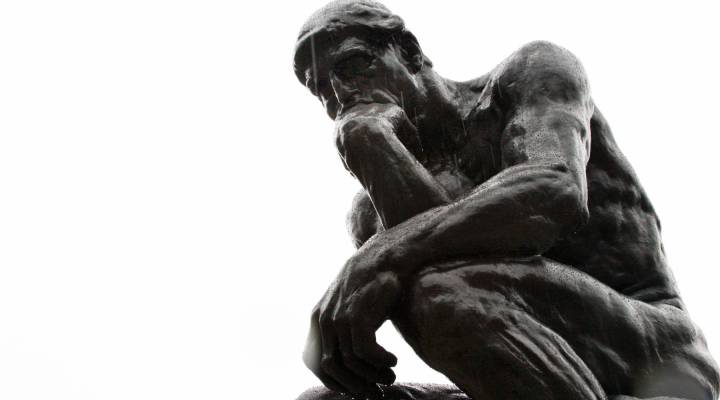
Putting your mind to it: The willpower instinct
Share Now on:
Putting your mind to it: The willpower instinct


From losing weight to saving for retirement, willpower is the key to taking control of our lives. So says Kelly McGonigal, a health psychologist from Stanford University who’s just written “The Willpower Instict,” chronicling the science and practice of self control.
“Part of us kind of wants to want,” she tells Tess. “We go to the mall, or we’re searching online, and we like that feeling of wanting. It makes us feel optimistic.”
According to McGonigal’s “Terror Management Theory,” we feel more powerful when we buy status goods (handbags, cars, etc.) even if we can’t afford them. But, she says, paying attention to how spending makes us feel can give us a tool to managing our need for a short-term win that could really be a long-term loss.
Click on the audio player above to listen to the interview.
Stories You Might Like


There’s a lot happening in the world. Through it all, Marketplace is here for you.
You rely on Marketplace to break down the world’s events and tell you how it affects you in a fact-based, approachable way. We rely on your financial support to keep making that possible.
Your donation today powers the independent journalism that you rely on. For just $5/month, you can help sustain Marketplace so we can keep reporting on the things that matter to you.