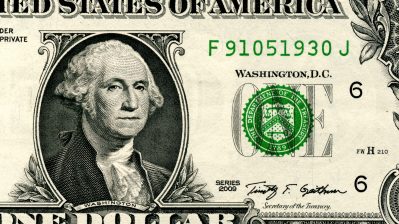
Do ethical credit cards exist?


TEXT OF STORY
Bob Moon: Okay, so we heard earlier from consumers about their not-so-fond feelings for credit card companies.
Of course, they’re not all bad. In the U.S. some banks have tried to play “good guy” with credit cards that deposit a small percent of your spending into a retirement or savings account for you. In Italy, one bank has a new product that it hopes will lend it some much-needed positive spin. It’s got a, well, very “ethical”-sounding name, and it’s making some charities happy. But as Megan Williams reports from Rome, there’s also an air of cheap publicity.
Megan Williams: At the historic Palazzo Venezia in downtown Rome, a high-end fundraiser is in full swing. The event is to raise awareness of the lack of official birth registration for more than 50 million kids born in Africa each year. Without birth certificates, the children are at greater risk of disappearing into slavery and exploitation.
The Italian organization St. Egidio heads up the campaign and its main sponsor is Italy’s second-biggest bank, Unicredit. But what makes Unicredit’s support more than a flavour-of-the-month donation, is that its commitment to the campaign is built into one of its products. A credit card.
Frederik Geertman: We call it and ethical credit card. When customer uses it, part of the sum he pays is devoted to charity.
Head of retail marketing for Unicredit, Frederik Geertman, says for every purchase customers make with the card, .3 percent of the total goes toward a cause like registering African kids at birth. A donation the bank makes, not the customer. Unicredit introduced the card a few years ago as a niche product, but it’s now more popular than its mainstay credit card.
GEERTMAN: Well, we basically told the branches stop selling the traditional ones and sell this one. So the vast majority of what we’re selling in now ethical.
That’s good news for Mario Marazitti, spokesperson for the campaign to register kids at birth. He says he prefers the longer-term commitment to one-off donations.
MARIO Marazitti: I think it’s a good proposal for the times of crisis we are in because in my opinion we have to create a structural relationship between the first world and the third world, and not just to leave it to charity.
Last year through its ethical credit card Unicredit raised $2 million. That’s money Marazitti is happy to tap into.
But as critics point out, “ethical” is a big word for a credit card that donates such a tiny percentage of its profit to charity. An amount that’s also a drop in the bucket compared to, say, bank executives bonuses. Unicredit’s Frederick Geertman agrees.
GEERTMAN: That’s true. Many people make more than that. On the other hand, it’s not a good reason not to do something.
Nor, say skeptics, is it a good reason not to do more.
In Rome, I’m Megan Williams for Marketplace Money.
Stories You Might Like



There’s a lot happening in the world. Through it all, Marketplace is here for you.
You rely on Marketplace to break down the world’s events and tell you how it affects you in a fact-based, approachable way. We rely on your financial support to keep making that possible.
Your donation today powers the independent journalism that you rely on. For just $5/month, you can help sustain Marketplace so we can keep reporting on the things that matter to you.