
Will there be another banking crisis?


TEXT OF INTERVIEW
Kai Ryssdal: Bearing in mind the warning that correlation is not causality, the following things have happened in the past 24 hours. Item one: The attorneys general of all 50 states launched an investigation into the mortgage industry and the foreclosure paper trail. Item two: We learned this morning the past three months have seen the most foreclosures since real estate went bust four years ago. And item three: And at the close in New York today, bank stocks were by far the big losers.
We’ve got Marketplace’s Jeremy Hobson on the line for some questions and some answers about all of the above. Hey Jeremy.
Jeremy Hobson: Hi Kai.
Ryssdal: So Jeremy, these foreclosure numbers we got today, not at all a surprise, and yet, people are worried about banks. What’s going on?
Hobson: Well, the issue is people are wondering about the validity of the documents. You mentioned the issue of documentation between the home owner and the lender, that everybody’s questioning that now. But remember, the banks took these mortgages, packaged them up into securities and sold them off to hedge funds and pension funds. They were supposed to follow a very specific protocol, and it turns out that they may not have done that. Which means, perhaps they didn’t actually sell these mortgages off and maybe they still own the mortgages. Now, a lot of bank analysts are looking at that and saying, well, if that’s the case, then these banks are in a lot worse shape than we thought they were.
I spoke with Josh Rosner who’s the managing director at Graham Fisher. He thinks we actually could be in a state of banking industry panic as we were in 2008.
Josh Rosner: The risk would be that the investors didn’t own something that they were led to believe and thought they did own. And remember the problem that we saw in 2008 had less to do with the actual mortgages defaulting than it had to do with uncertainty causing investors to panic and flee the market.
Hobson: And Kai, while no one would describe what happened today in the market as a state of panic, the bank stocks did take quite a beating.
Ryssdal: What we’re talking about here Jeremy, just to remind folks, are these mortgage-backed securities, the toxic assets from two-and-a-half, three years ago? That said, are people really worried about panic?
Hobson: Well, there are a lot of people online and in the blogosphere who are bringing up the question of whether we’re in another financial crisis like we were a couple years ago, but not everyone is. I spoke with banking consultant Bert Ely. He told me that reports of the death of the banking system have been greatly exaggerated.
Bert Ely: You may see money, shall we say, shuffled around among the players, as a result of lawsuit settlements and court judgements. But that’s all money that’s going to, shall we say, stay within the financial system.
Hobson: Kai, he says, remember that these banks and hedge funds and pension funds do have to do business with each other, right now and in the future. So, they’re not going to make a big deal out of a missing document, when it’s clear that the mortgage was in fact transferred from one party to another, or at least they’re not going to do so to the extent that it’s going to pose a risk to any major financial institution.
Ryssdal: Yeah, OK, so here’s where I get to turn the tables: You bring tape to an interview, I bring tape to an interview. You ready? Alright, so we’re going to roll this piece of tape. Let’s hit it:
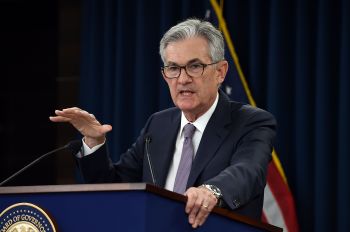
Ben Bernanke: At this juncture, however, the impact on the broader economy and financial markets of the problems of the subprime market seems likely to be contained.
Ryssdal: Obviously, Ben Bernanke, the chairman of the Federal Reserve. Care to hazard a guess, Mr. Hobson, as to when he said that?
Hobson: Uh… I’m going to guess that he probably said that before it turned out the system was not contained.
Ryssdal: There you go. That’s right. So March 2007 was when he said that the point being he didn’t know then, and we, perhaps, don’t know now what this foreclosure mess might bring, right?
Hobson: That is a possibility, Kai. But I’ll remind you of this: Remember after 9/11 and after the anthrax attacks that every time there was a little pile of chalk dust on the floor that everybody thought there was another anthrax attack going on. I think we’re still very close to the memory of the financial crisis, and we look at the banking system today and the mortgage system today, and we say, “This is so complex, that we maybe in fact this little problem of documentation could ripple across the whole system and it turns out that every single mortgage is invalid.” Well, that’s a possibility, but a lot of people I spoke with said it’s not likely, and is probably not going to bring down the entire financial system.
Ryssdal: Jeremy Hobson from the Marketplace bureau in New York on the ever-increasing mortgage scandal. Jeremy, thanks a lot.
Hobson: You’re welcome.
Stories You Might Like




There’s a lot happening in the world. Through it all, Marketplace is here for you.
You rely on Marketplace to break down the world’s events and tell you how it affects you in a fact-based, approachable way. We rely on your financial support to keep making that possible.
Your donation today powers the independent journalism that you rely on. For just $5/month, you can help sustain Marketplace so we can keep reporting on the things that matter to you.









