
Did you use that gift card or rebate?


TEXT OF COMMENTARY
Kai Ryssdal: Here we are in the second week of August, which means the first day of school will soon be upon us. For the nation’s retailers, it can’t come soon enough. Most of them posted weaker than expected July sales this morning. High gas prices get part of the blame. Also, sluggish sales of traditional back to school items. Parents procrastinating before shelling out for new clothes and supplies.
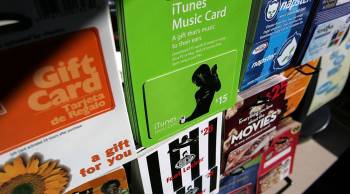
Of course, retailers are trying everything to get us into stores, including gift cards and rebates. Commentator Ian Ayres points out retailers are banking on that aforementioned habit: Procrastination.
Ian Ayres: My kids’ school has repeatedly hit us up to buy Stop N’ Shop gift cards to pay for our groceries. For every $100 card we buy, Stop N’ Shop gives the school five bucks.
It sounds like a great deal. But nobody tells you the proportion of Stop N’ Shop cards that people forget to redeem. I bet it’s a lot more than 5 percent.
When Tivo offered 100,000 new subscribers a $100 rebate in 2005, nearly half of them failed to mail in the rebate. Bam, that’s an extra $5 million in profits. The rates of redemption are often below 70 percent.
Sellers make you clip, copy and mail rebates because they want you to screw up. That means more than 30 percent of the time, the retailer gets to keep the money.
So while my school’s gift cards seem to raise money without costing parents anything, I view the fundraiser as bordering on the immoral. The school doesn’t disclose the real risk. But this fundraiser is costing parents real money — and they don’t even get to claim a charitable deduction.
What’s behind all this? Firms are just taking advantage of the fact that consumers underestimate the chance that they’ll fail to use the gift card or send in the rebate.
The next time someone hits you up for a gift card, you should ask them what proportion of people actually cash in the card. Or ask the computer salesman what the redemption rate is on the mail-in rebate. If sellers disclosed redemption rates, then consumers could decide whether it’s worth the risk.
Better yet, if a seller has legitimate reasons for offering a manufacturer’s rebate, it should be willing to donate any unclaimed gift cards or rebates to charity. Maybe even my kids’ school.
Ryssdal: Ian Ayres teaches law at Yale Law School and Yale School of Management.
Stories You Might Like



There’s a lot happening in the world. Through it all, Marketplace is here for you.
You rely on Marketplace to break down the world’s events and tell you how it affects you in a fact-based, approachable way. We rely on your financial support to keep making that possible.
Your donation today powers the independent journalism that you rely on. For just $5/month, you can help sustain Marketplace so we can keep reporting on the things that matter to you.









