


Why is canned sockeye salmon getting more expensive?
Following the COVID-19 pandemic, one of our readers observed that prices for the canned good rose in price or disappeared from store shelves altogether.
This is just one of the stories from our “I’ve Always Wondered” series, where we tackle all of your questions about the world of business, no matter how big or small. Ever wondered if recycling is worth it? Or how store brands stack up against name brands? Check out more from the series here.
David Sears, a fan of sockeye salmon, wanted to know why cans of the red fish have gotten more expensive and fewer stores are carrying it. He asked:
Did Covid obliterate Bristol Bay production? Has the industry turned to focusing on markets for whole and filleted salmon? Has canned red salmon's fanbase — traditionally older people — died off? Have generations-old global markets forsaken the recipes of their elders, now favoring chunk tuna in water?
Tinned sardines and canned tuna may reign supreme in America, but canned sockeye has devotees like David Sears, who’s loved the stuff ever since he left Alaska in ‘82 and couldn’t catch the famed fish himself.
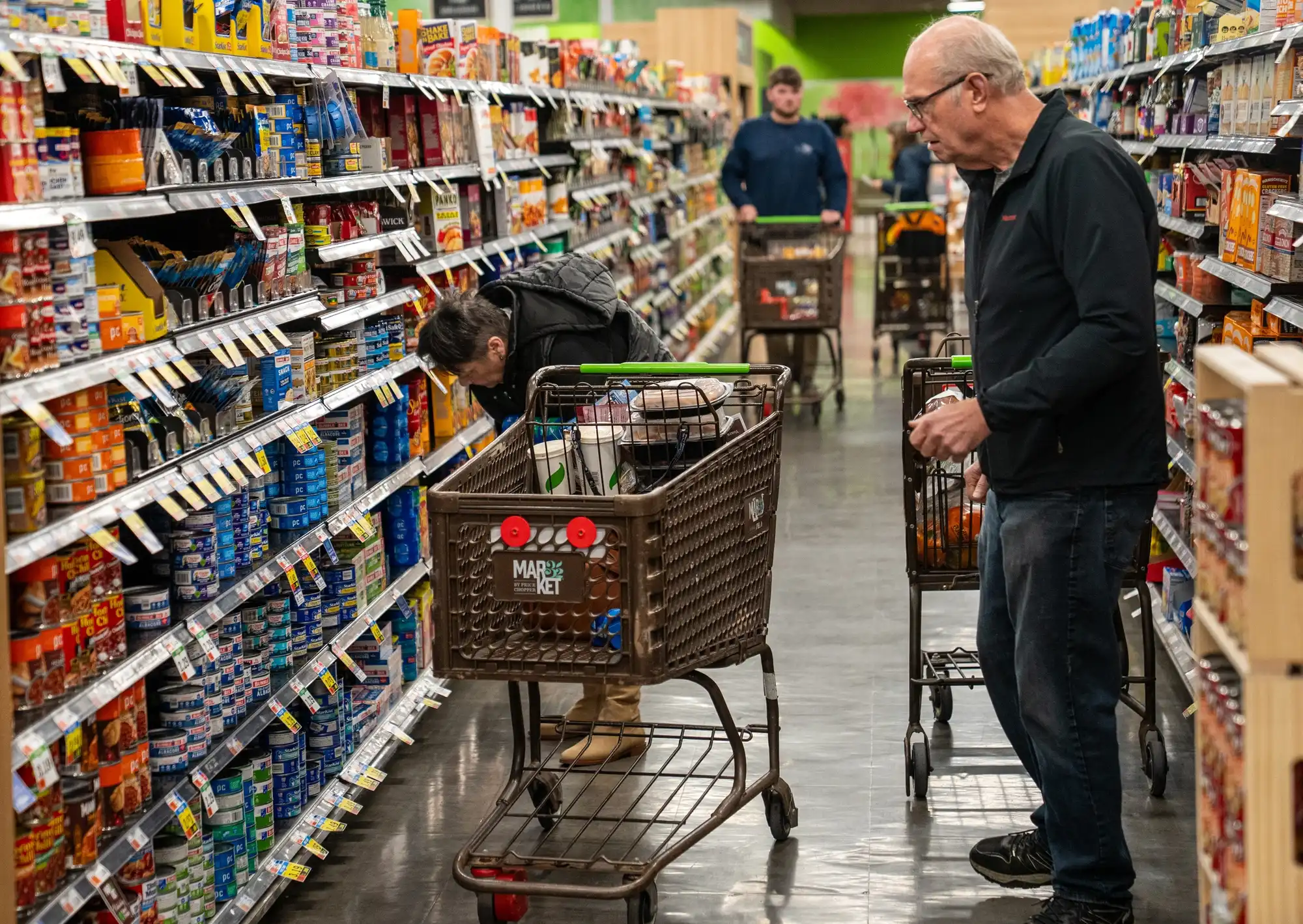
But in recent years, David has noticed that cans of the bright red fish have gone up by a few bucks.
About five years ago, a can of sockeye salmon around 7 ounces cost between $4 to $6 at retailers. Now, it costs about $6 to $10, said Lilani Dunn, the executive director of the Bristol Bay Regional Seafood Development Association, an organization that represents fishermen in the Alaskan region.
Like many other industries, canned sockeye salmon companies have had to deal with inflation since the COVID-19 crisis began. They’ve faced rising costs for materials and transportation, along with labor shortages, Dunn said. There was also a spike in demand as people loaded up on shelf-stable goods during the pandemic, she said.
But canned salmon production has actually been on the decline for more than a decade. In 2010, nearly 32 million pounds of canned sockeye were produced. By 2023, it had declined to under 17 million, according to data provided by Quentin Fong, a seafood marketing specialist with the Alaska Sea Grant Marine Advisory Program at the University of Alaska Fairbanks.
Not only has canning sockeye gotten more expensive since the 2010s, but other sockeye products have gained more traction.
“You've got labor, fuel and material costs gradually getting more expensive. At the same time, freezing technology was improving, and the global demand for fresh and frozen started to increase,” Dunn said.
Canned sockeye production takes place entirely in Alaska. “For companies that are producing the can product, they have whole fish that's delivered to them by independent fishermen in Alaska in Bristol Bay,” Dunn said. The companies have to pay the fishermen a fair price and then they have to pay for the canning process, Dunn said.
Processors get better margins by freezing the salmon and making it available as filets, Dunn explained. While freezing filets has gotten more efficient, the canning process “hasn’t seen as much modernization,” Dunn said.
The quality of frozen filets has "vastly improved," Dunn said. People are now realizing fish that's been frozen at its peak freshness is almost as good as fresh, Dunn noted.
About 10 years ago, 20% of the sockeye salmon harvest was being canned, and now it's less than 10%, Dunn said.
But even though canned sockeye production has declined, Dunn said she doesn’t see it leaving store shelves. “It truly is one of the best items in a grocery store. It is a pure protein in can form,” Dunn said.
Canned sockeye is “a heritage product of Alaska” that’s been available for more than a century, Dunn said.
“It means a lot to Alaska seafood processors and producers to continue to carry the product,” Dunn said.


Latest Episodes
View All Shows 9 hours ago25:16
 16 hours ago5:54
 21 hours ago8:19
 5 days ago27:11
 7 days ago12:18
 4 months ago24:33