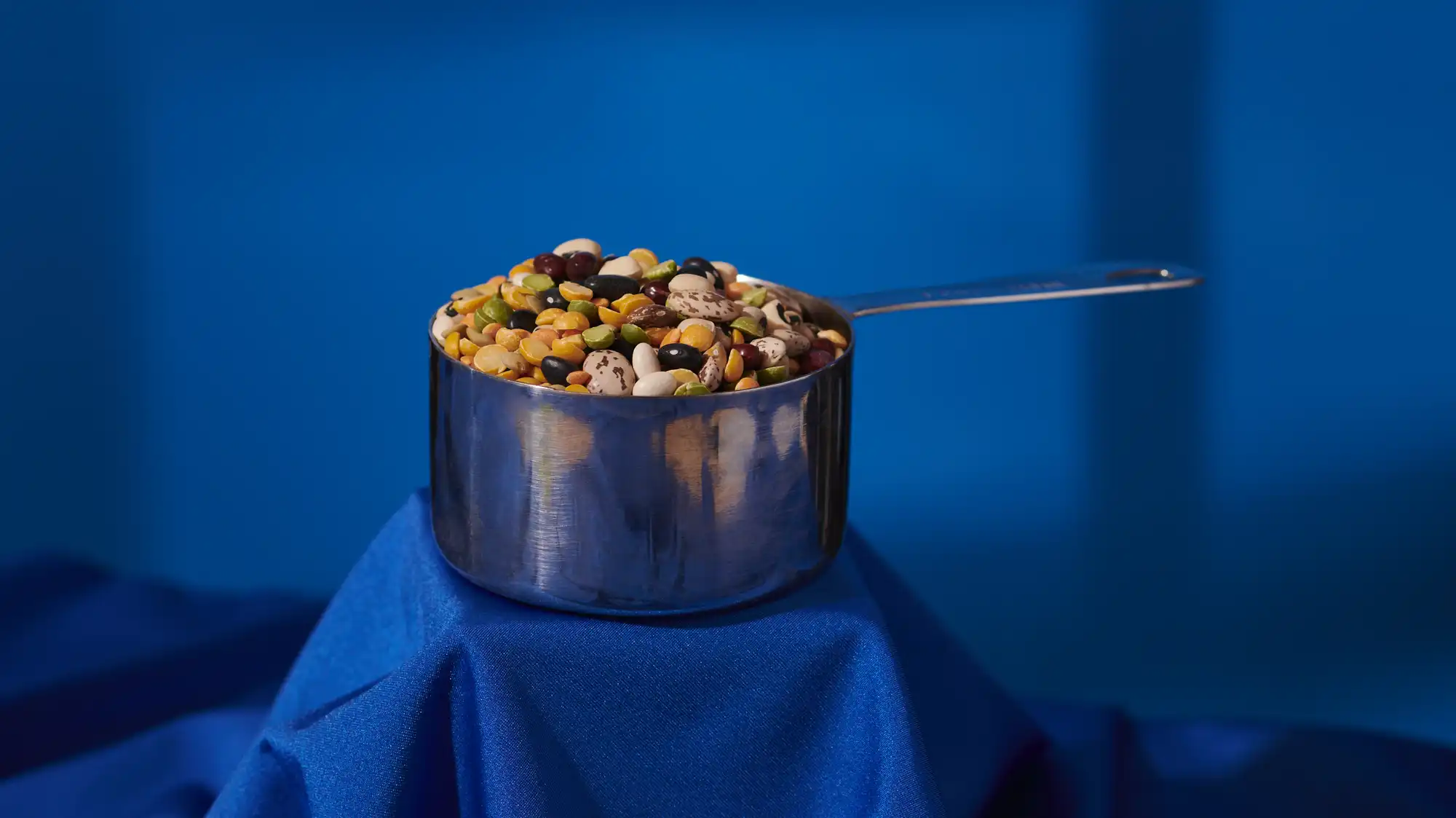
Hungry for lower prices, shoppers are reaching for generic brand goods. “The quality of the food is good, and it tastes good,” says The Atlantic’s Ellen Cushing.
Retailers are more likely to bump up prices by a large chunk down the line than inch them up month to month. Plus, Coinbase joins the S&P 500 and retailers report on their economic realities.
For the next 90 days, the two countries will temporarily ease tariffs on each other’s goods. But what does that mean for the broader economy and the damage already done?
The U.S. and China have agreed to temporarily rollback on some tariffs. Adam Posen, president of the Peterson Institute for International Economics, puts today’s deal into context.
This week, the Federal Reserve opted to leave short-term interest rates alone, despite concerns about the rising risks of a weakening U.S. economy. Plus, why NOAA is retiring its billion-dollar disaster database.
Top officials from both countries will meet in Geneva this week. Plus, a small business owner reopens after Hurricane Helene and one young mom discusses her economic reality.
Oil companies are navigating break-even prices on crude oil. Plus, the global economy can’t quit the U.S. dollar and the U.S. won’t throw out synthetic food dye overnight.
We’ll hear from small business owners and a drayage company about how tariffs are affecting their sectors. Plus, a recap of this week’s economic news with Greg Ip from the Wall Street Journal and Ana Swanson of the New York Times.