


A parasitic fly threatens the Texas cattle industry
The New World screwworm, a parasitic fly, has been eradicated from the U.S. for over 60 years. But in recent months, it has been detected as close as 70 miles from the U.S.-Mexico border.
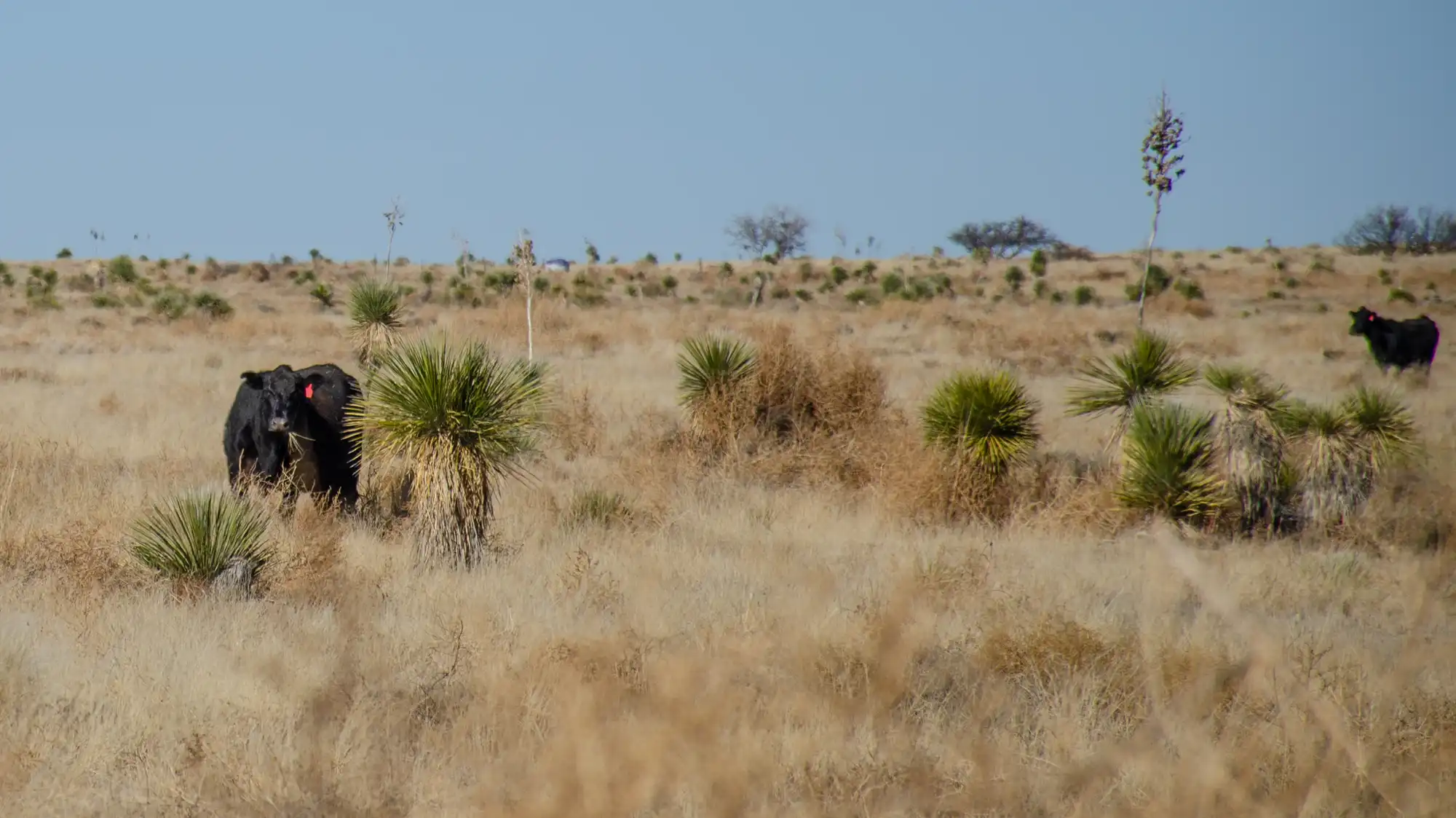
As a kid growing up in Far West Texas, Joe Williams would have to look over the family’s livestock to make sure they weren’t infected with screwworm larvae.
“If you come up on one that has been flystruck, you know it immediately,” said Williams. “You can smell it.”
At the time, the New World screwworm was a common and devastating reality of ranching. The parasite’s named for the way its larvae dig – or screw – into the living flesh of warm-blooded animals, causing nasty, painful lesions.
“It’s putrid, I mean super putrid,” said Williams, who works as a cattle broker these days.
While the days of monitoring livestock and treating them for screwworm have been over for decades now, a possible return is making folks in the cattle industry anxious.
The Department of Agriculture says an outbreak today could deal a $1.8 billion blow to Texas’ economy.
“Worst case scenario: You lose all your cattle,” said Janna Stubbs, who runs a cow-calf operation with her husband just outside of Alpine, Texas. “Absolute worst case scenario: You go out of business, and you can’t afford to get back into the business.”
The Stubbs — like so many other ranchers — have weathered droughts and rising production costs. Now, they’re also thinking about what to do if a screwworm outbreak were to happen.
And for the last year, so is the USDA. The parasite has infected thousands of cattle in Mexico, and in early February, it was detected in a Mexican state bordering Texas. Concern over the parasite spreading even led the U.S. to stop importing cattle and livestock from Mexico. Typically, a million cross every year.

“It by no means is doomsday. I am cautiously optimistic,” said Phillip Kaufman, a professor of entomology at Texas A&M University.
Kaufman is part of the team assembled to figure out the state’s response to the New World screwworm. To eradicate the fly, he said the U.S. is doing what it did back in the ‘60s: engineer sterile male screwworms to mate with females that’ll lay unfertilized eggs that won't hatch.
“The plan eventually is to be producing 500 million sterile flies per week,” said Kaufman. At that production level, the population should ultimately die out and be pushed back south.
The USDA has already opened a new sterile-fly facility in South Texas and plans to open another. Kaufman said it’s the state’s and country’s biggest asset against the screwworm.



Latest Episodes
View All Shows 2 hours ago6:17
 4 hours ago27:55
 4 hours ago4:45
 16 hours ago25:16
 5 days ago27:11
 4 months ago24:33