


Two years later, Marylanders still feel the loss of the Key Bridge
The more than 38,000 drivers who used to cross the Francis Scott Key Bridge every weekday have had to find alternate routes, which can cost time and money.

Longshoreman Dave Couslin likes to work nights at the port of Baltimore. Before he leaves, he checks his car to make sure he’s got all the necessary gear.
“I’ve got rain boots if it rains, regular shoes if it doesn’t rain,” Couslin said. “I’ve got spider spray right there. Raid. Because spiders are starting to come out now.”

The 71-year-old works as a line handler, which means he attaches ropes to cargo ships coming in to dock. Couslin lives in Severn, Maryland, to the south of Baltimore. He used to take the Francis Scott Key Bridge to work. But now that it’s gone, he spends a lot more time in traffic.
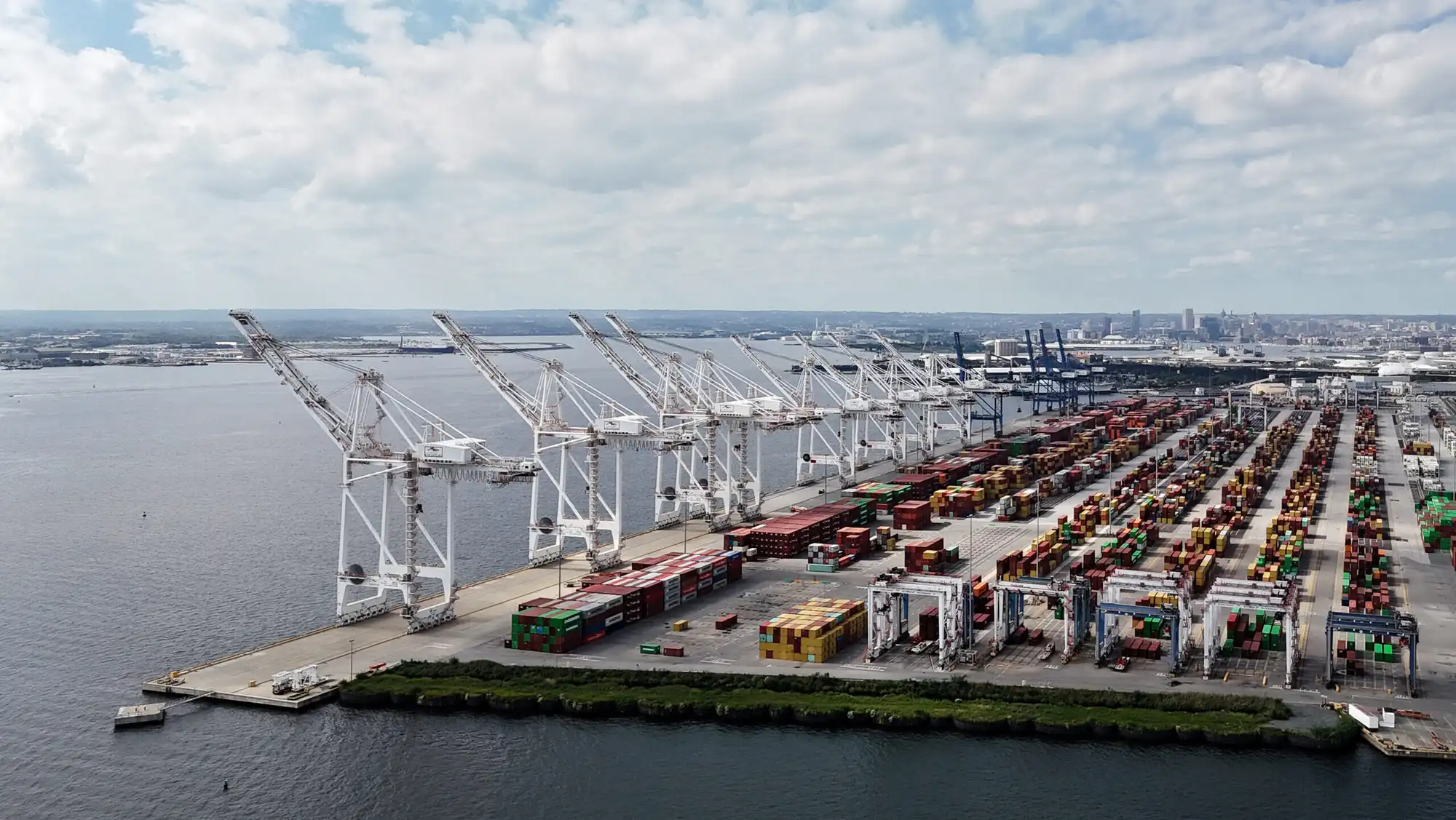
It’s been two years exactly since the Dali, a container ship, hit the Key Bridge in Baltimore, causing it to collapse. When the bridge fell, six construction workers died, Baltimore lost an iconic piece of infrastructure, and the region lost a critical piece of interstate highway. Work on a new bridge is underway, with a goal of having it open to traffic by late 2030. But until then, the more than 38,000 drivers who used to cross the bridge on an average weekday have had to find alternate routes, which can cost time and money.
The loss of the bridge means drivers are collectively spending an extra 21,000 hours of time in traffic every weekday, according to a 2024 analysis by the state.
For longshoreman Dave Couslin, his commute used to be a tight 20 minutes. Now, it can be more than an hour.
“’Course you don't like to be late for work, because if a ship comes in, there's four guys: me and three others to tie it up. And if you're not there, it makes it hard on the three guys,” he said.
Couslin said he’s more likely to turn down a shift now, if he doesn’t feel like dealing with traffic. He’s also spending more on gas, and on food: He used to go home to eat, but now he’s more likely to stay near the port and grab a bite out.
Couslin used to get angry when he hit traffic, but now he’s accustomed to it. “There’s nothing I can do about it. I’ve got to accept it,” he said. “I’ve got to deal with it.”
Maryland Governor Wes Moore said that he knows commuters like Couslin are tired of the traffic.
“He is part of the reason we’re working so hard,” Moore said. “The reason we're down here making sure this bridge can get rebuilt as fast as possible is because I want to shorten his commute.”

But the new bridge is now slated to open two years later than originally planned. And the state also more than doubled the budget, saying it could cost up to $5.2 billion. The federal government is going to cover the cost.
Moore points out that the original timeline and cost estimate were released just days after the collapse, while the state was dealing with an active disaster.
“We literally still had bodies in the water. We were searching to make sure we were bringing closure and comfort to these families that lost people. And a lot of those estimates were based on when that bridge was built,” he said.
Maryland is not rebuilding the Key Bridge of the 1970s. Instead, the state has designed a taller, longer, cable-stayed bridge that will be able to accommodate bigger ships underneath.
“We’ve got to not just plan for the present. We have got to prepare for the future and how we think maritime communications, maritime operations and maritime commerce is going to continue to evolve,” Moore said.
Maryland designed the bulk of the new bridge in 14 months — a process that the state said usually takes, on average, seven years. It was also able to expedite environmental review.
But Jim Harkness, the chief engineer for the Maryland Transportation Authority, said building a bridge that’s over two miles long simply takes a while.
“Just building and putting in the foundations out in the water is about a year's process,” Harkness said. “Then we start coming vertical and building those towers at 600 feet– approximately two years.”

Imagine a kid building a bridge out of blocks — but if each of those blocks was 20 feet long and took a month to put in place.
Even people who are inconvenienced said they know this can’t be rushed. Longshoreman Dave Couslin acknowledged that this is a big project.
“That's a lot of work and planning. That's a lot of work,” he said.
Still, as a guy who works nights and weekends himself, Couslin said he wants to see the state putting in the same hustle that he does.

Latest Episodes
View All Shows 2 days ago25:17
 3 days ago6:21
 3 days ago12:25
 4 days ago27:11
 6 days ago12:18
 4 months ago24:33