Marketplace®
Every story is an economic story

Is your Dijon spicy? Heat and drought might be the cause

When his Dijon mustard chicken recipe went awry, Jake Edmiston launched an investigation to find out what was making his mustard so spicy.
Download
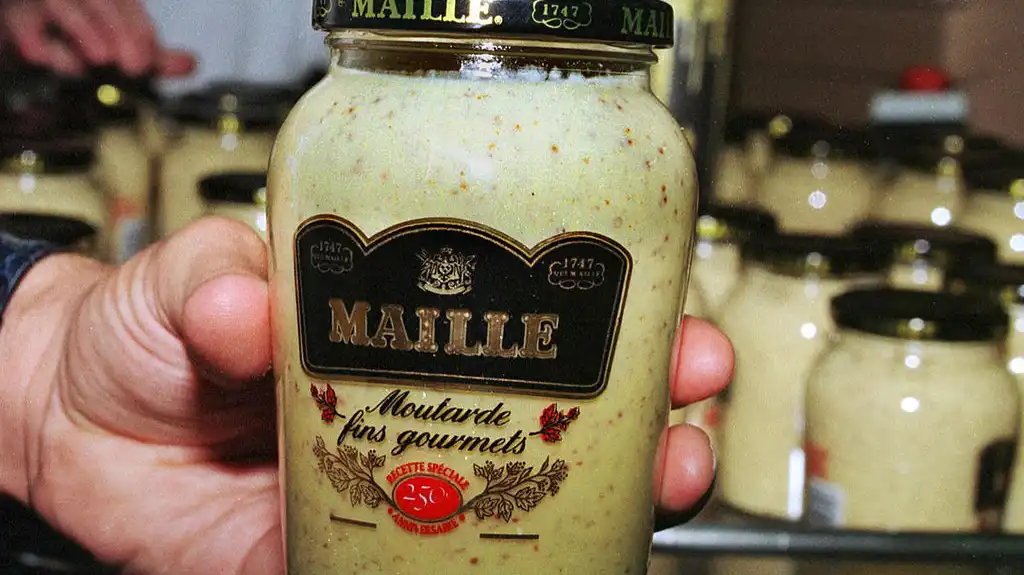
45% of all mustard exports come from Canada, where growing regions have been hotter and drier recently.
Samira Bouhin/AFP via Getty Images

Jake Edmiston, a business reporter at the Toronto Star, decided to investigate his Dijon after his usual mustard chicken recipe failed to impress his family at dinner.

“You can tell when they don't like it,” Edmiston said. “They know that Dad has thin skin, so they don't say it right out, but you could just tell.”

He found that the particular jar of Maille Dijon Originale he had used was extremely spicy, a problem that Edmiston traced back to the mustard crop itself. Canada is one of the top mustard exporters in the world, accounting for 45% of all mustard exports, and its primary growing regions have experienced less-than-ideal conditions.

“They've had hotter, drier growing conditions for the past five years, and when you have hotter, drier growing conditions, you get hotter, spicier mustard seeds,” said Edmiston.

“Marketplace” host Kai Ryssdal spoke with Edmiston about his reporting.

To listen, use the play button at the top of the screen.

Related Topics

Collections:

Latest Episodes

View All Shows
  • Marketplace
    5 hours ago
    25:26
  • Marketplace Morning Report
    12 hours ago
    6:33
  • Million Bazillion
    17 hours ago
    12:18
  • Marketplace Tech
    17 hours ago
    7:13
  • This Is Uncomfortable
    6 days ago
    39:00
  • Make Me Smart
    4 months ago
    24:33