


A world without plastic
In her new book “The Problem with Plastic,” a former EPA official looks at the costs of plastic overproduction and how we can move beyond it
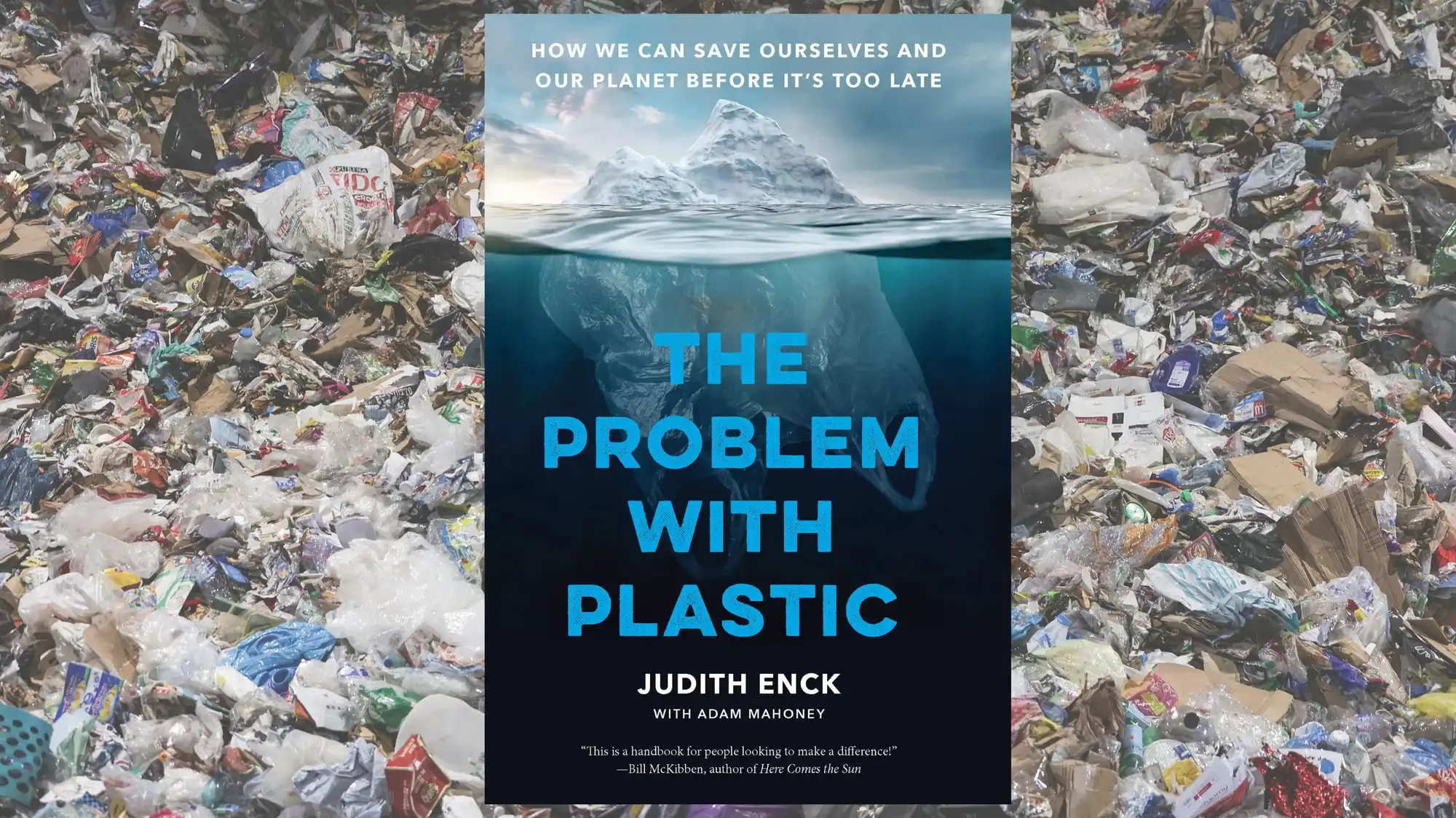
Let’s face it: we’re surrounded by plastic. The plastics industry now produces 450 million tons a year, and it’s seeping into our environment and even our bodies, as microplastics have been found in nearly every human organ.
But according to former EPA official Judith Enck, it doesn’t have to be this way.
“Plastic really hit the market after World War II, but this massive increase is relatively recent, which says to me: we can solve the problem,” Enck said. “It's a new problem, and we know that there are alternatives.
Enck, founder of the advocacy group Beyond Plastics, spoke with “Marketplace” host Kai Ryssdal about her new book, “The Problem with Plastic: How We Can Save Ourselves and Our Planet Before It’s Too Late.” The following is a transcript of their conversation.
Kai Ryssdal: I was struck to read in the opening pages of this book, actually, that half of all the plastic we have on this planet right now has been created since, like, 2007 or something.
Judith Enck: Yeah, this is a recent, serious problem. I mean, plastic really hit the market after World War II, but this massive increase is relatively recent, which says to me, we can solve the problem. It's a new problem, and we know that there are alternatives.
Ryssdal: So let's talk about the solving the problem, which is fundamentally what this book is about. You point out, and after you said it, I was like, “Yes, of course.” Plastics are known to be an environmental nightmare. They are known to be in some cases toxic, and yet we don't regulate it like we do say lead or asbestos. And I guess the question is, why? And I want your answer to go beyond Big Oil has really powerful lobbying arms.
Enck: Well, Big Oil has really powerful lobbying arms. That is actually the major problem. I mean, I used to work at the EPA. I was a regional administrator during the Obama administration, and even then, there was not much of a focus on plastic. But today, there are many good proposals around the world to deal with plastics. It's not a science issue. It really is a political science issue. The enormous political strength of chemical companies, fossil fuel companies and consumer brand companies are what's standing in the way of protecting our health and our environment.
Ryssdal: We do have to say, though, that for all of those things which are true that you just pointed out, consumers wanting ease in facility and low prices is part of the challenge?
Enck: Well, I think the bigger problem is consumers don't have a choice, and we can have ease and affordability and not have plastic. We don't need to wait for a big space age breakthrough. We can rely on paper, cardboard, metal, glass. They can all be made from recycled material, and actually do get recycled when you put that in the recycling bin, and not substantially more expensive than plastic.
Ryssdal: Let's just take a very quick detour here to trod some conceivably well trod ground, certainly on public radio. But it needs to be said, we put all this plastic in our blue recycling bins and put them out by the curb, but there the recycling myth kind of ends, yes?
Enck: Yeah, putting plastics into your recycling bin does not mean it gets recycled. Only five to 6% of plastics actually get recycled. It's not because we're not all trying. It's because, by design, most plastics are not recyclable. And the reason why many of us are confused is because the plastics industry has spent millions of dollars telling us just keep recycling your single use plastic. It's so bad in fact, that Attorney General of California Rob Bonta has sued Exxon Mobil for deceptive statements around plastics recycling.
Ryssdal: So let's do a little solutions journalism here. You spoke earlier about some great solutions around the world. Give me your top like, three ways that we specifically in the United States, rather, because that's, that's the test audience here. What can we do?
Enck: Oh, there's so much. I think we need to pass new laws to make sure that the producers of plastic actually pay for disposal. I think we need to shift toward reusable and refillable packaging. When I was growing up, and I'm not that old, we had milk in refillable glass bottles. We need to build that refill reuse infrastructure, but it starts with getting new laws on the book so that the plastics producers don't continue to have a free ride.
Related Topics
Collections:


Latest Episodes
View All Shows 2 hours ago25:22
 10 hours ago5:52
 15 hours ago27:55
 15 hours ago4:45
 6 days ago27:11
 4 months ago24:33