Marketplace®
Every story is an economic story
Latest Episode

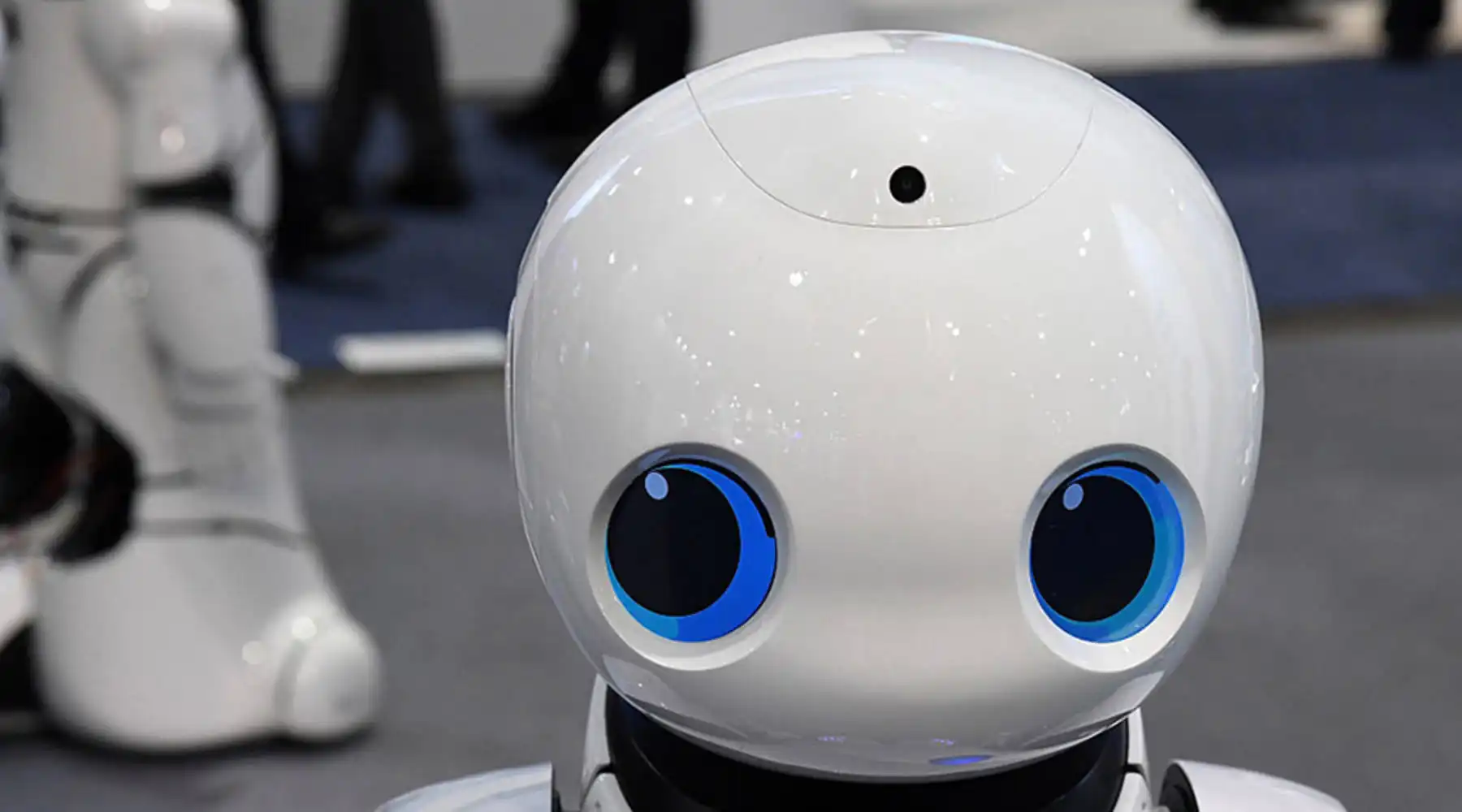
Hey, kids! Robots aren’t people

Jul 24, 2018

Episodes 2171 - 2180 of 4493

  • Tech, data, privacy and time: It’s a trade-off, but are we giving too much?
    Peter Macdiarmid/Getty Images for Somerset House

    Between social media, election meddling, privacy concerns and fears of internet addiction, we are at a time when we are re-evaluating the grand bargain that we have made with technology. We’ve gotten used to trading personal information for tailored ads and letting devices into every part of our lives for convenience. But, as we develop these habits and make these trade-offs, what does it mean for our kids? For the next week, we’re going to look at this tech bargain and its impact on the next generation. We’re starting with a conversation about marketing. Marketplace Tech host Molly Wood talked to Marcus Collins, chief consumer connections officer at the Doner creative agency, about how advertisers think about reaching kids. (07/23/2018)
  • Facebook, it might be time to face facts. You’re a publisher.
    JOEL SAGET/AFP/Getty Images

    This week, representatives from Google, Twitter and Facebook all spoke at a congressional hearing about how they present news and opinions on their platforms. The next day, Facebook’s Mark Zuckerberg told the Recode podcast that Facebook shouldn’t overregulate speech on the site, even if it means not banning Holocaust deniers. So how much should these companies be responsible for what is said online? Sounds like a good Quality Assurance topic, the segment where we take a deeper look at a big tech story. Marketplace’s Molly Wood talks with Mike Nuñez, editor at Mashable. (07/20/2018)

  • A hostess talks to a NAO Watson robot at the IBM stand at the 2016 CeBIT digital technology trade fair in Hanover, Germany.
    Sean Gallup/Getty Images

    IBM reported earnings Wednesday. The company has been on a long turnaround path, focusing its business on cloud services, security and data analytics. It’s also investing in artificial intelligence, mostly under the brand of the “Jeopardy”-winning supercomputer Watson. Marketplace Tech host Molly Wood talks to Brandon Purcell, an analyst with Forrester, about the profit potential of artificial intelligence for IBM and other tech companies. (07/19/2018)

  • YouTube displayed a giant play button with the names of creators chosen to work with the company at VidCon.
    (Marketplace/ Eve Troeh)

    Research from Google says 70 percent of teenage YouTube subscribers say they relate more to online creators than traditional celebrities. According to the research firm L2, 70 percent of companies use social media influencers to market products. As part of our series on the creator economy, Marketplace Tech host Molly Wood talked to Troy Solomon, who has more than 45,000 Instagram followers for his verified account A Bear Named Troy. (07/18/2018)

  • How Univision finds the next social media star
    Justin Sullivan/Getty Images)

    As part of our series on the creator economy, we’re looking at “influencers.” Those are the YouTube and Instagram personalities who get big followings and free products that they then promote to their followers. We’re also looking at the people who find those influencers and connect them with the brands who want to influence people. One of those finders is Jennifer Perri, vice president of the Univision Creator Network. She talks with Marketplace Tech host Molly Wood. 

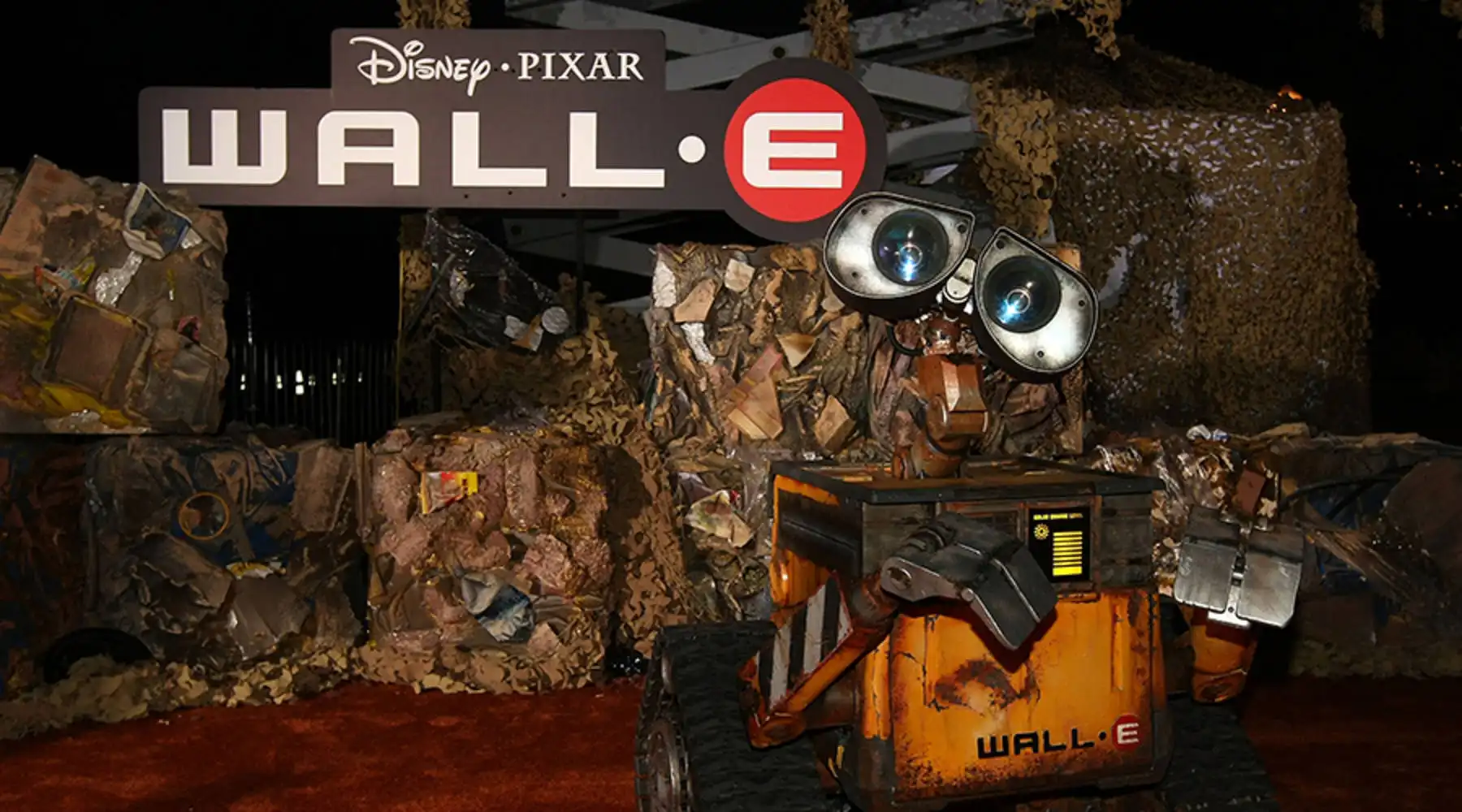
  • Wall-E arrives at the world premiere of Disney-Pixar's film Wall-E held at the Greek Theater on June 21, 2008 in Los Angeles, California. 
    Alberto E. Rodriguez/Getty Images

    Ten years ago this summer, the Pixar film “WALL-E” came out. It’s about a future where humans have ruined earth’s environment with trash, so they live in space, captive to screens, self-driving chairs, and robot servants. One little robot is left on Earth to clean up the mess, until he finds love — and ends up saving humanity from itself. As part of our summer entertainment series, we’re pondering the critiques and lessons of Wall-E with sci-fi writer Kim Stanley Robinson, who also happens to be a big fan of the film.  (07/16/2018)

  • This photo illustration taken on March 23, 2018 shows Twitter logos on a computer screen in Beijing.
    NICOLAS ASFOURI/AFP/Getty Images

    This week, Twitter announced that it’s removing locked accounts from its platform. That’s in an effort to clean up its bot problem. Bots are fake Twitter accounts that spread propaganda and intimidate people. A New York Times story in January suggested that up to 15 percent of Twitter’s user base could be bots. Twitter says it was more like 5 percent. But now, as the company is trying to clean up the bot problem, some investors are worried that Twitter may have fewer human users than they thought. Kevin Roose follows social media for the New York Times. He spoke with Marketplace Tech host Molly Wood about how bots became a business problem for Twitter. 

  • Yes, lots of people are still playing "Pokemon Go"
    Olivia Harris/Getty Images

    “Pokemon Go” was one of 2016’s most popular mobile games, but it seemed to lose players just as quickly as it gained them. That may have been due to some technical glitches, but “Pokemon Go” appears to be back. That’s at least in part thanks to some new social features. Those are what got Marketplace Tech host Molly Wood back in the game, and got her thinking about who else is playing “Pokemon Go.”

  • A view of a fully electric Tesla car on an assembly line at the new Tesla Motors car factory in Tilburg, the Netherlands, during the opening and launch of the new factory, on Aug. 22, 2013.
    Guus Schoonewille/AFP/Getty Images

    China is a huge market for electric cars. Tesla is looking for a place to build and sell lots of electric cars. But the U.S. is in a trade war with China and right now there’s about a 40 percent tax on American-made cars being sold in China. That hurts all automakers, but if you’re trying to become the dominant electric car maker in the world you need to sell cars in China. Dan Sperling is the founding director of the Institute of Transportation Studies at the University of California, Davis. He spoke with Marketplace Tech host Molly Wood about how the Chinese government is changing the market for electric cars. (07/11/2018)

Talk to us

You must complete the reCAPTCHA above to submit your message.
By submitting, you consent to receive information about our programs and offerings. The personally identifying information you provide will not be sold, shared, or used for purposes other than to communicate with you about Marketplace. You may opt-out at any time clicking the unsubscribe link at the bottom of any email communication.

About the show

Every weekday morning, Marketplace Tech demystifies the digital economy. The radio show and podcast explain how tech influences our lives in unexpected ways and provides context for listeners who care about the impact of tech, business and the digital world.

All Shows