Marketplace®
Every story is an economic story
Latest Episode

Venture capital: Using your own money

Aug 7, 2018

Episodes 2161 - 2170 of 4493

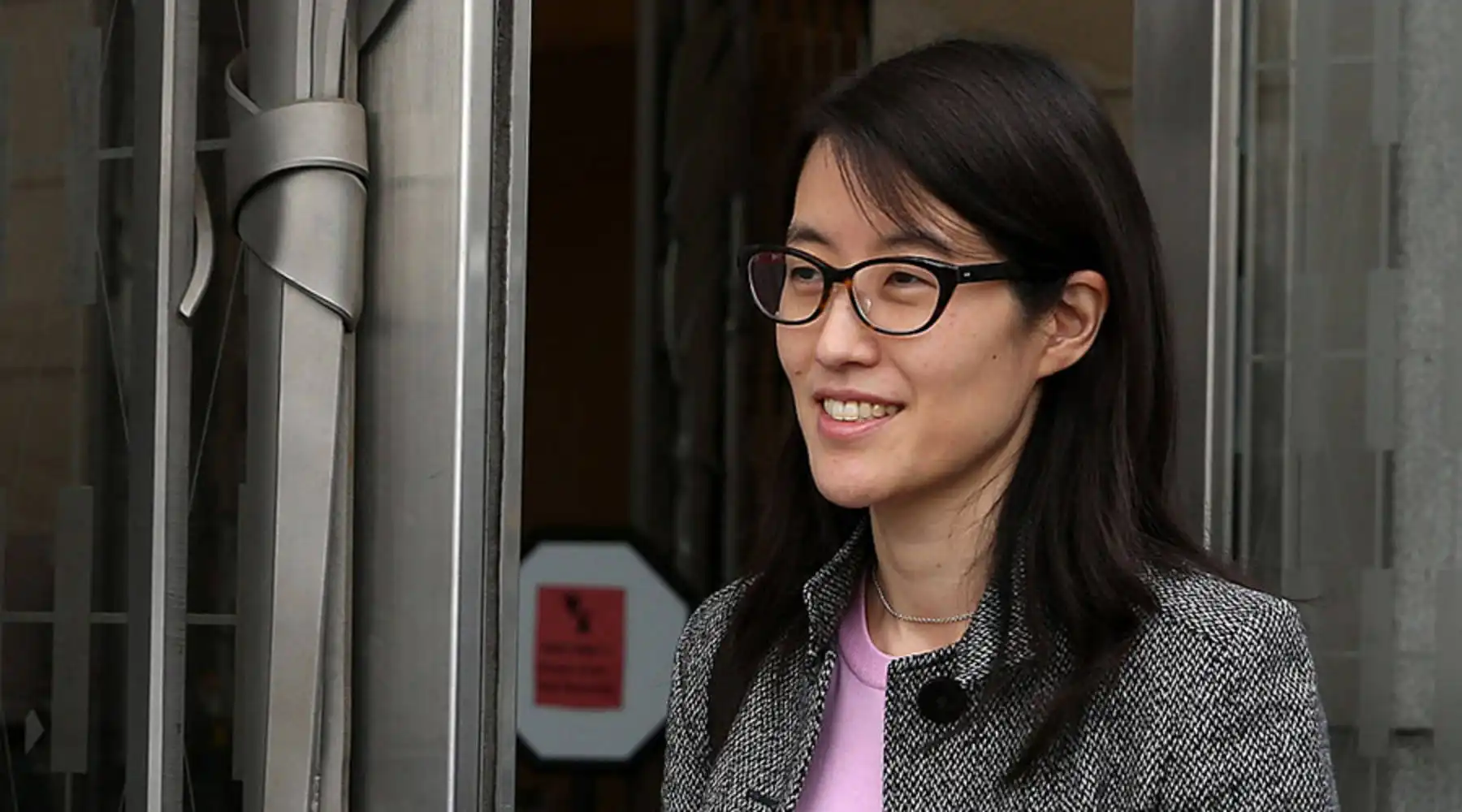
  • Ellen Pao, the interim CEO of Reddit, sued her former employer, Silicon Valley venture capital firm Kleiner Perkins Caulfield and Byers, for $16 million, alleging she was sexually harassed by male officials.
    Justin Sullivan/Getty Images

    All week we’re looking at venture capital and the people who control that wealth. We start with the industry’s very culture. In November, venture capitalist Steve Jurvetson of Draper Fisher Jurvetson left that firm following allegations of inappropriate behavior and an internal investigation. The company said he left by mutual agreement. Ellen Pao is a venture capitalist who sued another well-known firm, Kleiner Perkins Caufield and Byers, for gender discrimination in 2012. She lost the case, but it inspired other women to come forward. We revisit Marketplace Tech host Molly Wood’s conversation with Pao about how her public battle shined a light on venture capital’s culture. (08/06/2018)

  • A picture taken on November 20, 2017 shows logos of Google displayed on computers' screens. 
    LOIC VENANCE/AFP/Getty Images

    Four of the biggest companies in the world — Alphabet, Amazon, Facebook and Apple — all reported earnings over the last two weeks. These companies either sell gadgets, services or ads — or maybe a combination of the three. And for a long time, it looked like selling ads, fueled by personal information, was the holy grail of digital business models. But lately, it looks like less of a slam dunk. Is the advertising star dimming as a reliable business model? Marketplace’s Molly Wood decided to ask an investor — Emily Melton, a partner at venture capital firm DFJ. (08/03/2018)

  • Is security fatigue keeping companies from being secure?
    Thomas Samson/AFP/Getty Images

    This weekend in Las Vegas, the huge cybersecurity event Black Hat USA kicks off, followed immediately by the other big cybersecurity event of the year, Def Con.  There are always some big hacker stunts at these events — hackers already broke into a voting machine as a Def Con demonstration. But after a year of major data breaches, there’s also a sense of security fatigue. Chester Wisniewski is a principal research scientist at Sophos, a security firm. He talked with Marketplace’s Molly Wood about whether that fatigue is affecting business. (08/02/2018)

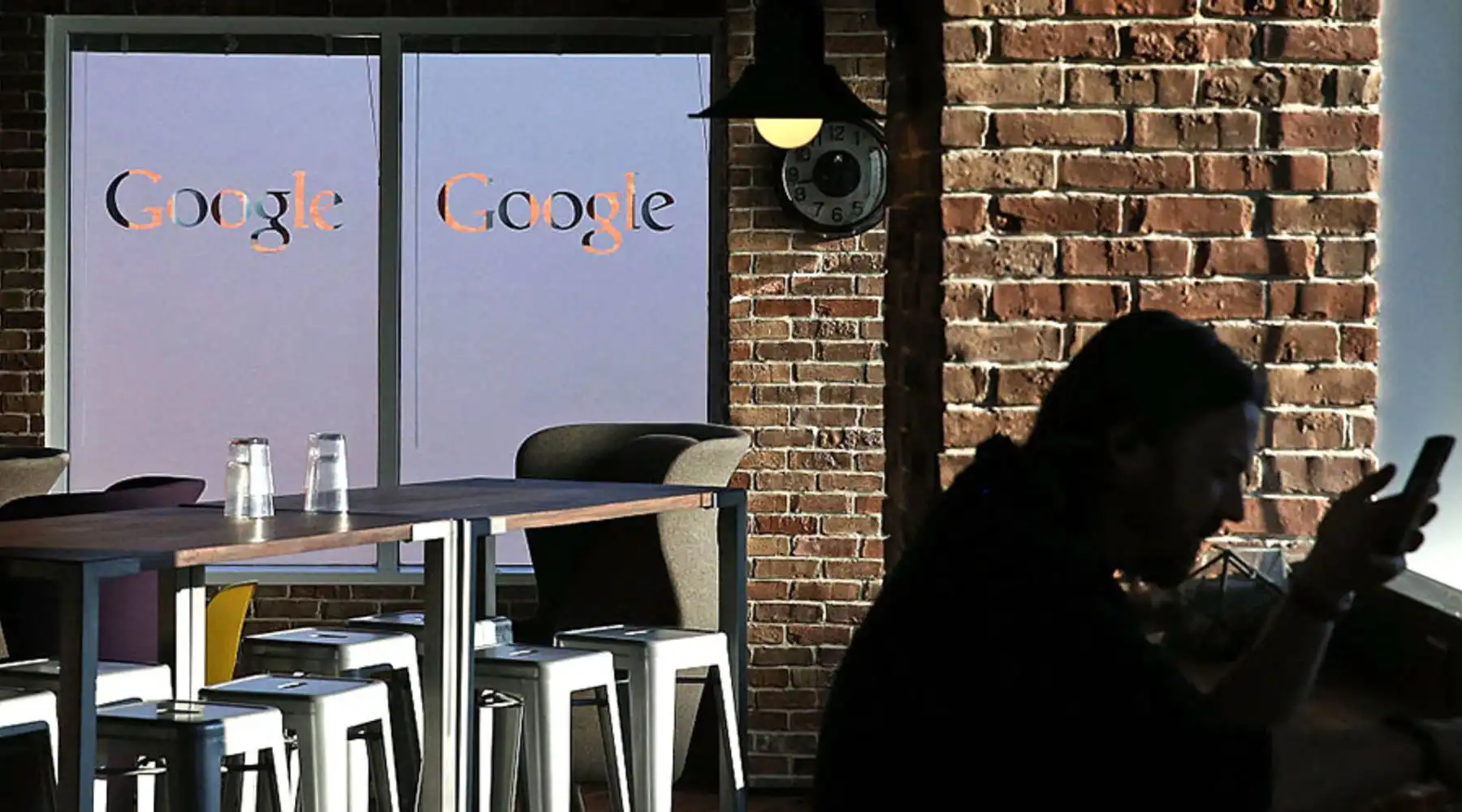
  • An employee sits in the cafeteria of Google's Washington headquarters, Jan. 8, 2015 in Washington, D.C. 
    Mark Wilson/Getty Images

    Free food is a legendary perk of working at a tech company. The cafeterias at Apple, Google, and Facebook are almost like a tourist attraction. But cities in the San Francisco Bay Area are saying that the free lunches are killing local business, and they’re moving to ban company cafeterias. The city of Mountain View made a law in 2014 that said Facebook’s new campus couldn’t offer free food, and last week, San Francisco city supervisors proposed a rule that any new offices in the city couldn’t include cafeterias. Marketplace’s Molly Wood talks with Joe Fitzgerald Rodriguez, a columnist for the San Francisco Examiner, about the proposal. (08/01/2018)

  • How is the U.S. dealing with cybersecurity … without a cybersecurity czar?
    Mark Wilson/Getty Images

    Hackers, probably Russian, successfully broke into electric utilities last summer. Homeland security officials revealed those intrusions for the first time last week. There were also reports last week of attempted cyberattacks on various members of Congress, and this week, the Senate is likely to have a showdown over funding for election security.  There had been a White House cybersecurity coordinator who organized the national response to cyberattacks, but the Trump administration eliminated the job back in May. Marketplace Tech host Molly Wood talks with Daniel Castro, vice president at the nonprofit Information Technology and Innovation Foundation, about what this means for U.S. cybersecurity. (07/31/2018)

  • Is the backing of the banks enough for Zelle to beat Venmo?
    STR/AFP/Getty Images

    For many people, especially those under 40, paying a friend, or settling a restaurant bill, or squaring up after happy hour isn’t done in cash. It’s done by peer to peer app.  You’ve probably heard of PayPal and Venmo, which PayPal owns. Now, there’s some competition from Zelle, the big banks’ answer to Venmo. Rahul Chadha follows peer to peer mobile banking for the research organization eMarketer.  His firm says Zelle will overtake Venmo this year. One thing that helps?  Zelle comes pre-installed in the mobile apps of many big banks. Chadha spoke with Marketplace’s Lizzie O’Leary about whether that’s enough to lift Zelle up. (07/30/2018)

  • A boy makes faces while testing out the Animoji feature on an iPhone X at the Apple Store Union Square on in San Francisco in 2017.
    ELIJAH NOUVELAGE/AFP/Getty Images

    In the last installment of our series on the trade-offs of technology, a discussion about screen time. How much is too much? And is there a right kind of screen time and a wrong kind? To answer that, we kind of need to know: What are screens doing to our children’s brains? One person studying that is Dr. Megan Moreno, a professor of pediatrics at the University of Wisconsin. She’ll talk with us on today’s show about how media use affects kids. (07/27/2018)

  • A Chinese couple tests the new iPhone 7 during the opening sale launch at an Apple store in Shanghai on September 16, 2016. 
    JOHANNES EISELE/AFP/Getty Images

    From recommendations to notifications to endless scrolling that never stops giving you something new, today’s tech is designed to be irresistible. But some designers of these products now say these techniques are damaging. James Williams is one of those people. He spent 10 years at Google and then co-founded a movement called Time Well Spent, which aims to get tech companies to re-think how they grab and monetize our attention. He’s also the author of the book “Stand Out of Our Light: Freedom and Resistance in the Attention Economy.” He talked with Marketplace Tech host Molly Wood about the way forward for tech companies.

  • Designing tech for the most vulnerable users
    Christopher Furlong/Getty Images

    This week we’re looking at the grand bargain of technology with the next generation of users in mind. Today we’re looking at how kids deal with the complexity of digital life and how companies could make things easier or safer. Danah Boyd is a principal researcher at Microsoft and the founder of the research organization Data & Society, and much of her research looks at how kids are affected by the digital societies they live in. She talked with Marketplace Tech host Molly Wood. (07/25/2018)

Talk to us

You must complete the reCAPTCHA above to submit your message.
By submitting, you consent to receive information about our programs and offerings. The personally identifying information you provide will not be sold, shared, or used for purposes other than to communicate with you about Marketplace. You may opt-out at any time clicking the unsubscribe link at the bottom of any email communication.

About the show

Every weekday morning, Marketplace Tech demystifies the digital economy. The radio show and podcast explain how tech influences our lives in unexpected ways and provides context for listeners who care about the impact of tech, business and the digital world.

All Shows