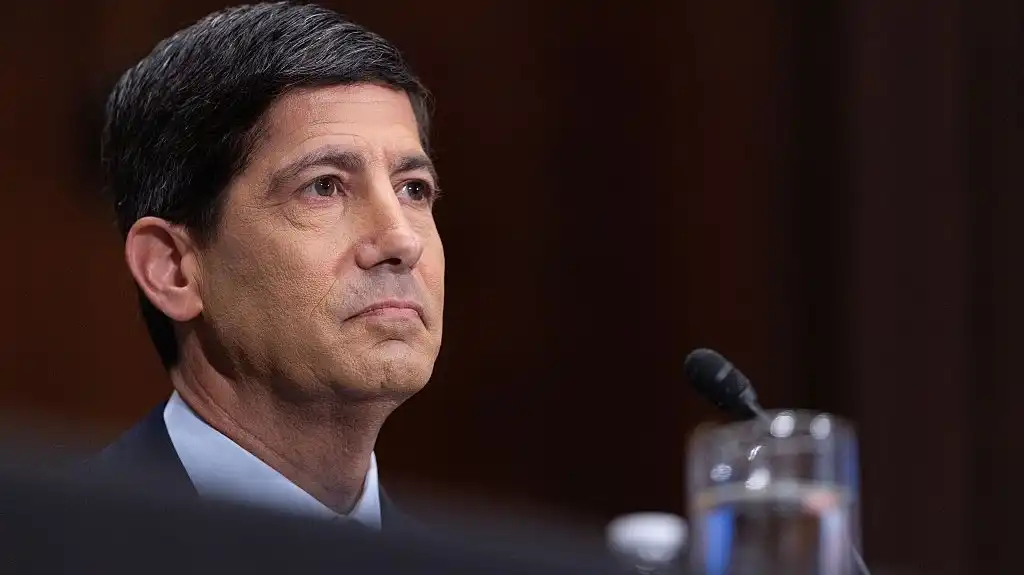
Federal Reserve Chairman Kevin Warsh will take the podium Wednesday to answer questions on the Fed’s latest policy decisions. But will we get any signals about future meetings?
“People that have been on the sidelines, they realize that this is probably going to be a while,” said Vivian Gueler, a mortgage lender in LA. “So they're just jumping off the sidelines and starting to look around a little bit.”
According to a survey by the National Association for Business Economics, businesses have raised prices, become more efficient, and are no longer worried about an impending recession.
Sales of private and corporate aircraft have surged since the pandemic, and more than 80% of general aviation airports now have hangar waiting lists that extend years in many cases.
In a recent speech at the New York Association for Business Economics, Fed Board Governor Christopher Waller spoke about the importance of “anchoring” inflation expectations.