


Why Trump’s student loan borrowing caps could end up hurting law, pharmacy and medical students
These caps limit the amount of federal loans students can borrow, which could deter students from applying or force them to take out private loans, which have weaker consumer protections.
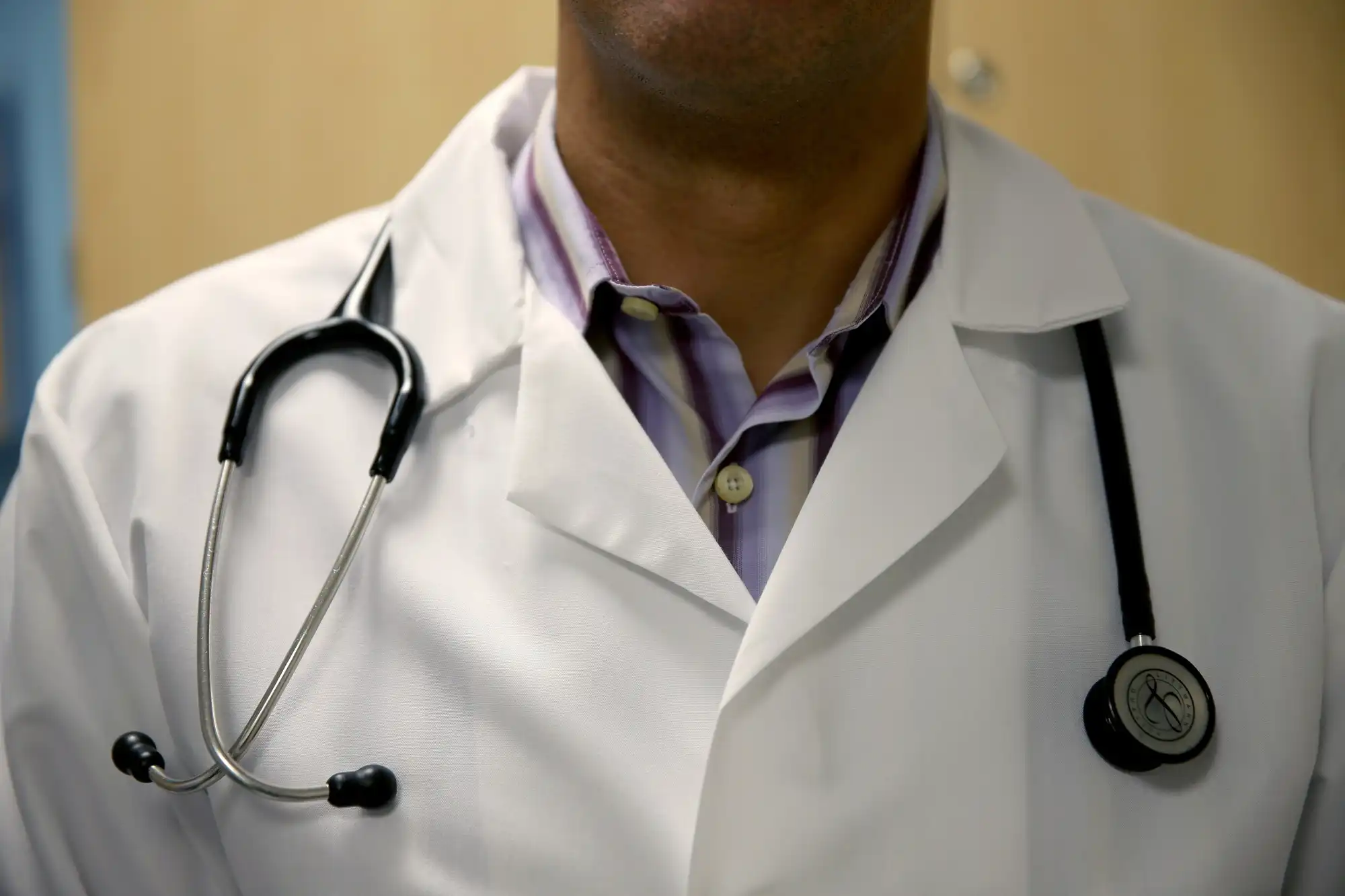
Students interested in a medical or law degree won’t have the ability to take out as many federal loans as they used to starting next year.
They are currently allowed to borrow federal loans under the Grad PLUS program up to the cost of attendance, minus any financial aid. About 1.8 million borrowers in the country have outstanding debt from the program.
President Donald Trump’s One Big Beautiful Bill sets borrowing limits on students who are attending graduate school, capping the amount for each student at $20,500 a year and $100,000 over a lifetime. For students who are pursuing a degree from a professional program like medicine, law or pharmacy, the cap is set at $50,000 a year and $200,000 over a lifetime.
The average cost of a medical school degree is more than $238,000 while the average cost of law school is more than $217,000, according to the Education Data Initiative. The cost of pharmacy school can reach up to $250,000, according to SoFi, a student-loan refinancing company.
“Students are going to have to get a private loan to finish if they don't have scholarships or are able to pay the difference out of pocket,” said Betsy Mayotte, president of the Institute of Student Loan Advisors.
Tuition is a massive burden for students, but while setting loan limits sounds like it would help them from accumulating debt, the caps could have unintended consequences.
Opponents of the bill say that students could end up withdrawing from college without a degree once they hit the borrowing limit, while those who take out private loans will have to pay high interest rates. Or they could avoid applying to graduate school altogether.
Some schools might actually have to increase tuition if states decide to divert higher education funding toward health care due to the bill’s Medicaid cuts. Others may not be able to absorb any tuition decreases because their operational costs are so high.
The new loan limits will apply to students entering school starting July 1, 2026. If you are currently a student in a graduate or professional program, you are grandfathered into the previous parameters of the Grad PLUS program for up to three years, said Aissa Canchola Bañez, policy director at the Student Borrower Protection Center.
Over the past year and a half, aspiring medical student Sam I. has been shadowing doctors to gain clinical experience with the aim of applying to medical school next year. (She declined to share her last name because she hasn’t shared her plans with her current employer.)
As a non-traditional student, she worked several years overseas in international development, but wanted to help patients after realizing she could make a difference in people’s lives through the health care system.
“It really does make you question whether this has been worth a lot of the struggle and time and money,” Sam said. “I'm kind of right in the middle of the process, so it does feel a little demoralizing.”
But she said she’s already so far down this path that she still plans to apply.
Not only could these caps create even more financial barriers for students, but they could also have a negative impact on the future of health care, which is already facing shortages.
“We see these caps and restrictions and the loss of the Grad PLUS program as a significant additional barrier to meeting the manpower needs of our profession and our and our patients,” said Lee Vermeulen, the CEO of the American Association of Colleges of Pharmacy.
No degree and risky loans
One major concern for Mayotte is that some students might drop out of school and leave with large amounts of debt and no degree.
“People could end up reaching the cap before they finish their degree, and then they might not qualify for a private loan due to their credit or because of the debt they've already incurred under the federal programs,” Mayotte said.
A student from a lower-ranked school could end up doing poorly in their first year, and not receive the private loans they were expecting, said Austen Parrish, president of the Association of American Law Schools.
“If you're a lender and you're thinking about who you're going to lend to, you're going to be happy to lend to a student with a high GPA who's already got a high-paying job from a high-ranked school,” Parrish said.
But private lenders will be nervous about lending to someone who hasn’t done well, which means the interest rates they charge could be high or they won’t loan to a student without a co-signer, Parrish said.
Interest rates for federal loans are below 9%, while some private student loans can reach as high as 18%. Many private lenders don’t have loan forgiveness programs or offer repayment plans based on your income.
“They don't have the strong consumer protection benefits that federal loans do,” Bañez said. “So it’s going to be a lot more expensive for folks to pay down these loans and it’s going to be a lot more risky.”
A group of Democratic and independent senators recently wrote letters to several private loan lenders, asking them how they will help students who are pushed into the private-loan market given that the industry has what they say is a “track record of shamelessly taking advantage of borrowers.”
Marketplace reached out to multiple private loan lenders, including College Ave, SoFi and Sallie Mae for comment on whether it will help students who are seeking private loans. Only Sallie Mae responded back.
A spokesperson for Sallie Mae wrote, “For the majority of our loans, we offer deferred, fixed and interest-only payment options for students who are in school. We also have a variety of options for customers who may need additional assistance. When it comes to our customers, the vast majority are effectively managing their payments and fewer than 3% of our loans in repayment have defaulted, annually.”
The spokesperson also noted that federal lending programs “have contributed to significant college cost inflation and unsustainable levels of federal student debt for too many families” and called these caps “an important step in the right direction.”
To attend or not to attend
Lee Vermeulen of the AACP thinks these caps could change the type of school students select – some may opt for public schools over private schools because “the cost is considerably lower.”
But he thinks some students could veer away from the field entirely.
“I think you're going to find a number of kids just saying, “Look, I'm just going to pick a different profession,’” Vermeulen said.
That’s also a concern for the Association of American Medical Colleges.
“This added barrier could deter qualified candidates— particularly those from low-income, rural and non-traditional backgrounds — from pursuing a medical degree altogether, ultimately worsening the current and projected physician shortage,” said Kristen Earle, the director of student financial services at the AAMC. By 2036, the U.S. is projected to face a shortage of 86,000 physicians.
Supporters of the bill say that it could end up lowering tuition, but while Vermeulen said that’s a possibility, he thinks some pharmacy schools will just decide to cease operations if enrollment continues to decline.
It’s expensive to run pharmaceutical programs because you need highly skilled teachers, Vermeulen explained.
“And we build out whole programs where you need the facilities to do training, both in the classroom but also in experiential laboratories,” he said.
Pharmacy school enrollment has dropped about 30% over the past decade, Vermeulen said.
And on top of lower enrollment and these new caps, pharmacy schools that rely on researching funding are now facing cuts from the National Institutes of Health, Vermeulen said.
Critics of the bill point out that other elements of Trump’s bill, like the $1 trillion cut to Medicaid, undermine the the goal of lowering tuition.
Higher education and health care are two of the largest expenditures for states. With less support for health care, states will have to cut higher ed spending to compensate for those losses, Bañez said.
“That results in tuition increases,” she said.
Scholarship opportunities
The AACP is hoping to work with large, commercial employers like Walgreens and CVS to create scholarship programs that will grant students financial aid if they’re committed to working with those pharmacies after graduating, Vermeulen said.
Kristen Earle of the AAMC said medical schools are “in the process of absorbing these changes.”
Earle said that medical schools “already offer an array of scholarships and some have their own institutional loan programs” and that one of the next critical steps for them will be to explore “how to best adapt to support students.”
Parrish of the AALS said that while the student borrowing limits could negatively impact students, he also doesn’t want to discourage people from applying to law school either, especially since there are a lot of scholarships that are available for students.
Thirty years ago, law school had a lower sticker price, but there was little financial aid, Parrish said.
“If you couldn't afford the sticker price, your chances of getting need-based aid was very, very limited,” Parrish said. “Now, because of tuition discounting, you see sticker prices much higher, but then there's a lot more ability for students to be able to get full-ride scholarships in a way that never existed previously.”
Sam I. said she’s hoping by the time she applies to medical school, colleges will have had the time to react and adjust their tuition or loan packages so that students don’t have to take out high-interest loans.
But experts say it’s important to plan as early as possible.
“I strongly urge anybody who is contemplating starting college to make sure you don't just budget for the first year, but you budget for the entire program,” said Betsy Mayotte from the Institute of Student Loan Advisors.
Latest Episodes
View All Shows 2 hours ago27:55
 2 hours ago4:45
 14 hours ago25:16
 21 hours ago5:54
 5 days ago27:11
 4 months ago24:33