Marketplace®
Every story is an economic story
Latest Episode

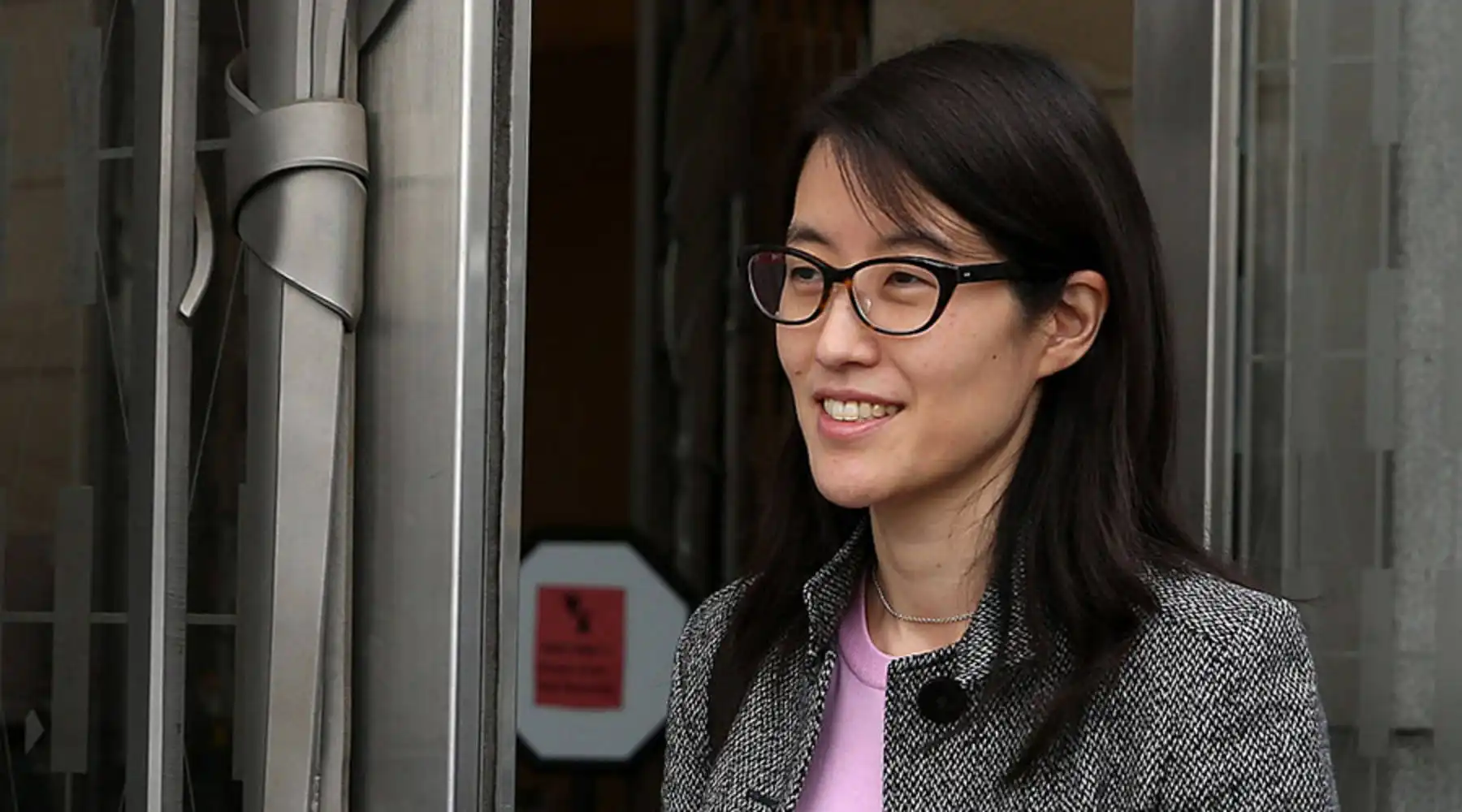
11/15/2017: Ellen Pao and the bad apples of venture

Nov 15, 2017

Episodes 2351 - 2360 of 4493

  • 11/14/2017: Should tech investors be chasing zebras instead of unicorns?
    Peter Macdiarmid/Getty Images

    In the tech world, the word “unicorn” refers to a startup company that investors value at more than $1 billion. Unicorns include companies like Uber, Airbnb and Pinterest. But a group of women founders said venture capitalists are too focused on the exponential growth that unicorns provide. They’re pushing back, and have come up with a new term, “zebras,” which they call companies that are both profitable and good for society. Marketplace’s Amy Scott talks with Mara Zepeda, one of the founders of the Zebra Movement.
  • Hair extensions and wigs are a $5 billion market in the U.S.
    Miguel Mediina/AFP/Getty Images

    Businesses founded by women and people of color aren’t just likely to have a diverse pool of employees — they might also be able to fill a gap in the market. Take Mayvenn, an e-commerce platform that allows hairstylists to sell hair extensions directly to their clients. Marketplace Tech host Molly Wood talked to its CEO, Diishan Imira, about the very lucrative market for hair products and how exactly his service works.

  • “What's amazing about YC is ... you don't have to know anyone, so there isn't some type of old boys' club," says Michael Seibel, a Y Combinator partner.
    Photo by Steve Jennings/Getty Images for TechCrunch

    It’s no secret that the tech industry has a diversity problem. According to data from the Project Diane data initiative, less than 1 percent of venture funding goes to companies founded by African-American women, for example. Marketplace’s Amy Scott talks with Michael Seibel, the first African-American to become a partner at the tech accelerator Y Combinator, about making it a priority to fund companies run by women and people of color.

  • 11/09/2017: The dollar value of a character
    Andrew Burton/Getty Images

    As of this week, Twitter is doubling its character limit to 280 characters for nearly all users. The rationale: New users might find it easier to start tweeting and might stick around. Japanese, Korean and Chinese-language tweets will keep the original 140. As Twitter explained it, these are denser languages, requiring fewer characters to express what might take much longer in English, French and Spanish. But will it get more people using the service? We ask Michael Pachter, managing director of equity research for Wedbush Securities.

  • Amazon CEO Jeff Bezos at a press conference in Santa Monica, California.
    David McNew/Getty Images

    Today, Amazon started shipping its Amazon Key, a smart lock and camera device that lets delivery workers leave packages inside your home. Smart locks aren’t a brand-new invention, but this made us wonder: Will we someday abandon physical keys altogether? Marketplace’s Amy Scott talked with Jason Williams of Assa Abloy, a security company with brands including Yale and Emtek, about the future of keyless technology.

  • 11/07/2017: Tracking Silicon Valley’s history, from farmland to startup central
    Justin Sullivan/Getty Images

    In the tech world we’re usually looking to the future. Leslie Berlin’s new book “Troublemakers: Silicon Valley’s Coming of Age,” looks at the industry’s past, specifically its big turning point in the 1970s. Marketplace Tech host Molly Wood talked with Berlin about the pioneers of tech and how they helped shape the industry. 

  • 11/06/2017: Making cars is hard
    Sean Gallup/Getty Images

    Tesla has had a tough couple of weeks. On Friday, the carmaker updated its customer reservation website to tell people that delivery of the mass-market Model 3 would be several months late, at best. And in an earnings call last Wednesday, Tesla CEO Elon Musk went into great detail about software issues, robot calibration and battery assembly, and said the company is currently in the ninth level of hell. Part of the problem is that making cars is really hard, and Tesla is still more of a software company. But some argue that having a tech-first mentality could benefit Tesla in the long run because it will be able to make changes faster.  

  • 11/03/2017: Can the iPhone X compete with China’s fakes?
    Carl Court/Getty Images

    The iPhone X hits Apple stores today. Apple is a major player in the U.S., but it also needs China to continue to grow. On this episode, we talk with Marketplace’s China correspondent, Jennifer Pak, about the country’s rival market for fakes and why consumers there may not shell out for Apple’s most expensive phone yet.

  • 11/02/2017: The dollar value of a "like"
    ROBYN BECK/AFP/Getty Images

    During the election, 146 million people on Facebook and Instagram might have been reached by Russian-linked political ads. Facebook and other social media companies are reliant on ad revenue to survive. So their business model is also the very thing that allows misinformation to spread. Marketplace Tech host Molly Wood talks with Geoffrey Parker, one of the authors of the book “Platform Revolution,” about the value of a “like.”

Talk to us

You must complete the reCAPTCHA above to submit your message.
By submitting, you consent to receive information about our programs and offerings. The personally identifying information you provide will not be sold, shared, or used for purposes other than to communicate with you about Marketplace. You may opt-out at any time clicking the unsubscribe link at the bottom of any email communication.

About the show

Every weekday morning, Marketplace Tech demystifies the digital economy. The radio show and podcast explain how tech influences our lives in unexpected ways and provides context for listeners who care about the impact of tech, business and the digital world.

All Shows