Marketplace®
Every story is an economic story
Latest Episode

The Craig behind the internet’s most famous list

May 29, 2018

Episodes 2211 - 2220 of 4493

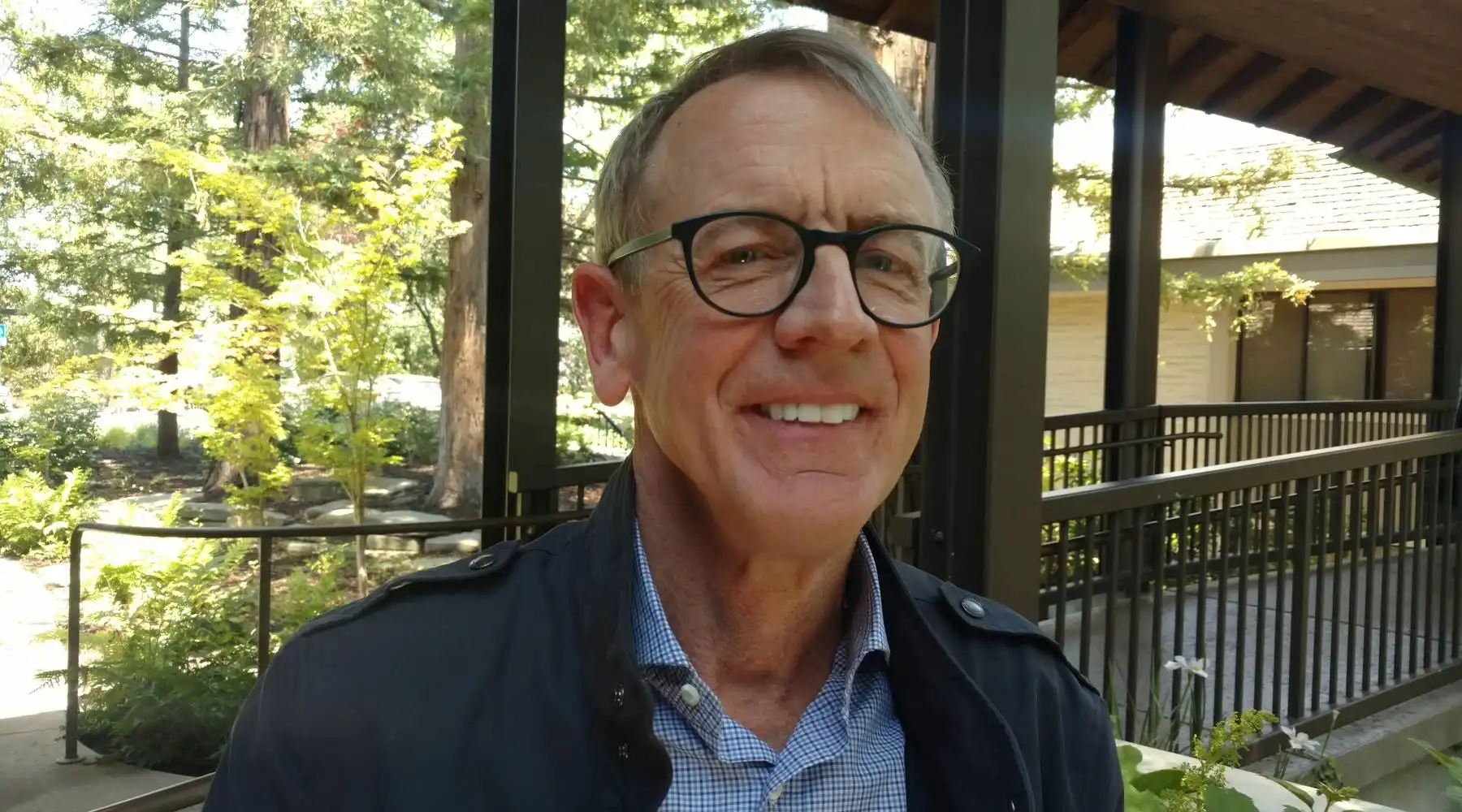
  • John Doerr of the venture firm Kleiner Perkins, author of the new book "Measure What Matters."
    Courtesy of Andrew Stelzer

    John Doerr is a legend in Silicon Valley and the venture capital world. He’s the chairman of the VC firm Kleiner Perkins Caufield & Byers, at which he has funded companies like Google, Amazon and Netscape. Doerr has also mentored many of their founders and sits on the boards of Google, Zynga and One.org — Bono’s nonprofit campaign to fight global poverty. But in his new book “Measure What Matters,” Doerr doesn’t dish on the history of the Valley or gossip about U2’s front man. Instead he talks about why setting objectives and measuring results is key to building a successful business. Marketplace Tech host Molly Wood spoke with Doerr about why the idea of setting goals and sticking to them is so controversial for some companies. (05/28/2018)

  • Tesla Motors CEO Elon Musk at the Tesla Design Studio in Hawthorne, California, in 2015.
    DAVID MCNEW/AFP/Getty Images

    Tech founders and CEOs often become household names. Mark Zuckerberg, Jeff Bezos and Steve Jobs are just a few examples. So is Elon Musk, who cut off an analyst for asking boring supply chain questions in a recent earnings call. This week, Musk attacked the media overall after news reports about problems with Tesla production, factory injuries and crashes related to its Autopilot technology. Some analysts said investors should be worried about Musk’s behavior and its impact on the company. Marketplace Tech host Molly Wood spoke with Paul Kedrosky of SK Ventures about how the founder’s role has changed since the first dot-com boom. (5/25/2018)    

  • A display shows a facial recognition system for law enforcement during the NVIDIA GPU Technology Conference in Washington, D.C., in 2017.
    SAUL LOEB/AFP/Getty Images

    This week, Amazon is facing backlash for selling facial recognition tools to police. The American Civil Liberties Union says the company was powering a government surveillance infrastructure. Amazon says its services can be used for anything from finding lost children to spotting celebrities at the royal wedding to tracking down criminals. Facial recognition is an increasingly powerful tool that’s raising a lot of privacy concerns. And not every company thinks these tools should be sold to every buyer. Marketplace Tech host Molly Wood spoke to Brian Brackeen, CEO of the facial recognition software company Kairos, about why his company’s code of ethics prohibits selling services to governments. (05/24/2018)

  • The Shadow Robot company's dextrous hand robot holds an Apple at the Streetwise Robots event held at the Science Museum's Dana Centre on May 6, 2008 in London, England. 
    Jeff J Mitchell/Getty Images

    This week Microsoft bought a company called Semantic Machines which works on something called “conversational AI” – that means computers that sound and respond like humans. Mostly it’s for digital assistants like Microsoft’s Cortana, Apple’s Siri, Amazon’s Alexa or Bixby on Samsung. Last month Google showed off its own smart assistant called Duplex, which can call a hair salon to make an appointment on your behalf, or a restaurant to make a reservation. But it’s clear from what Google showed off that the people on the other end of these calls don’t know they’re talking to a computer — leading some to ask what the rights of the human on the other end of line are. Marketplace Tech host Molly Wood spoke with Jacob Metcalf of the Data & Society Research Institute about the business case for making computers sound so real. (05/23/2018)

  • Why privacy settings can’t keep your location secret
    Justin Sullivan/Getty Images

    Phone carriers collect a minute-by-minute record of everywhere you go. If you use GPS on your phone, that may be obvious. But carriers are also selling that information to companies that don’t do much to keep it secure. One of those companies, Securus Technologies, was hacked this month. Securus gets its information from a company called LocationSmart. On Friday, security researcher Brian Krebs reported a bug on LocationSmart’s website that would make it possible to track any phone on the four major carriers using only a phone number. Krebs spoke with Marketplace Tech host Molly Wood about the dangers this kind of data can pose in the wrong hands. (05/22/2018)

  • A Jump bike sits in front of Uber headquarters in San Francisco. Uber acquired Jump for an undisclosed amount of money.
    Justin Sullivan/Getty Images

    Uber is looking beyond cars in its bid to control the future of mobility. The company recently acquired electric bike share startup Jump. That means in select cities, Uber users can opt for a bike instead of a driver to help them get around. But the uptick in two-wheeled transportation sharing has some worried about pedestrian safety on sidewalks, not to mention the implications surrounding data privacy. Marketplace Tech host Molly Wood met up with Jump CEO Ryan Rzepecki on a busy street in San Francisco to get a handle on the ride share ecosystem. (05/21/2018)

  • Demonstrators outside the Federal Communications Commission building in Washington, D.C., in December protest the end of net neutrality rules.
    Chip Somodevilla/Getty Images

    The Senate voted earlier this week to overturn the Federal Communications Commission’s decision to roll back net neutrality rules. But in order for the FCC’s decision to be reversed, a similar vote would have to pass the house and be signed by the president. But the vote did accomplish one big thing: It reminded politicians that consumers care about net neutrality and support some kind of regulation on big telecom companies. Marketplace Tech host Molly Wood spoke with Brian Fung of the Washington Post about what he learned from senators after the vote.  

  • -
    JIM WATSON/AFP/Getty Images

    Europe’s new data regulations apply to companies large and small, but do tech’s little fish have a big disadvantage? The General Data Protection Regulation has already taken effect and will start being enforced later this month. Some big companies have added staff and software to comply, but smaller businesses may not have the cash to keep up. Marketplace Tech host Molly Wood spoke with Jessica Lee, partner with the law firm Loeb & Loeb, about just how much businesses are spending on compliance. (05/17/2018)

  • Drilling oil wells these days still involves dirt and sweat - installing rigs in muddy fields. But there are also more jobs at desks, checking systems remotely by computer.
    Filipa Rodrigues/Marketplace

    The current wave of automation is sometimes described as the fourth industrial revolution. And almost every industry is affected, including oil and gas. Almost 40 percent of oil and gas workers are in Texas. With the price of crude oil at $70 a barrel, there’s a boom — but not in hiring. Job numbers haven’t gone up as much as some observers expected. Automation is partly to blame, but the industry is bringing in other technologies to stay ahead of the game as well. Marketplace’s Andy Uhler took a trip out to the Permian Basin in West Texas, where oil production has tripled in the last three years. (05/16/2018)  

Talk to us

You must complete the reCAPTCHA above to submit your message.
By submitting, you consent to receive information about our programs and offerings. The personally identifying information you provide will not be sold, shared, or used for purposes other than to communicate with you about Marketplace. You may opt-out at any time clicking the unsubscribe link at the bottom of any email communication.

About the show

Every weekday morning, Marketplace Tech demystifies the digital economy. The radio show and podcast explain how tech influences our lives in unexpected ways and provides context for listeners who care about the impact of tech, business and the digital world.

All Shows

Marketplace Tech