LinkedIn is no longer just a job-posting site — it’s a full-blown social media platform, and it’s growing fast. It’s also becoming increasingly critical for finding (and keeping) a job.
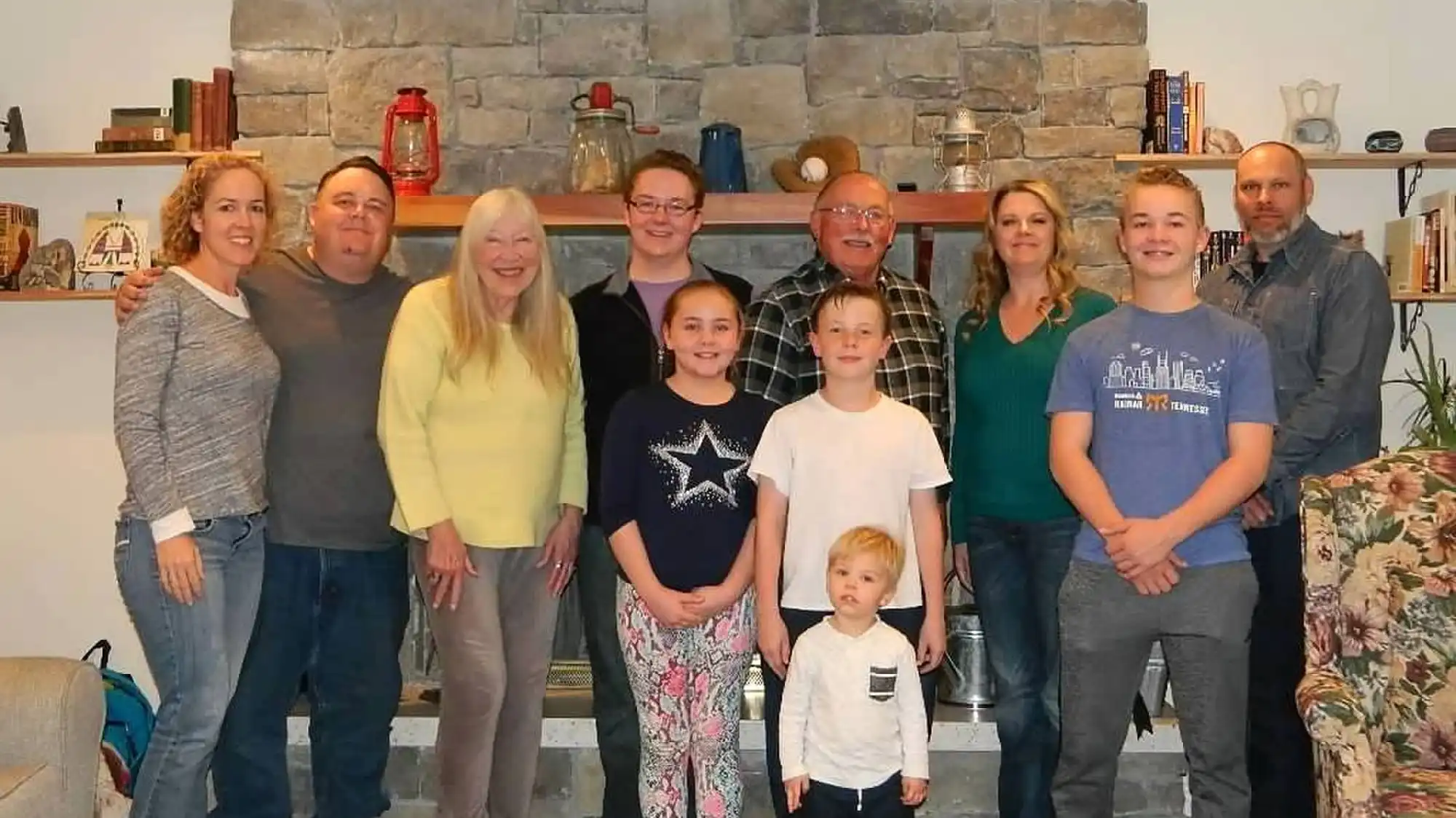
In 2020, Jillian VanTuyle racked up $60,000 worth of credit card debt paying for childcare and other expenses during the COVID pandemic. In 2026, she sold her home, paid off all her debt, and didn’t even have to move.
New tariffs between the U.S. and Canada apply to a small fraction of overall trade between the countries. But for some businesses, the effects loom large.
Plus, Congress wants to rein in Flock's surveillance network, and Apple is set to roll out anti-AI-generated tech. Paresh Dave, senior writer at Wired, joins Marketplace’s Meghan McCarty Carino on this week’s “Tech Bytes: Week in Review.”
Cash-strapped shoppers are holding off on home renovations. We’ve also got a new AP class, the public versus private data debate, and the future of global energy demand.
Chris Sorbe worked with his father to turn their home into a vacation rental a decade ago. Business boomed for a while, but it hasn’t been so hot lately.
High prices and a moribund housing market have homeowners putting off improvement projects. Home Depot, Lowe’s, and their competitors are feeling the pinch.
Corporate investors and private equity firms are buying up mobile home parks across the country. In Colorado, one community recently found out their park is for sale for $44.5 million.
People with disabilities or the elderly may be forced to live at a nursing home or other institution as Medicaid cuts make access to home healthcare services harder to access.
The rise reflects increased jet fuel costs and the loss of discount airline Spirit Airlines, but demand for first class and economy-plus has remained strong.
Startups like Corgi as well as traditional brokers are scrambling to evaluate and price the unprecedented digital risks that come with embedding artificial intelligence into daily operations.
“It's been really difficult to look at a screen for extended periods of time since then,” said Sarah Turner. “And also, I have a lot of post-stroke fatigue, so it's just really hard to make it through a day.”
The quarter-point increase lifts the Fed’s key rate to about 3.9% and could result in higher borrowing costs for mortgages, auto loans, and credit cards.
That's according to futurist Amy Webb, who also argues that AI manifestos and screams of an AI apocalypse are useless when labs can self-regulate amid fears of the technology harming humans.
Nationally, August saw the third-highest level of container imports ever. Plus: the non-college-educated labor market, children’s clothing, and the history of an iconic statue.
The plan, which could add $1.2 trillion to the country's growing deficit, is seeing resistance from some Republicans — and could also accelerate inflation.
The Bull was first placed outside the Stock Exchange as a piece of guerrilla art. But now, nobody knows who owns it, according to Ben Fractenberg at The City Reporter.
Bridges and tunnels built specifically for elk, deer and other critters can keep drivers safe and wildlife off roads. But these projects often rely on federal dollars, which are pending renewal.
So-called “Main Street Millionaires” — as they’ve been dubbed in a new book by economists Owen Zidar and Eric Zwick — have more than 13 times the wealth of the Forbes 400. So who are they?
OpenAI's ChatGPT and Codex were referring a lot to goblins, trolls, and raccoons earlier this spring. And that happened inadvertently when the AI lab prompted those models to have a "nerdy" personality, says Janelle Shane, writer of the blog "AI Weirdness."
The Fed is expected to raise interest rates at its next meeting, and it won’t be alone. The ECB has already raised rates, and Japan is expected to follow suit.
States and cities put a lot of effort into events designed to attract young, educated people who can bolster their local economies with high incomes and more tax revenue.