Marketplace®
Every story is an economic story
  • Today is the day Lionel Richie fans have been waiting for. The pop star’s line of sheets and towels hit stores shelves at J.C. Penney. Celebrity endorsements and product lines are of course nothing new. But the somewhat odd pairing made us wonder what it takes for these sorts of partnerships to work out. Click […]

  • Sep 8, 2018

    The world’s unlikely capital of heavy metal

    by Peter Balonon-Rosen
    Finnish thrash metal band Stam1na performing at the 2014 Rakuuna Rock festival in Lappeenranta, Finland. The band's hometown Lemi, population 3,076, was recently crowned the Capital of Metal.
    Tuomas Vitkainen/Wikimedia Commons

    When a tiny, rural Finnish town of 3,000 residents earned the title it presented a wild opportunity.

  • New data from the Labor Department show 201,000 new jobs were created in August, which is about average, month-in, month-out, for the past year.  The unemployment rate was unchanged, at 3.9 percent. We’ve been sitting in that low-unemployment ballpark since mid-spring. Average hourly earnings for private sector workers accelerated in August.  They’re up 2.9 percent compared […]

  • Why private equity firms are hungry for old-school food brands
    JOEL SAGET/AFP/Getty Images

    They aren't buying the food companies for the long run or the delicious taste.

  • Today’s jobs day, but this time we’re more interested in wages: the Labor Department said pay is rising faster than it has since 2009. We’ll look at what’s (finally) driving that change and how long it can last. Then: Amid all the trade talk, let’s not forget about one of Finland’s biggest exports: heavy metal. The Scandinavian nation boasts more than 50 metal bands for every 100,000 citizens, more than any other country. We’ll take a look at why. Plus: Why J.C. Penney is getting in the bedding business with Lionel Richie.

  • Former Rep. Barney Frank (D-MA), left, and former Sen. Chris Dodd (D-CT) talk about their hallmark legislation, the Dodd-Frank Wall Street Reform and Consumer Protection Act, on the fifth anniversary of the law at the Newseum in Washington, D.C. in 2015. 
    Photo by Chip Somodevilla/Getty Images

    We will be interviewing the politicians in a rare joint interview about the economy 10 years after the financial crisis.

  • A 'help wanted' sign hangs on a window of a restaurant on June 1, 2018 in Miami, Florida.
    Joe Raedle/Getty Images

    The economy added a strong 201,000 jobs, and the unemployment rate stayed at 3.9 percent, near an 18-year low.

  • A construction laborer works on the site of a new residential building in the Hudson Yards development in 2016 in New York City.
    Drew Angerer/Getty Images

    And still builders are facing a shortage of skilled and unskilled workers.

  • Hotels have to pay online travel agencies like Expedia, Travelocity and Priceline commissions that can range from 13-35 percent.
    William Thomas Cain/Getty Images

    (Markets Edition) The month of August saw the the U.S. economy add 201,000 jobs, with the unemployment rate at 3.9 percent and wages growing 2.9 percent year over year. It’s the largest yearly jump since 2009. Also, we looked at how hotel chains like Hilton and Marriott plan to give employees panic devices by 2020 in an effort for employees to guard against sexual harassment and assault. Then, we take a look at the measurement of “embodied carbon,” which can be tied to the Paris accords of 2015. Today’s show is sponsored by All Turtles Podcast (allturtles.com), Avast (avast.com), GAIN Capital Group (gaincapital.com) and Indeed (indeed.com/marketplace). (09/07/2018)

  • Piles of coal sit in front of PacifiCorp's 1,440-megawatt coal-fired power plant in 2017 in Castle Dale, Utah.
    George Frey/Getty Images

    A Washington state Superior Court judge may order the release of information a utility says contains trade secrets.

  • Piles of coal sit in front of PacifiCorp's 1,440-megawatt coal-fired power plant in 2017 in Castle Dale, Utah.
    George Frey/Getty Images

    (U.S. Edition) The White House is considering another round of tariffs on about $200 billion worth of Chinese goods, and four major American tech companies are pleading for exemptions to those tariffs. Also, streaming services like Amazon and Netflix in the European Union will eventually have to dedicate 30 percent of their on-demand content to local shows. That rules starts in December. Then. we look at the duel between environmental groups and a coal plant in the Pacific Northwest, and how their feud illuminates the economics of coal versus natural gas. Today’s show is sponsored by All Turtles Podcast (allturtles.com), Avast (avast.com), GAIN Capital Group (gaincapital.com) and Indeed (indeed.com/marketplace). (09/07/2018)

  • British Prime Minister Theresa May delivers a keynote speech at the Waterfront Hall on July 20, 2018 in Belfast, Northern Ireland. 
    Charles McQuillan/WPA Pool/Getty Images

    (Global Edition) From the BBC World Service … British Airways has apologized to customers after revealing data for 380,000 customers was stolen. We’ll look at why airline websites are becoming big targets for hackers. Then, the British government is cutting salaries of Northern Ireland’s lawmakers who haven’t met for nearly two years. Afterwards, Starbucks is opening its first café in Milan on Friday, but how will it be perceived by those in the country who helped shape global coffee culture? Today’s show is sponsored by All Turtles Podcast (allturtles.com), Avast (avast.com), GAIN Capital Group (gaincapital.com) and Indeed (indeed.com/marketplace). (09/07/2018)

  • Saxby Chambliss, a former Republican senator from Georgia, advises former Equifax CEO Richard Smith before he testifies to the House Energy and Commerce Committee's Digital Commerce and Consumer Protection Subcommittee on Capitol Hill on Oct. 3, 2017. Smith stepped down as CEO of Equifax after it was reported that hackers broke into the credit reporting agency and made off with the personal information of more than 147 million Americans.
    Photo by Chip Somodevilla/Getty Images

    The breach affected 147 million people. Here's what's happened since.

  • Saxby Chambliss, a former Republican senator from Georgia, advises former Equifax CEO Richard Smith before he testifies to the House Energy and Commerce Committee's Digital Commerce and Consumer Protection Subcommittee on Capitol Hill on Oct. 3, 2017. Smith stepped down as CEO of Equifax after it was reported that hackers broke into the credit reporting agency and made off with the personal information of more than 147 million Americans.
    Photo by Chip Somodevilla/Getty Images

    It’s been one year since Equifax announced a giant hack four months after criminals stole the sensitive, personal information of more than 147 million people. And in that year, not a whole lot has changed. No federal data breach notification laws, no big changes to how credit agencies collect information or tell you what they’re collecting. Equifax’s stock is almost back up to where it started. One thing that has happened — Equifax has spent $200 million beefing up its security. That was part of a deal with eight states that let it avoid fines in exchange for protecting our data better. We dig into this in Quality Assurance, the Friday segment where we take a deeper look at a big tech story. Molly talks with Lily Hay Newman, a security reporter for Wired. (09/07/18)

  • The Equifax breach happened a year ago. If you’re still frozen, you’re not alone.
    Leon Neal/Getty Images

    Many consumers are keeping their credit frozen, just to be safe.

  • Freddie Mac CEO Donald Layton announced he is retiring this week.
    Freddie Mac

    Donald Layton on the U.S. housing market 10 years after the financial crisis.

  • Sep 7, 2018

    White House pushes rosier wage-growth measure

    by Mitchell Hartman

    A Council of Economic Advisers report argues Americans’ inflation-adjusted compensation is rising more than wage data in the monthly jobs report show.

  • Egg freezing, yacht parties and pet insurance: unusual company benefits
    Visual Hunt

    Employers don't just want to rely on salary to entice workers.

  • Mortgage finance company Freddie Mac says rates on 30-year fixed mortgages fell below 3% this week. For some people, that's a chance to refinance.
    Win McNamee/Getty Images

    Why are the mortgage giants still under government control?

  • Across the country, hospitals and clinics are dealing with a really difficult problem: Sometimes they can’t get their hands on certain life-saving generic drugs. So one group of large hospital systems, including the Mayo Clinic and Intermountain Healthcare, has come up with a workaround. It’s created a nonprofit company called Civica RX that will make […]

  • A decade ago this week, the government agreed to take over Fannie Mae and Freddie Mac to help stabilize the housing market. We’ll take a look back at how it all happened and interview Freddie’s CEO. But first: Wage growth is sluggish by most measures, but a new report from the White House says those figures don’t tell the whole story. Plus: What have we learned a year after the Equifax data breach? 

  • Chegg’s CEO says higher ed isn’t set up for today’s students
    Sarah Kerver/Getty Images for Chegg.com

    Dan Rosensweig saw a market in supporting modern college students.

  • Orders fluctuate month to month in most major manufacturing industries. U.S. aerospace has been in a peacetime boom, but it’s getting harder to deliver, as July data may reveal. Click the audio player above to hear the full story. 

  • A new study on healthcare in the U.S. brings to light how costs and location — amongst many other things, are related. 
    Pixbay

    (Markets Edition) If you’re among the legion of people annoyed with massively expensive drugs, know that you are not alone. A group comprised of national foundations and hospitals is launching a nonprofit company to make generic drugs of its own. It’s called Civica RX. Then, developing countries have been pouring a lot of money into the U.S. this year, and that’s caused some big drops for currencies tied to already-shaky economies. However, Thursday morning witnessed the improvement of many of those currencies. Also, Southeast Australia is dealing with its worst drought in almost 40 years. This is leading the government to assemble an aid package that’s worth $2 billion Australian dollars, or $1.4 billion dollars American. Today’s show is sponsored by Battelle (Battelle.org/QI), Emma (myemma.com), Indeed (indeed.com/marketplace) and Michigan Economic Development Corporation (planetm.com). (09/06/2018)

  • U.S. Sen. Bernie Sanders (I-VT) (C) pauses during a news conference at the Capitol March 7, 2018 in Washington, DC.  
    Alex Wong/Getty Images

    His bill is called the "Stop Bad Employers by Zeroing Out Subsidies," or "Stop BEZOS" Act.

  • Amazon CEO Jeff Bezos at a press conference in Santa Monica, California.
    David McNew/Getty Images

    (U.S. Edition) Facebook chief operation officer Sheryl Sandberg and Twitter CEO Jack Dorsey testified before the Senate Intelligence Committee on Tuesday, as tech companies are in Washington to discuss the possible impacts of foreign influence on their platforms. Dorsey also went before the House Energy and Commerce committee as well. Also, Senator Bernie Sanders is behind a bill that aims to tax companies based on whether their workers get public assistance. It’s called the Stop Bad Employers by Zeroing Out Subsidies (or Stop BEZOS) Act. We then examine how American workers who lose jobs are reticent to pack up and move. Why? One reason has been that job-rich areas also contain too-expensive housing, but there are other factors in play. Today’s show is sponsored by Battelle (Battelle.org/QI), Emma (myemma.com), Indeed (indeed.com/marketplace) and Michigan Economic Development Corporation (planetm.com). (09/06/2018)

  • Amid crackdown on election interference, Facebook unveils $1B data investment in Asia
    DANIEL LEAL-OLIVAS/AFP/Getty Images

    (Global Edition) From the BBC World Service … U.S. Secretary of State Mike Pompeo is in India urging its government to halt imports of Iranian oil. Can India afford to completely cut off that crude trade? Then, tech titans are on Capitol Hill this week testifying about what they’re doing to prevent election interference on their platforms. At the same time, Facebook announced its first billion-dollar investment in a Singapore data center. We’ll hear from the company’s VP of infrastructure data centers about why Asia, and why now. Afterwards, luxury fashion brands have been known to destroy unsold merchandise, but today, Burberry announced it will stop using fur AND stop burning unsold clothes. We’ll chat about what this means for the fashion industry and whether other big-label brands could follow suit. Today’s show is sponsored by Battelle (Battelle.org/QI), Emma (myemma.com), Indeed (indeed.com/marketplace) and Michigan Economic Development Corporation (planetm.com). (09/06/2018)

  • Why do you see what you see on your Facebook news feed?
    Chris Jackson/Getty Images

    A new Pew poll looks at what Americans do — and don't — know about how the social media feed works.

  • Why do you see what you see on your Facebook news feed?
    Chris Jackson/Getty Images

    Facebook is still trying to convince lawmakers and the public that it’s making its business more transparent. But new research suggests the message isn’t getting through. According to a new poll from the Pew Research Center, the majority of Americans really don’t understand why they see what they see in their news feeds. Molly Wood talks about the poll with Aaron Smith, associate director of research on internet and technologies issues at Pew. (09/06/18)

  • The U.S. trade deficit in July surged to a five-month high, $50.1 billion, as exports of products like soybeans and civilian aircraft fell, while imports reached record levels. President Donald Trump regularly complains about trade deficits, but his own spending policies tend to undermine the goal of lowering the trade gap. One part of the […]

  • The value of emerging market currencies keeps tumbling. Argentina’s peso has lost half its value against the dollar this year. Same with the lira in Turkey. Investors are souring on Brazil. India. South Africa. Mexico. Indonesia. Some of these countries have been through currency and financial crises before. And each case is different. But sometimes […]

  • Chegg CEO on shifting the company from textbooks to digital
    Sarah Kerver/Getty Images for Chegg.com

    Dan Rosensweig has moved the company from textbook rentals to AI paper help.

    Download
  • We continue our conversation with Minneapolis Fed President Neel Kashkari, and instead of looking back at the financial crisis 10 years ago, we look forward to potential economic what-if scenarios. Kashkari thinks uncertainty in emerging markets could spark a new crisis, so we’ll take a closer look at the plunge of currencies abroad. Also, a look back to FEMA’s response to Hurricane Maria. According to a new report from the U.S. Government Accountability Office, FEMA wasn’t ready to handle the disaster. We talk about why that was the case. Plus, how much do you spend in a week? We sat down with Refinery29’s Work & Money Editor Lindsey Stanberry about the website’s Money Diaries series.

  •  A flooded street is seen as people deal with the aftermath of Hurricane Maria on Sept. 25, 2017 in San Juan, Puerto Rico. 
    Joe Raedle/Getty Images

    A new report by the Government Accounting Office doesn’t bode well for future disaster relief.

  • Facebook chief operating officer Sheryl Sandberg and Twitter chief executive officer Jack Dorsey are sworn-in for a Senate Intelligence Committee hearing concerning foreign influence operations' use of social media platforms, on Capitol Hill, Sept. 5, 2018 in Washington, DC. 
    Drew Angerer/Getty Images

    Facebook’s No. 2 executive, Sheryl Sandberg, and Twitter’s CEO, Jack Dorsey, testified before the Senate intelligence committee.

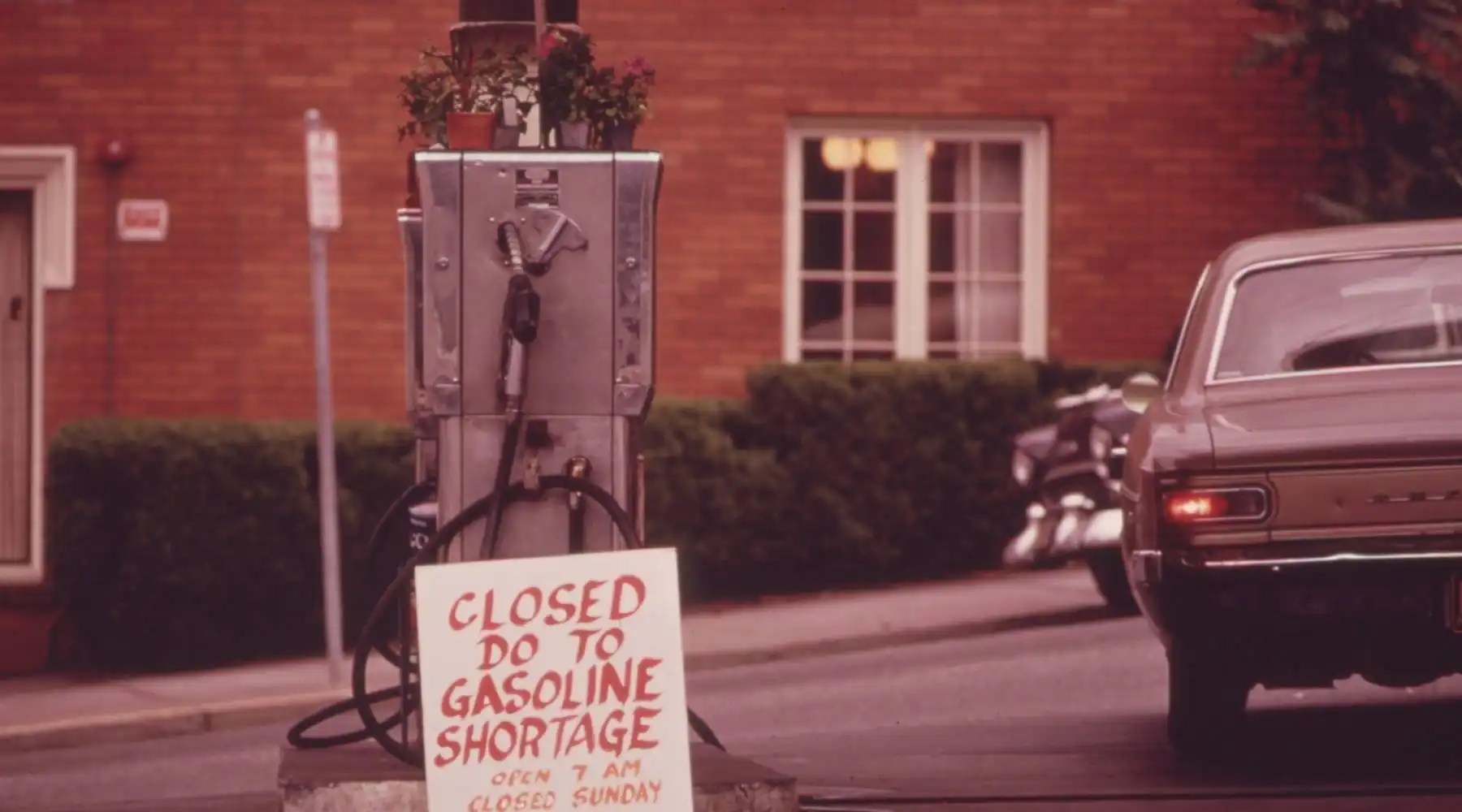
  • A gasoline shortage in Portland, Oregon, back in June 1973.
    Wikimedia Commons

    Financial turmoil during this period had some long-lasting effects on the Federal Reserve.

  • Then and now: Syrian refugees reflect on their lives
    Reema Khrais/Marketplace

    They found new homes in Turkey, along with frustration, resignation and hope.

  • Sep 5, 2018

    What happens when we’re transparent about what we make and spend

    by Phoebe Unterman and Kai Ryssdal
    What happens when we’re transparent about what we make and spend
    Spencer Platt/Getty Images

    Refinery29's Money Diaries series aims to upend taboos around money for women.

  • This "robotic bartender" is one of the several attractions at Two Bit Circus, a place that's trying to reinvent the feel of old-fashioned carnivals ... but with a touch of the digital age.
    Adriana Cargill/Marketplace

    (Markets Edition) Players of the market are working their way around the news that America sent away more than it brought in during July. The trade deficit has widened to its largest gap in five months, and there’s possibly more to it than trade. The chief global strategist at J.P. Morgan Funds told us more. Also, U.S. Secretary of State Mike Pompeo is heading to Pakistan on Wednesday to meet with its new prime minister, but also to urge the country to do more to counter extremists. This comes after the U.S. denied an aid package to Pakistan. Then, we look at the Two Bit Circus, a micro-amusement park that fuses some old-school carnival fun with new-age tech. Today’s show is sponsored by Avast (avast.com), Indeed (indeed.com/marketplace) and Navy Federal Credit Union (navyfederal,org/flagship). (09/05/2018)

  • This "robotic bartender" is one of the several attractions at Two Bit Circus, a place that's trying to reinvent the feel of old-fashioned carnivals ... but with a touch of the digital age.
    Adriana Cargill/Marketplace

    Giant theme parks often compete for visitors with ever bigger attractions and wilder rides. But in California, one amusement company thinks smaller is better. Two Bit Circus is trying to reinvent old-fashioned carnivals by opening a so-called “micro-amusement park.” The 50,000 square foot park can fit up to 700 visitors. It’s a gamble in a […]

  • An Indian security guard walks inside Amazon's largest Fulfillment Centre (FC) in India, on the outskirts of Hyderabad on September 7, 2017.
    NOAH SEELAM/AFP/Getty Images

    The company, which just reached $1 trillion in market value, is trying to tap into a market of 1.3 billion people.

  • Students pull a mock 'ball & chain' representing the $1.4 trilling outstanding student debt at Washington University in St. Louis, Missouri, in 2016.
    PAUL J. RICHARDS/AFP/Getty Images

    Student debt is topping $1.4 trillion dollars.

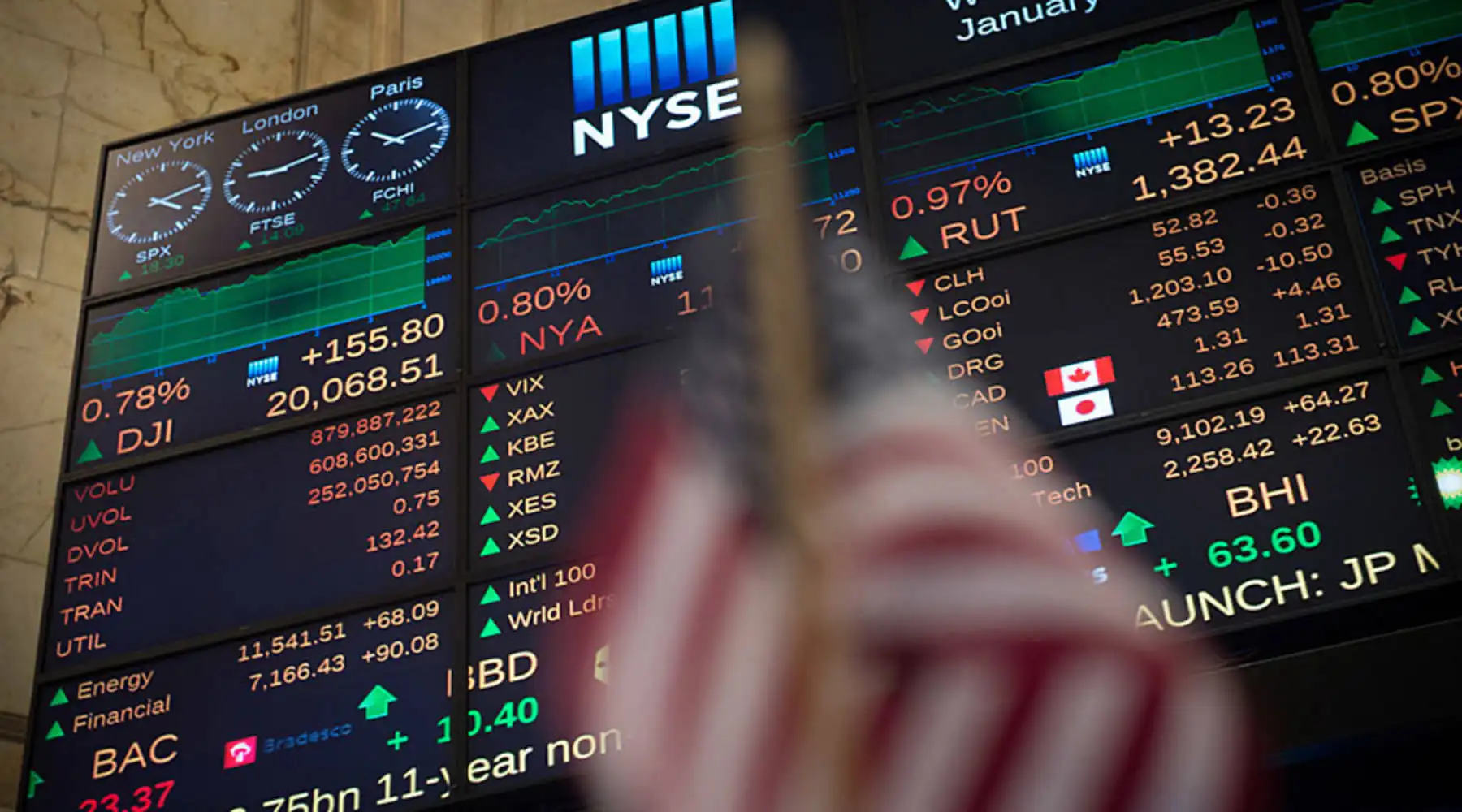
  • A video board shows the Dow Jones closing above 20,000 for the first time at the New York Stock Exchange on Jan. 25, 2017.
    BRYAN R. SMITH/AFP/Getty Images

    (U.S. Edition) Canadian and U.S. officials sat down Wednesday to talk trade and perhaps find solutions to their many – many – differences with a potential NAFTA overhaul looming. Canadian Prime Minister Justin Trudeau isn’t giving ground on some key issues. Also, with student debt piling up to $1.4 trillion, Congress is preparing to vote on a bill that requires student borrowers to get financial counseling every year. The counseling can happen online or in-person. Then, we take a look at the form the global economy has taken 10 years since the financial crisis. Today’s show is sponsored by Avast (avast.com), Indeed (indeed.com/marketplace) and Navy Federal Credit Union (navyfederal,org/flagship). (09/05/2018)

  • Sep 5, 2018

    The global economy a decade after the financial crisis

    by David Brancaccio and Jonaki Mehta
    A video board shows the Dow Jones closing above 20,000 for the first time at the New York Stock Exchange on Jan. 25, 2017.
    BRYAN R. SMITH/AFP/Getty Images

    A McKinsey Global Institute report looks at what we learned and the risks we can expect moving forward.

  • Fishermen sort the scallop shells from the other things caught onboard a fishing boat on December 18, 2014 in Port-en-Bessin, northwestern France.
    CHARLY TRIBALLEAU/AFP/Getty Images

    (Global Edition) From the BBC World Service … After a meeting with the International Monetary Fund, Argentina is waiting for a decision on an advance loan of $50 billion. We hear how locals in Buenos Aires are dealing with economic hardship. Then, it’s been dubbed the scallop war – feuding French and British fisherman will hold talks in London to try and calm frayed nerves over rules governing scallop fishing in the English channel. Afterwards, tourist arrivals in Zimbabwe last year jumped 12 percent, but the country ranked just 114 out of 136 countries in an analysis by the World Bank of global tourism competitiveness. Efforts are underway to boost tourism businesses and the central bank recently introduced a $15-million dollar fund to support the industry. Today’s show is sponsored by Avast (avast.com), Indeed (indeed.com/marketplace) and Navy Federal Credit Union (navyfederal,org/flagship). (09/05/2018)

  • Companies are spending more time and money on ads that are gone in a day
    Josh Edelson/AFP/Getty Images

    Ephemeral marketing is a big trend in social media advertising. You may know it as “stories.” Snapchat started the idea with short video or picture updates that disappear after 24 hours. Instagram copied the feature successfully, and this summer announced it had 400 million daily users on Instagram Stories. Over a million brands are creating Instagram Stories, and according to numbers Facebook released back in May, agencies are investing about 8 percent of their digital marketing budgets in the form. Kate Talbot is a marketing consultant who wrote a book on using Snapchat for business in 2016. Marcus Collins is chief consumer connections officer at the Doner advertising agency. Both tell Molly Wood that branded stories are a hit with audiences, and their disappearing act increases the appeal. (09/05/18)

  • Social media "story" ads are gone in a day, but they’re getting more popular
    Josh Edelson/AFP/Getty Images

    The format is seen as "authentic," one marketer said.

  • Colin Kaepernick receives the SI Muhammad Ali Legacy Award during Sports Illustrated 2017 Sportsperson of the Year Show  at Barclays Center in New York City.
    Slaven Vlasic/Getty Images for Sports Illustrated

    What motivated the athletic-wear maker? It was a business decision, experts say.

  • A woman sits in a Las Vegas Monorail car with a Google ad prior to the CES 2018 on January 7, 2018 in Las Vegas, Nevada. 
    Alex Wong/Getty Images

    It’s time for tech’s largest platforms to own up to their bias, says mathematician Cathy O’Neil.

    Download
  • Sep 5, 2018

    The battle for small e-investors

    by Erika Beras
    The battle for small e-investors
    Justin Sullivan/Getty Images

    Big banks are slashing fees — or even eliminating them.

  • Neel Kashkari runs the Minneapolis Fed now, but 10 years ago he was in charge of the Troubled Asset Relief Program, also known as the bank bailout. We talked with Kashkari about how TARP architects put a pricetag on the bailout, how his life changed after the crisis and what Congress would do if another one hit. Then, why Nike chose Colin Kaepernick as the new face of Nike’s “Just Do It” campaign. Plus, what you need to know about political ads on Facebook.

  • A Lawson’s store in Lakewood, Ohio in 1975 (left), and a Lawson store in Tokyo’s Akasaka neighborhood in 2018. Even though the brand was founded in Ohio, there are zero Lawson stores in the continental U.S. today, and over 14,000 in Japan. 
    Special Collections, Cleveland State University Library & Adrian Ma/Marketplace

    The benefits of nostalgia.

  • The Trump administration’s 25 percent tariff on imported steel has triggered retaliation from U.S. trading partners such as Canada, the European Union, and China. But over the past few months, Japan, which has also been a target of U.S. tariffs, and which runs a $69 billion trade surplus with the U.S. (the third-largest trade imbalance […]

  • Neel Kashkari, former-interim assistant secretary for financial stability and assistant secretary for international affairs at the Treasury Department, waits for the start of the hearing by the Senate Banking, Housing and Urban Affairs Committee October 23, 2008, on Capitol Hill in Washington, D.C.
    Joshua Roberts/Getty Images

    Neel Kashkari on the 2008 financial crisis and what Congress would do if another crisis hits.

  • At a big investment conference in Beijing Monday, Chinese President Xi Jinping announced his country would pump another $60 billion into investment into Africa infrastructure. Sixty billion is a popular number in the foreign investment arena these days, it seems. Legislation working its way through Congress would combine several agencies to boost U.S. development financing […]

  • Amazon.com founder and CEO Jeff Bezos on June 18, 2014 in Seattle, Washington.
    David Ryder/Getty Images

    Apple was the first.

  • A plane.
    Bruce Bennett/Getty Images

    Fuel prices are on the rise, and that’s a problem for budget airlines that need fuel  prices to stay low so they can keep ticket prices competitive. Fuel can account for up to 25 percent of airline operating costs, so it’s a big expense, but one that’s easier for the larger airlines to absorb. Smaller […]

  • Survey points out how many people favor a five-hour work day
    Win McNamee/Getty Images

    (Markets Edition) August was a solid month for U.S. stocks, but September has been historically rough. On Tuesday, the Dow came down 100 points. Is September to blame? Also, the Consumer Financial Protection Bureau just lost its watchdog for student loans, Seth Frotman. He said the U.S. wasn’t doing enough to protect the more than 40 million Americans dealing with student debt. He leaves at a time where scam artists are targeting that debt-ridden group. Then, a survey from HR/tech company Kronos finds that lots of people think they can do their day’s work in five hours instead of eight. Today’s show is sponsored by Avast (avast.com), Emma (myemma.com), Indeed (indeed.com/marketplace) and Michigan Economic Development (planetm.com). (09/04/18)

  •  School teacher Judy Lindsey shops for back-to-school items in a Wal-Mart store July 28, 2003 in Rolling Meadows, Illinois. 
    Tim Boyle/Getty Images

    Back-to-school time is the second biggest shopping season of the year.

  • Five-hour work day anyone? Employees say they could get plenty done in that time
    Win McNamee/Getty Images

    A Kronos Workforce Institute survey asks people about their productivity and time off.

  • Social media companies to talk foreign influence in Washington
    Sean Gallup/Getty Images

    (U.S. Edition) Social media companies will be participating in hearings on Wednesday to testify about foreign influence – specifically the version U.S. officials believe happened in the time leading up to the 2016 elections. Also, there’s more trade news, this time with the U.S. offering Europe an offer around U.S. beef imports. There’s history behind a quota meant to aid the U.S. cattle industry after European limits were found to violate trade rules. Then, the Trump administration’s 25 percent tariff on imported steel has led to retaliation from several nations, but one has been relatively quiet: Japan. Today’s show is sponsored by Avast (avast.com), Emma (myemma.com), Indeed (indeed.com/marketplace) and Michigan Economic Development (planetm.com). (09/04/18)

  • China's President Xi Jinping (C) walks with South Africa's President Cyril Ramaphosa (centre L) as they attend the Forum On China-Africa Cooperation - Round Table Conference at the Great Hall of the People in Beijing on September 4, 2018.
    Lintao Zhang / POOL / AFP

    (Global Edition) From the BBC World Service … As the U.S. and China continue to ratchet up their trade war, China is fostering better relations in Africa. We hear from one of Kenya’s richest men and best-known entrepreneurs about what the investment from the world’s second-largest economy has meant for business in Kenya. Then, after new austerity measures were unveiled in Argentina on Monday, the country’s finance minister heads to Washington to try and secure an early release of a multi-billion dollar loan from the IMF. We’ll explore why the meeting is so important for both sides. Afterwards, LEGO has been hurt this year by a challenging retail environment and the closure of storied Toys ‘R’ Us. But one expert says there’s still life for the classic block maker. Today’s show is sponsored by Avast (avast.com), Emma (myemma.com), Indeed (indeed.com/marketplace) and Michigan Economic Development (planetm.com). (09/04/18)

  • A new toolkit to help tech companies be more ethical
    Sean Gallup/Getty Images

    Facebook, Twitter and Google have been invited to Capitol Hill to testify Wednesday in hearings about possible bias on their platforms. The companies have all been pledging to do better in recent months. But their platforms have been used, in some cases, to undermine democracy, incite violence and spread hate speech, among other ills. Jane McGonigal is a game developer and researcher at the Institute for the Future. That group, partnered with others, just released an online toolkit that they call an “ethical operating system.” It includes questions and exercises to help aspiring Googles and Facebooks “not be evil.” Molly Wood spoke with McGonigal about how it could help tech companies create more ethical products. (09/04/18)

  • A new toolkit to help tech companies be more ethical
    Carl Court/Getty Images

    Tech giants keep struggling to understand how their platforms affect society. A game designer has a new solution.

  • The pro football regular season starts on Thursday. In the past couple of weeks alone, we’ve seen the National Football League’s elite players sign contracts worth hundreds of millions of dollars. But it’s not guaranteed that the players will actually receive all that money.

  • Sep 4, 2018

    Why the former education secretary says "education runs on lies"

    by Amy Scott and Maria Hollenhorst
    Then-Secretary of Education Arne Duncan meets with student chefs during a high school culinary contest in 2012.
    Alex Wong/Getty Images

    There's a disconnect between politicians' words on education and their actions, says Arne Duncan.

  • Sep 4, 2018

    Social media bosses in the hot seat again

    by Nancy Marshall-Genzer

    On Wednesday, top social media executives will testify at a Senate Intelligence Committee hearing on what social media platforms are doing to prevent meddling in US elections. But what have they done already? And how is the search for online security affecting their bottom lines?

  • On Wednesday, Canadian and U.S. negotiators head back to the negotiating table for discussions on overhauling the North American Free Trade Agreement (NAFTA.) Over the weekend, President Trump tweeted that there was no need to keep Canada in the deal and he warned he might terminate it altogether. Then yesterday,  Richard Trumka, the leader of […]

  • No days off NAFTA talk
    Drew Angerer/Getty Images

    Trade talks with Canada resume Wednesday, and the stakes of a NAFTA agreement without Canada are high — trade between the two countries is worth $670 billion. But that’s not in line with what the President tweeted over the weekend, which stoked a debate over Canada’s inclusion in NAFTA. We’re also looking ahead to this week’s Senate Intelligence Committee hearing beginning Wednesday where social media executives will be in the hot seat talking about what they’re doing to prevent meddling in U.S. elections. Plus, back-to-school is fully in swing, so we continue our conversation with former Education Secretary Arne Duncan on how the education policy landscape has changed. And … a look into what your internet service provider knows about you.

  • Activists march to Senate Hart Office Building June 25, 2018 on Capitol Hill in Washington, DC. Common Cause, American Promise, Take Back Our Republic and Represent Us and Fix It America co-hosted an event and visits to congressional members from New Mexico to urge the Congress to support 'the Fix It America Constitutional Amendment to reign in the influence of big money in politics and curb the abuses of gerrymandering in the redistricting process.'
    Alex Wong/Getty Images

    The Labor Day weekend signals the last campaigning and fundraising push before the midterm elections.

  • Activists march to Senate Hart Office Building June 25, 2018 on Capitol Hill in Washington, DC. Common Cause, American Promise, Take Back Our Republic and Represent Us and Fix It America co-hosted an event and visits to congressional members from New Mexico to urge the Congress to support 'the Fix It America Constitutional Amendment to reign in the influence of big money in politics and curb the abuses of gerrymandering in the redistricting process.'
    Alex Wong/Getty Images

    (Markets Edition) British Prime Minister Theresa May is doubling down on Brexit, saying that any compromises or ideas of a new referendum on the UK’s planned exit from the EU wouldn’t be in her nation’s best interests. Also, the S&P 500 will be reclassifying Facebook and Alphabet, which is the parent company of Google. They’ll be shifting from the tech section of the index, which affects investors. Then, we look at how Labor Day weekend signifies a final political campaigning and fundraising push before the midterm elections, and how that battle is heating up in state legislatures. Today’s show is sponsored by Indeed (Indeed.com/marketplace), Simple Contacts (simplecontacts.com/marketplace) and U.S. Bank (usbank.com/altitude). (09/03/2018)

  • A person holds up a U.F.W. sign during U.S. President Barack Obama's announcement of the Cesar E. Chavez National by in honor the late Latino farm worker and labor and civil rights activist on October 8, 2012 in Keene Kern County, California.
    Kevork Djansezian/Getty Images

    Teresa Romero is also the first immigrant woman to lead a national union. She talked to Kimberly Adams about a variety of topics before she steps into the role in December.

  • Sep 3, 2018

    Labor Day, meh? You’re not alone

    by Renata Sago
    People head for trains in Grand Central Terminal as thousands of New Yorkers depart the city for Labor Day weekend on September 1, 2017 in New York City. One of the busiest travel days of the year, roads and trains are often packed to capacity as people look to enjoy the last summer weekend. 
    Spencer Platt/Getty Images

    Now that classes start mid-August for many schools in the United States, Labor Day weekend is less of a “Goodbye, sweet summer!” thing. Even the AAA has stopped predicting a traveler’s forecast. Click the audio player above to hear the full story. 

  • A person holds up a U.F.W. sign during U.S. President Barack Obama's announcement of the Cesar E. Chavez National by in honor the late Latino farm worker and labor and civil rights activist on October 8, 2012 in Keene Kern County, California.
    Kevork Djansezian/Getty Images

    (U.S. Edition) Monday might have been the Labor Day holiday for Americans, but it’s business as usual in China. The Chinese president will be meeting with African leaders at a summit in Beijing while also encouraging Chinese businesses to invest no less than $10 billon on Africa in the next three years. Also, the United Farm Workers elected Teresa Romero as its first female president, and she’s also the first immigrant woman to lead a national union. Then, we move to the perceived end of summer. It used to be Labor Day, but earlier starts for schools changed that. We examine how that shift affects Labor Day travel and tourism. Today’s show is sponsored by Indeed (Indeed.com/marketplace), Simple Contacts (simplecontacts.com/marketplace) and U.S. Bank (usbank.com/altitude). (09/03/2018)

  • Currency from the Banco Centrar de la Republica de Argentina. What recourse do creditors have when a sovereign nation decides not to pay its debt? A case study on that question is playing out in U.S. courts.
    Manu Contreras / Creative Commons

    (Global Edition) From the BBC World Service … To stem its ongoing currency crisis, Argentina is set to unveil a new round of spending cuts as its finance minister heads to Washington to try and secure a deal for quicker IMF payments. Investors are closely watching any new developments, but what does it all mean for local businesspeople trying to make a living? Then, 10 years after the global financial crisis, people are still struggling with debts – but now they’re “smaller and trickier,” according to new figures from a British charity that helps those dealing with financial problems. Today’s show is sponsored by Indeed (Indeed.com/marketplace), Simple Contacts (simplecontacts.com/marketplace) and U.S. Bank (usbank.com/altitude). (09/03/2018)

  • Taco Bell celebrated the return of nacho fries and the "Demolition Man" 25th anniversary with a futuristic dining experience at Greystone Prime Steakhouse & Seafood on July 19, 2018 in San Diego, California.
    Araya Diaz/Getty Images

    Labor Day is the perfect day for the last installment of our summer entertainment series. The movie “Demolition Man” is set in 2032. It portrays a utopian society with no crime or bad thoughts. Sandra Bullock plays a rookie future cop. Wesley Snipes is a supervillain on the loose. And Sylvester Stallone is the old-school violent cop brought out of cryostasis to hunt him down. Its 1993 tech predictions were solid. It had self-driving cars, video conferencing, voice-activated technology and even touch-screen tablets. Amy Webb is a futurist and professor of strategic foresight at New York University’s Stern School of Business. And she also consults on future tech for movies and TV. Molly Wood asked her how well “Demolition Man” did at predicting the future. (09/03/18)

  • Taco Bell celebrated the return of nacho fries and the "Demolition Man" 25th anniversary with a futuristic dining experience at Greystone Prime Steakhouse & Seafood on July 19, 2018 in San Diego, California.
    Araya Diaz/Getty Images

    Autonomous vehicles, tablets, video conferencing — the 1993 flick made some good calls.