Marketplace®
Every story is an economic story
  • Good evening… Online, I see a lot of different viewpoints on the soundness of dipping into my 401k to purchase my first home. I would like to hear what the Marketplace Money opinions are on this action given my specific economic situation. I am a 29 year old male 1 year out of business school. I have a solid job as a trading analyst on an electric trading floor for the major utility here in CO. I make a base salary of ~80k a year with an option to land another 7-10k in bonus season if its a good year for the company. Last year, I was especially lucky and was given an additional bonus that allowed me pay off all my student debt, which was roughly $15k. So with no outstanding long-term debt, I am debating on purchasing a house for the first time. I have $5k tucked away in a money market fund that is earning zilch but I am using that as my emergency fund so dont want to touch it. Other than that I have roughly $3k in savings rights now and accumulate about $1500 in savings each month after accounting for my rent and living expenses. the denver real estate market is a little bonkers right now but i think it will cool down in 6 to 12 months and want to be ready to strike when opportunities presents itself. To throw another wrench in the equation my sister wants to go in on this as well with me. She has roughly $20k tucked away and is already a home owner. To make things more complicated, I am in the middle of the CFA program and would be looking at the high possibility of relocating in 2-3 years if I were to land a job promotion at another firm. So I dont know if it would be best to sell the property, hold on to it and rent it out while living out of state, or just not buying in the first place. Not sure on what all the tax implications are w/ and w/out the 401k loan thrown into the mix. Any thoughts? Thanks.

  • Jun 14, 2013

    Any budgeting software recommendations?

    by Marketplace Staff

    I've just completed my graduate program studies and landed a job. I'd like to reevaluate my budget, now that I'm not longer a student, but I want to find competitive, user-friendly budget software that is compatible with Mac and allows me to manage all accounts in one place (checking/credit/money market/ira). Any help would be greatly appreciated!

  • Jun 14, 2013

    When should I sell my home?

    by Marketplace Staff

    I am thinking of selling my home to move to a new home in a better school district. I expect we will make a healthy profit off our existing home, but when we buy a new home, I don't know if we will be able to buy a home for the same amount we will sell our current home for. Does it make sense to sell now?

  • Britain is coning under pressure to rein in its overseas territories in the Caribbean which many say are a base for tax evasion and storing illicit profits.

  • Revelations that some tech companies have been turning over our data to the government — however reluctantly — has put Silicon Valley under a microscope.

  • This is going to be my first interview and it is tomorrow! I need some advice to calm my nerves, anything will be greatly appreciated. The company is Ocean Spray and it is for a junior engineering position.

  • This weekend, we’re talking about what we spend our money on, what we save it for, and who we give it to. More than 88 percent of households in the U.S. donate to charity, but all that money may not be going where you think it is. We offer a look at America’s worst charities. Plus, how important is mindful consumption to you? We speak with two consumers who put their money where their morals are. Also, what’s the cost of helping your kids stand out? Some parents are willing to spend anything. We explore the costs and benefits of investing in kids. And for the bargain shoppers: More dollar stores are popping up everywhere these days. But what’s a good buy for a buck and what’s not? Finally, a letter encouraging financial independence from a dad to his son in honor of Father’s Day.

  • Happy Birthday — to copyright? Documentary filmmaker Jennifer Nelson is challenging the copyright to the happy birthday song after being  asked to pay $1,500 to use the tune in her film. And we wrap up our series on the consumer economy by looking at opportunity cost and the value of things.

  • iStockPhoto

    A new investigative report reveals that many popular charities Americans give to generously actually don't help the causes they claim to raise money for.

  • The ten-year T-note is above two percent, but some are concerned this might mean the end of quantitative easing in the near future.

  • Is spending to give your kids a leg-up worth it? How much would you be willing to sacrifice?

  • Marketplace host Kai Ryssdal comparison shops for a pair of new running shoes.
    Kenneth Brown/Marketplace

    Every once in a while we like to take a step back and look at the big picture. This week, the Sustainability desk did just that with "Consumed."

  • Jun 14, 2013

    Economic value check: How much is enough?

    by Adriene Hill and David Weinberg

    Can we afford the consumer economy? Yes, but there are costs. And not all of them have dollar signs attached. Let's talk about values.

  • Jun 14, 2013

    Who owns the happy birthday song?

    by Mitchell Hartman

    Documentary filmmaker Jennifer Nelson is challenging the copyright to the happy birthday song after being asked to pay $1,500 to Warner Music to use the tune in her film.

  • Helping your kids to stand out in the eyes a college admissions officer takes a lot — usually that means a lot of money. But before you spend beaucoup bucks on private tutors and athletic coaching, do a quick cost-benefit analysis of whether those investments will really pay off.

  • Are you a dollar store deal hunter? Turns out, even though the products are only a buck, they're not always good buys.

  • This is a Marketplace.org Reader

  • Jun 14, 2013

    By the Numbers: Consumed Day 5

    by Mary Dooe

    This is a Marketplace.org Reader

  • Jun 14, 2013

    Inside the minds of mindful consumers

    by Adriene Hill

    Mindful consumers put their money where their morals are, but it's not an easy task for those with limited financial resources as two of our listeners reveal.

  • Microsoft is finally delivering a mobile version of it's Office software to the iPhone today. So what took them so long?

  • Markets thy name is volatility. Over the past month, how much value has been lost on stock markets around the world?

  • Is market volatility all a misunderstanding. Latinos in California feel pretty good about health care reform. And how do Mother's Day and Father's Day compare when it comes to spending on gifts?

  • New Jersey CPA Tom Corley, author of the book "Rich Habits," graciously shared the words of wisdom he gave to his son about how to achieve financial independence.

  • Jun 14, 2013

    Why markets are so volatile right now

    by Mark Garrison

    Part of what’s moving traders is uncertainty about the Fed’s next moves. But a number of key factors around the world have investors bracing for more sharp peaks and deep valleys.

  • Jun 14, 2013

    A real life ‘quantum leap’

    by Molly Wood

    Chinese scientists say they have bounced single photons of an orbiting satellite and detected them back on on the Earth's surface. Next step, quantum teleportation.

  • Google says it has found evidence the Iranian government is spying on its citizens. The tech giant suspects the Iranian government is trying to head off any political unrest by looking at citizens' email correspondence.

  • Nationwide, skepticism over the Affordable Care Act is persistent. But according to a poll conducted by the Spanish language broadcaster Univision, Latinos in California have a much more positive take new health care law.

  • Many of America's 8 million underemployed are young — of the Millennial generation — and they are just getting by by working several part-time gigs at a time.

  • Jun 14, 2013

    Airbus A350 learns lessons from 787 struggles

    by Stacey Vanek Smith
    Airbus's next-generation A350 plane about to take off from Toulouse-Blagnac airport, southwestern France, on its first test flight on June 14, 2013.
    ERIC CABANIS/AFP/Getty Images

    The launch of the A350 comes months after Boeing's Dreamliner, and proves the benefits of going second when it comes to innovative technology.

  • Iran’s economy is likely to be a major election issue, as the country faces crippling international sanctions, 30 percent unemployment, and soaring inflation.

  • Why do Major League Baseball games take so long to play these days? Because the Oakland A's found that the best way to produce runs is to draw a lot of walks. So baseball became a game of hitters waiting out pitchers.

  • According to the current Consumer Price Index, the inflation rate is zero percent. But for many people, their cost of living doesn't reflect the data's averages.
    401(K) 2012 / Creative Commons

    Before we answer the question of whether we can afford the consumer economy, we have to know how much we're spending.

  • Revelations about NSA collection of phone and online data has caused some Americans to change their habits. An example? A jump in the use of search engines that promise more privacy.

  • Jun 14, 2013

    Writing a better college essay

    by Ron Lieber

    Parents spend a lot of money to help their kids get into college. But students also have to write a great admissions essay. We've got some tips on helping your college admissions essay stand out.

  • Voters in Iran go to the polls today to pick a new president — what does it mean for their economy? The Airbus A350 jumbo jet makes its maiden flight today. It’s Airbus’ answer to rival Boeing’s ill-fated 787 Dreamliner, which broke ground on aerodynamics and fuel efficiency four years ago. And we take a look at the ‘Moneyball’ economy.

  • We’ve been talking a lot about privacy, surveillance, and the transfer of information this week. But here’s a related headline you may have missed: Chinese scientists claim to have bounced single photons off an orbiting satellite and detected them back on the Earth’s surface. So what? Well, that’s something to cross off the list in the scientific race for what’s called quantum teleportation. 

    Download
  • At its two-day meeting next week, the Federal Reserve Board may indicate whether it will begin 'tapering' its quantitative easing program.

  • Marketplace Money listener J. Larson explains how he and his wife managed to get out of debt, then in, then out again.

  • Economists us the term "opportunity cost" all the time. Do you know what it means? 
    Marketplace

    Economists love to use the term "opportunity cost." In fact, you've probably heard it before. But what is it exactly? Senior producer and Whiteboard expert Paddy Hirsch explains.

  • You think our housing collapse was bad? Try thinking about what the homesteaders went through 100 years ago. Our series looking at the consumer economy continues. Also, the Supreme Court decides that human genes can’t be patented. 

  • Ted Benna was a pension consultant who noticed a new tax code provision, K, added to Section 401. He never intended the retirement plan that resulted to replace pensions or become so complicated.

  • Turkey's economy under prime minister Recep Tayyip Erdogan has grown steadily, giving him the support of many businesses.

  • We're surrounded everywhere by products to buy, services to pour money into, and dreams of a better life through consuming.
    Kenneth Brown/Marketplace

    This is a Marketplace.org Reader

  • Jun 13, 2013

    By the Numbers: Consumed Day 4

    by Mary Dooe

    This is a Marketplace.org Reader

  • Jun 13, 2013

    Yahoo will give you your name back

    by Mark Garrison

    Yahoo is giving you a shot at reclaiming your good name. It’s shutting down accounts that have been dormant for more than a year, meaning a pile of usernames will soon be available for the taking in mid-July.

  • This is a Marketplace.org Reader

  • Jun 13, 2013

    PODCAST: Toilet humor begone?

    by David Brancaccio

    Carnival's Triump re-launches. An egg battle hatches into a debate about states' rights. And U.S. spying on EU citizens.

  • Jun 13, 2013

    Can my DNA be patented? No, say justices

    by Nancy Marshall-Genzer

    The Supreme Court’s ruling appears to be a serious blow to the business model of bringing to market products derived from naturally occurring DNA.

  • Jun 13, 2013

    Discount stores lead retail sales lift

    by Diane Swonk

    Retail sales were up 0.6 percent in last month. Cars and discount stores did well in May, while department stores dragged.

  • The Obama Administration successfully lobbied the EU to do away with a proposed data privacy measure, according to a report in the Financial Times. The exclusion would make it easier for the U.S. to spy on EU citizens.

  • Wall Street bankers are catching on to Snapchat, an app which allows user to send photos and other messages that self-destruct in a seconds.

  • Jun 13, 2013

    License, registration…and cellphone

    by Molly Wood

    A state lawmaker in New Jersey has proposed a bill to allow law enforcement to confiscate a phone if they have "reasonable grounds" to believe it contributed to a crash.

  • A battle is brewing over a California law that requires laying-hens to be given more space in the coop. Other egg-producing states want to override the law’s requirement.

  • Accountable care organizations are supposed to be one of the money-saving saviors of health care reform, but some fear they could drive prices up.

  • Can we really save for retirement in this consumer economy? There's plenty of advice. Try to follow it.

  • Jun 13, 2013

    Hacking storm recovery in the Rockaways

    by Ben Johnson

    A group called Rockaway Help brings together engineers and residents to hack storm recovery and protection in the New York region.

  • Carnival's sullied cruise ship Triumph relaunches today. Can the ship bounce back after its public relations disaster earlier this year?

  • Railroads lured homesteaders to Montana with ads that made the dry plains look like lush English countryside. Banks offered easy money, the settlers loaded up with loans — and drought set in.

  • Check out our side-by-side comparison of these two booms and busts nearly a hundred years apart… make your own comparisons.

  • Allegations the NSA has hacked networks in Hong Kong and China are generating a big reaction among China’s state-run media. Accountable care organizations are supposed to be one of the money-saving saviors of health care reform, but some worry they could drive prices up. And a look back at housing bubbles past.

  • New York City Mayor Michael Bloomberg has laid out a $20 billion plan for fortifying his city from future giant storms like Sandy. The plan includes everything from installing storm surge barriers to setting resiliency requirements for telecom providers. Whether and when these 250 recommendations will be implemented remains to be seen. But some of the city’s tech-minded residents aren’t waiting around. And, behold, the Facebook hashtag is upon us.

    Download
  • The new edition of the Diagnostic and Statistical Manual now lists caffeine withdrawal.

  • Allegations that Hong Kong and China were among tens of thousands of targeted networks by the NSA have generated a big reaction in Beijing and among China's state-run media.

  • Google, Microsoft and Facebook are calling on the U.S. government to reveal how often they get national security requests for information. The Internet companies are fighting the perception they were willing participants in the National Security Agency’s widespread monitoring of electronic communications. Also, Pandora buys a small radio station South Dakota for what it hopes are big savings. And our “Consumed” series continues, as we delve deeper into the half-life of the consumer economy.

  • The tech companies' sudden, overt concern about transparency in government surveillance may be as much about protecting themselves as consumers.

  • Freakonomics' Stephen Dubner has yet another reason to blame your parents for pretty much everything.

  • This is a Marketplace.org Reader

  • "Sleepless in Seattle" producer Lynda Obst explains why studios can't stop making sequels.

  • The music-streaming company Pandora has bought a small radio station in South Dakota. Owning a radio station could allow Pandora to pay smaller royalties that apply to… radio stations.

  • Kids aren't the only ones with summer reading lists.
    Photo by Lisa Maree Williams/Getty Images

    Didn't get enough of our coverage of the consumer economy? Here's a list of books and articles our reporters and producers went to to get answers about how and why we spend.

  • It's been tried before, but a new generation of companies is hoping that manure will become the next solar.

  • What’s the dumbest investment you’ve ever made?
    iStockPhoto

    This is a Marketplace.org Reader

  • Jun 12, 2013

    By the Numbers: Consumed Day 3

    by Mary Dooe

    This is a Marketplace.org Reader

  • Grading newspaper paywalls. What's a company to do when the government requests its data? And tips to protect yourself from life insurance fraud.

  • The government is suing BMW and discount retailer Dollar General, saying their use of criminal background checks unfairly discriminates against African Americans.

  • Jun 12, 2013

    Interest rates up, will home prices follow?

    by David Brancaccio

    In a few weeks, the accounting quarter ends and then the emails and envelopes start arriving with results. For those with bonds, it might not be pretty.

  • First there was the rigging of the interest rate known as LIBOR. Now there may be collusion on currency exchange rates.

  • How do you protect you and your family from fraud or insurer mistakes?

  • In the past few days, Turkey's Prime Minister has lashed out against members of the business community — among others — for supporting the protests. How are they responding?

  • The American Civil Liberties Union has filed a lawsuit against the U.S. government over its collection of phone data. And what can you do personally to protect your data?

  • Jun 12, 2013

    Washington Post puts up paywall

    by Queena Kim

    The Washington Post is erecting a paywall. It’s one in a long list of newspapers that are trying this business model. So, how's it working out for them?

  • Jun 12, 2013

    Google gets its Waze, boosts map data

    by Molly Wood

    Google has confirmed it will acquire the social mapping startup Waze. The news comes after intense reported interest from Apple and Facebook.

  • People in their 20s are often stuck in part-time and temporary jobs. The loss of income in their first working years could affect them much of their lives.

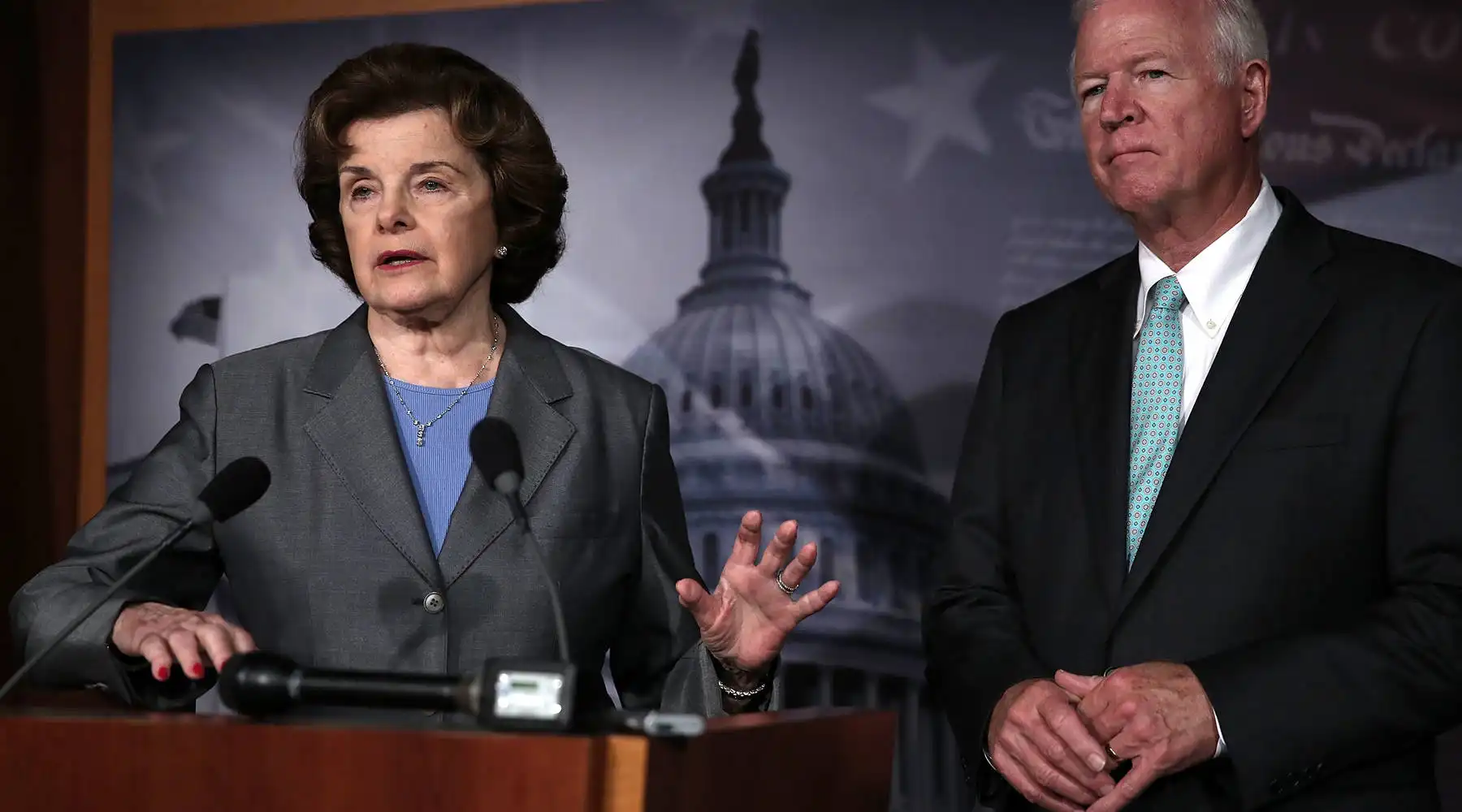
  • Chairman and Vice Chairman of the U.S. Senate Select Committee on Intelligence, Sen. Dianne Feinstein (D-CA) Sen. Saxby Chambliss (R-GA) speak about the National Security Agency (NSA) on June 6, 2013 in Washington, DC.
    Alex Wong/Getty Images

    The public companies named in the NSA's surveillance program have shareholders, consumers and pressure to comply with government requests for information. So what pros and cons are they weighing?

  • To cut corners and increase profits, businesses are increasingly hiring more part-time or temporary workers. But that plan may backfire, when those workers become consumers who don't want to spend.

  • Our economy creates a growing number of part-time and temporary jobs. That means more insecure workers — and consumers — who can't plan for the future.

  • In Turkey, Prime Minister Erdogan has lashed out against the business community for supporting protesters. People in their 20s are often stuck in part-time and temporary jobs. How does the loss of income in their first working years affect the rest of their life?. And the NSA surveillance story has been good to one author: George Orwell.

  • Google has confirmed it will acquire the mapping and traffic app Waze. The news comes after reports of intense interest from Apple and Facebook. Unnamed sources put Google’s offer at over a billion dollars. And, a thing you never would have imagined was useful: cockroach mind control. A company is selling tiny electrode systems that use small electronic pulses to tell roaches they’ve hit something with their feelers and to go the other way.

    Download
  • For 150 years, the official Navy communications system only allowed FOR ALL CAPITAL LETTERS.

  • We continue our special “Consumed” series from the Sustainability Desk, exploring whether we can really afford all the things we’re buying. Today we focus on the technique of ‘upselling’ — companies getting you to buy something you don’t actually want. Also, we look at how much a secret security clearance is worth to your career … And the cost of the immigration debate.

  • E-cigarettes offer brave new world for smokers and cigarette makers
    Reuters

    E-cigarette sales are still only a fraction of the total cigarette market. But that share is growing steadily — tobacco companies and others are taking notice.

  • Jun 11, 2013

    By the Numbers: Consumed Day 2

    by Mary Dooe

    This is a Marketplace.org Reader

  • Resumes tell employers what you bring to the job. Job postings say what employers want. Often, it's flexibility. One ad: "Requires morning, afternoon and evening availability any day of the week."
    iStockPhoto

    This is a Marketplace.org Reader

  • The use of government contractors involved in surveillance work has grown tremendously since 9/11. How big is this business?

  • Jun 11, 2013

    The value of a spy-quality resume

    by David Gura

    The number of private sector employees with government security clearance has rapidly grown in recent years. So what does having a government security clearance get you, financially and otherwise?

  • As the Senate debates a significant overhaul to our nation's immigration laws, special interest groups are wading into the fight. Advocates and opponents of immigration reform are spending on TV ads and lobbying.

  • Former surveillance contractor Edward Snowden is on the run, but how does a fugitive finance life on the lam?

  • E-cigarette business boom creates smoker’s dilemma
    Christopher Furlong/Getty Images

    E-cigarette sales are booming. But some customers are still conflicted about smoking them, even though they lack the health and environmental hazards of tobacco.

  • This is a Marketplace.org Reader

  • This is a Marketplace.org Reader