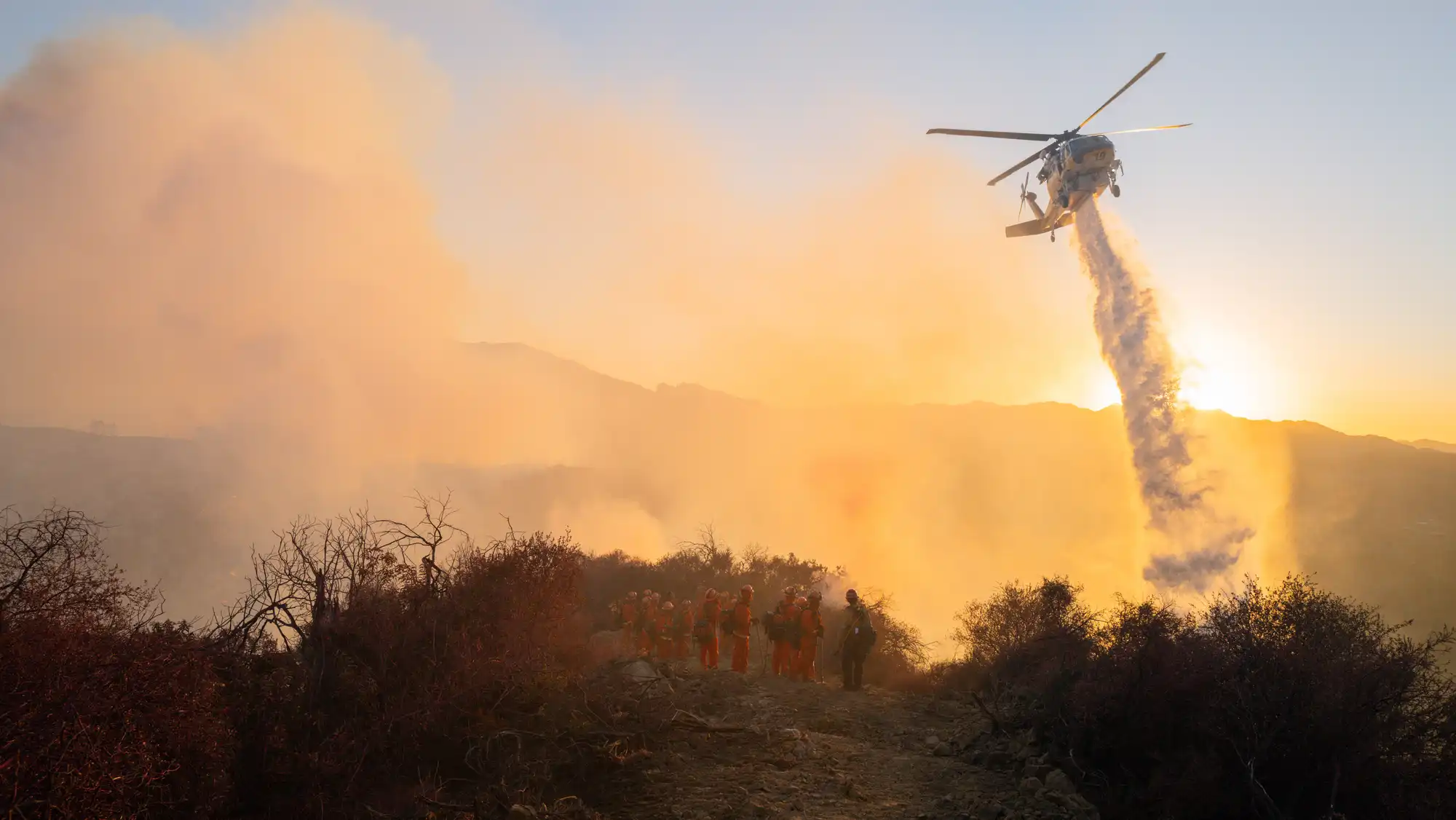
Launched as a volunteer-sourced wildfire tracking app in Northern California, Watch Duty has integrated a wide range of data and expanded to more than 20 states. Chief Tech Officer David Merritt explains how he and his colleagues created a unique service.
Michael Donihue, interim director of the Davis Institute for AI at Colby College, says professors have been leading the conversation about the use of the technology in academia, approaching the tool with an open mind.
The “effective accelerationism” ideology emerged as a response to pessimism and a source of pride in what the industry creates, says writer Nadia Asparouhova.
The outgoing president tightened oversight on antitrust issues and artificial intelligence, though he funded an expansion of domestic chip production. Today, many tech leaders are celebrating with Trump at the inauguration.
Cyrus Farivar of Forbes explored how the power of nature overwhelmed the AI-powered network of sensors. But as wildfire damage increases across the country, the emerging “fire tech” field is working on solutions, he explains.
Steve Grobman, chief technology officer at cybersecurity firm McAfee, reports that opportunists are using AI and other tech to deceive and rip off good Samaritans.
Apate AI CEO Dali Kaafar explains how his company’s chatbots are stopping phone scammers before they reach a real human and extracting as much information as possible to learn about what scams are out there.
Joanna Stern, senior personal technology columnist at The Wall Street Journal, joins Marketplace’s Meghan McCarty Carino for “Tech Bytes: Week in Review.”