The Department of Government Efficiency has been accused of potentially violating federal privacy law by accessing Department of Education information without prior consent. Kevin Frazier, contributing editor at Lawfare, says there are many other ways to use AI for government efficiency without breaching privacy law.
Jack Cushman, director of the Harvard Library Innovation Lab, has been preserving sites and data that went dark after executive orders from President Trump. He underlines the importance of keeping digital copies or risk parting with “our cultural memory.”
Sarah Kunst, managing director at Cleo Capital, foresees a culture clash as VCs take on prominent Trump administration roles. She points out that they’re used to having a few big winners while most investments fall by the wayside.
Even famed tech companies like Netscape and Friendster that pioneer product categories can lose their dominance to new rivals. Historian Margaret O’Mara examines whether the Chinese upstart can dislodge OpenAI and Anthropic from leadership of a still nascent but already lucrative field.
Meghan Bobrowsky, tech reporter at The Wall Street Journal, has been following Big Tech’s bets on data centers and on their infinite need to power all types of technologies, not just AI.
Licensing boards are slow to adapt to technology, limiting the public’s access to valuable services, argues Rebecca Haw Allensworth, author of “The Licensing Racket.” To modernize their fields, she says, gatekeepers need a new mindset.
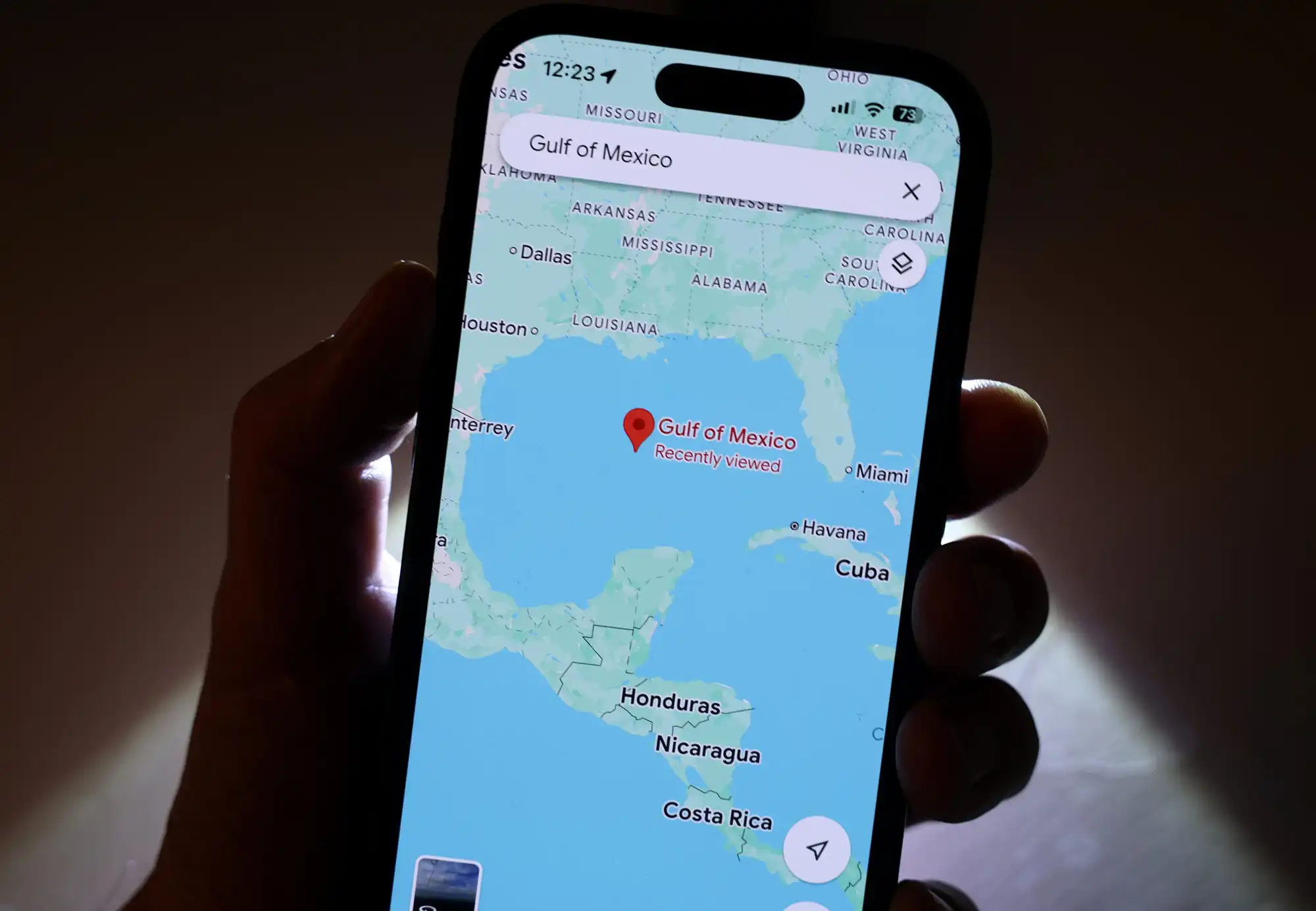
Google says it will comply with President Trump’s order to change the “Gulf of Mexico” to the “Gulf of America,” on Google Maps. Sterling Quinn, Professor of Geography at Central Washington University, explains how digital map companies have historically navigated complicated name or border changes.