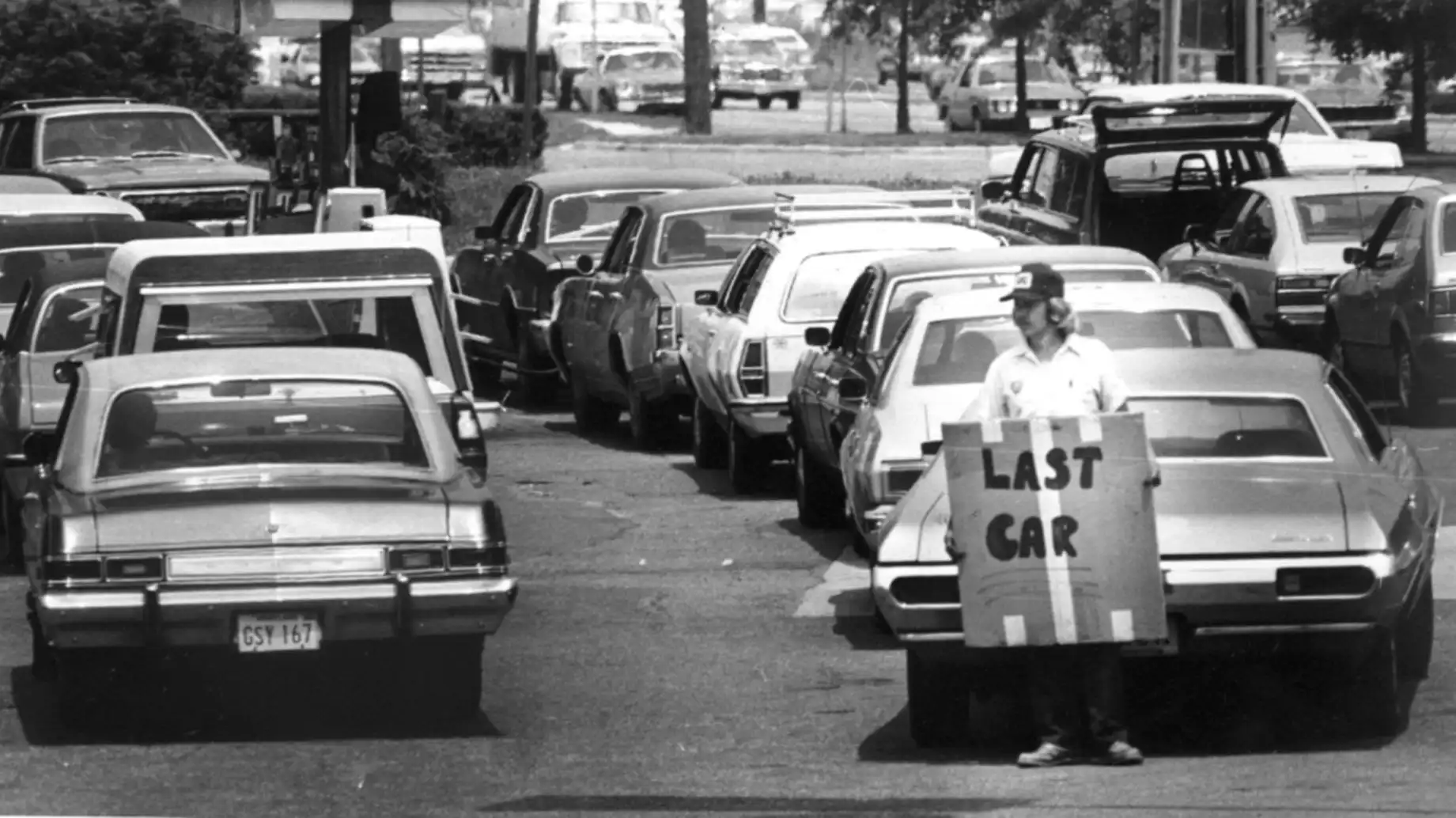
The Arab oil embargo of 1973 was a global economic turning point, said Princeton historian Meg Jacobs. 2026 could be too.
A tenuous deal with Iran has pushed oil prices lower, but U.S. strategic petroleum reserves are at their lowest level in 40 years and commercial inventories have been heavily drawn down.
World leaders are meeting at the G7 in France, and one of the major topics is the diverse economic needs of Africa.
A tentative deal has been reached to end the war in the Middle East and reopen the Strait of Hormuz, but details of the plan are scarce.
The country still has hundreds of millions of barrels left. But inventories can only get so low before the supply chain starts to break down.
Headline inflation soared over 4% this morning for the first time in three years, with one of the largest contributors being higher energy prices.
Fitch Ratings upgraded its oil and gas sector outlook to “improving” from “neutral,” and Moody’s maintained its positive outlook.
With the consumer price index running at 3.8% — and expected to rise further when new data drops Wednesday — purchasing power is eroding.
Oil prices are still heading up this morning, but a bit more slowly after tensions in the Middle East appear to be easing.
The good news is the U.S. is exporting more oil because of the war. The bad news is the U.S. is exporting more oil because of the war.