Tag
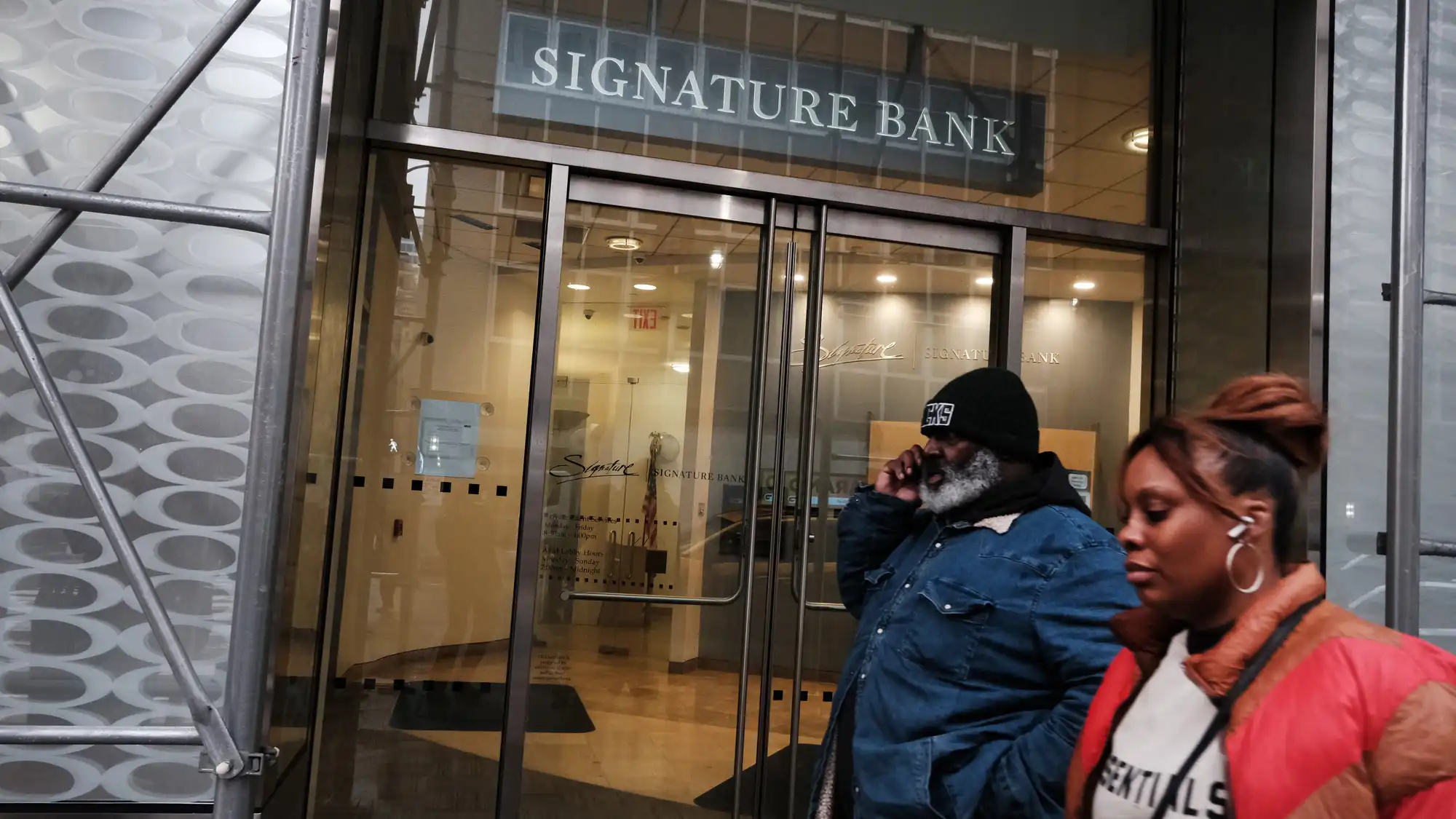
Even if you don’t bank with Silicon Valley Bank or Signature Bank, the fallout from their collapses has probably grabbed your attention.
“Financial conditions” lately have been anything but simple.
It’s a spending category that looks at core services other than housing. The Fed says it could be key to understanding the future of inflation.
The Summary of Economic Projections lays out what Fed leaders are thinking.
“We’ve just seen an uptick in moral hazard,” Daniel Tarullo says of the U.S. government covering uninsured deposits.
The feds didn’t take possession of Silicon Valley Bank and Signature Bank. That was up to state regulators in California and New York.
Growth in the number of people looking for work means the unemployment rate is rising for the right reasons, one economist says.
“It’s clear there have been some shifts in the economy that just make their policies less effective,” says Neil Irwin of Axios.
January was an outlier for jobs, spending and inflation — but can we rely on seasonally adjusted data when the past three Januarys have been so weird?
There are fewer job openings and fewer people are quitting jobs — signs that the Federal Reserve’s interest rate hikes are working as intended.