U.S. refineries are operating at about 97% capacity as they compensate for global refining capacity lost to war damage elsewhere. Now, upcoming run-of-the-mill maintenance adds even more pressure on markets.
The U.S. says our forces in the Middle East have been keeping oil traffic flowing through the Strait of Hormuz, but independent trackers can't account for all of it.
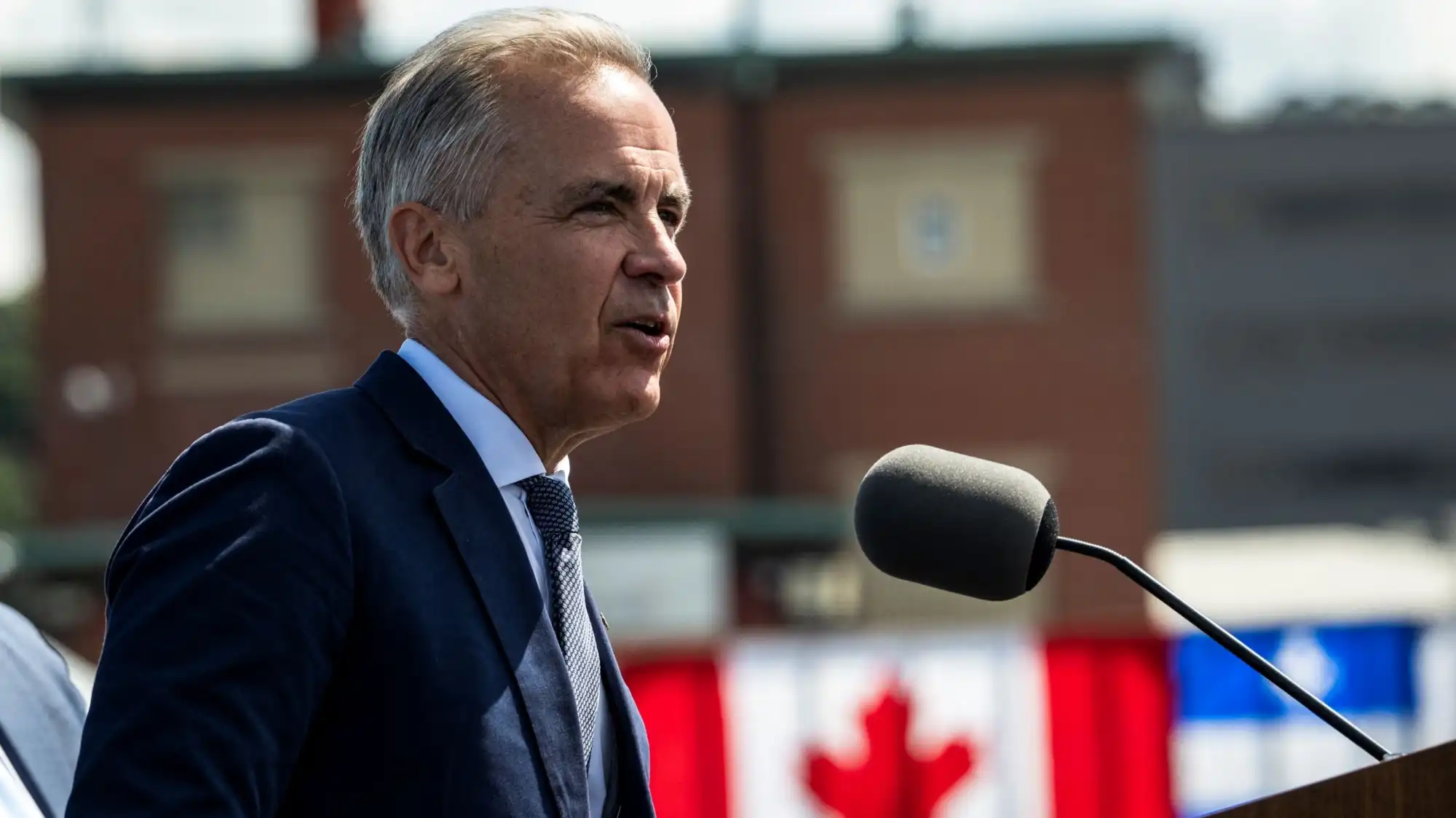
Canada sends about 90% of its oil exports to the U.S., roughly 4 million barrels per day. But growing frustrations between the two countries have given our northern neighbors motivation to build new energy relationships.
A glut of polyethylene had squeezed U.S. producers for years. But the war in the Middle East disrupted the global plastics market, sending prices higher and improving margins for producers along the U.S. Gulf Coast.
Electricity is getting more expensive and less reliable. Local power, like solar panels and batteries, helps solve those problems, but they’re expensive. That’s why Ann Arbor, Michigan, is installing them on homes for free.
Utilities see more upside in relatively cheap solar cells than expensive new coal-burning plants. That’s despite the Trump administration’s efforts to boost coal as a source of electricity.