Marketplace®
Every story is an economic story
  • It’s been a year of transition for Wells Fargo after a series of scandals in its consumer banking business. The company’s paid billions of dollars in penalties and just announced it’s cutting 900 jobs in its mortgage division. The job cuts are part of a big restructuring plan the bank announced back in September, with […]

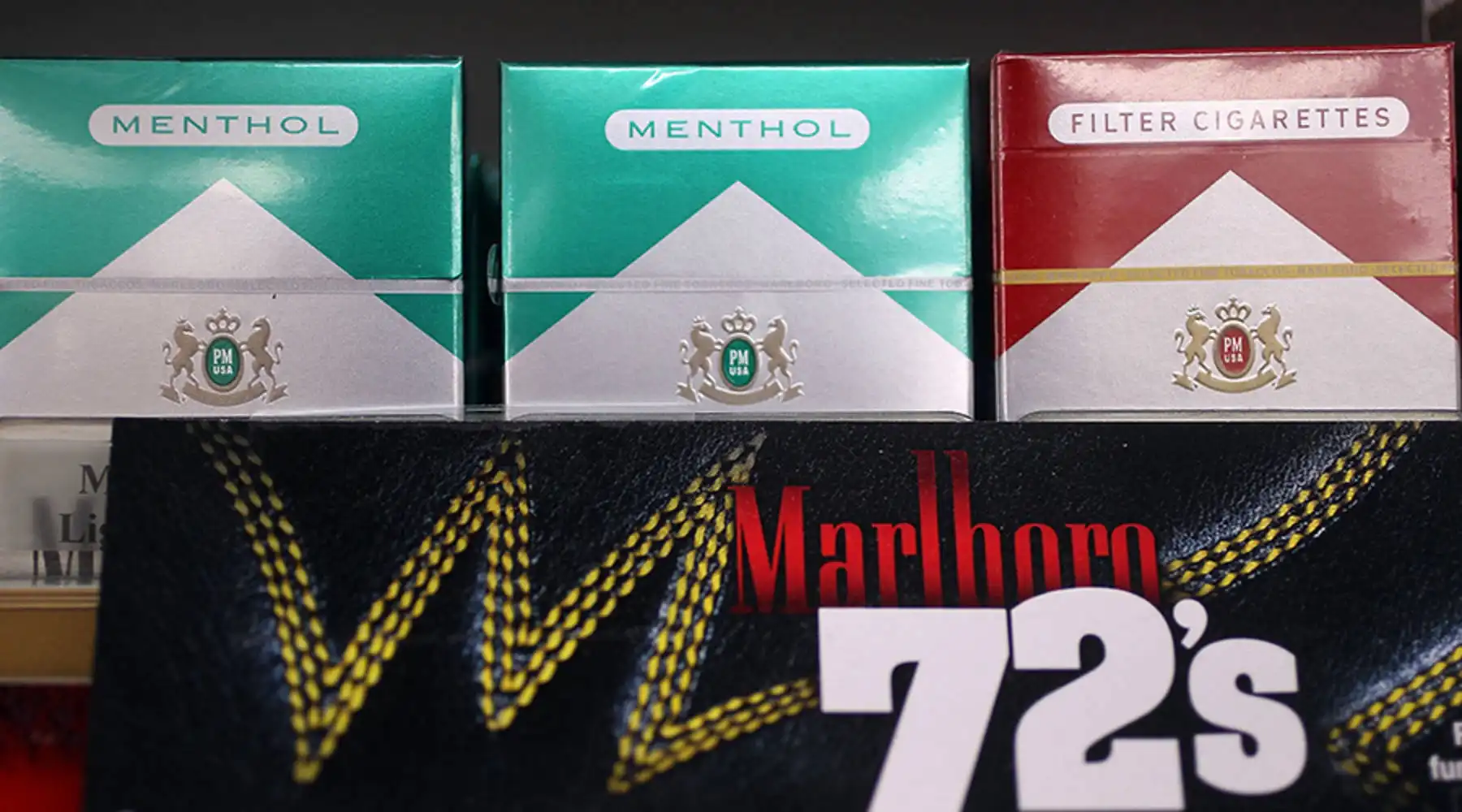
  •  Menthol cigarettes are seen for sale on a shelf at a Quick Stop store on March 30, 2010 in Miami, Florida.
    Joe Raedle/Getty Images

    After World War II, tobacco companies found blacks slightly preferred menthol more than whites; decades of marketing followed.

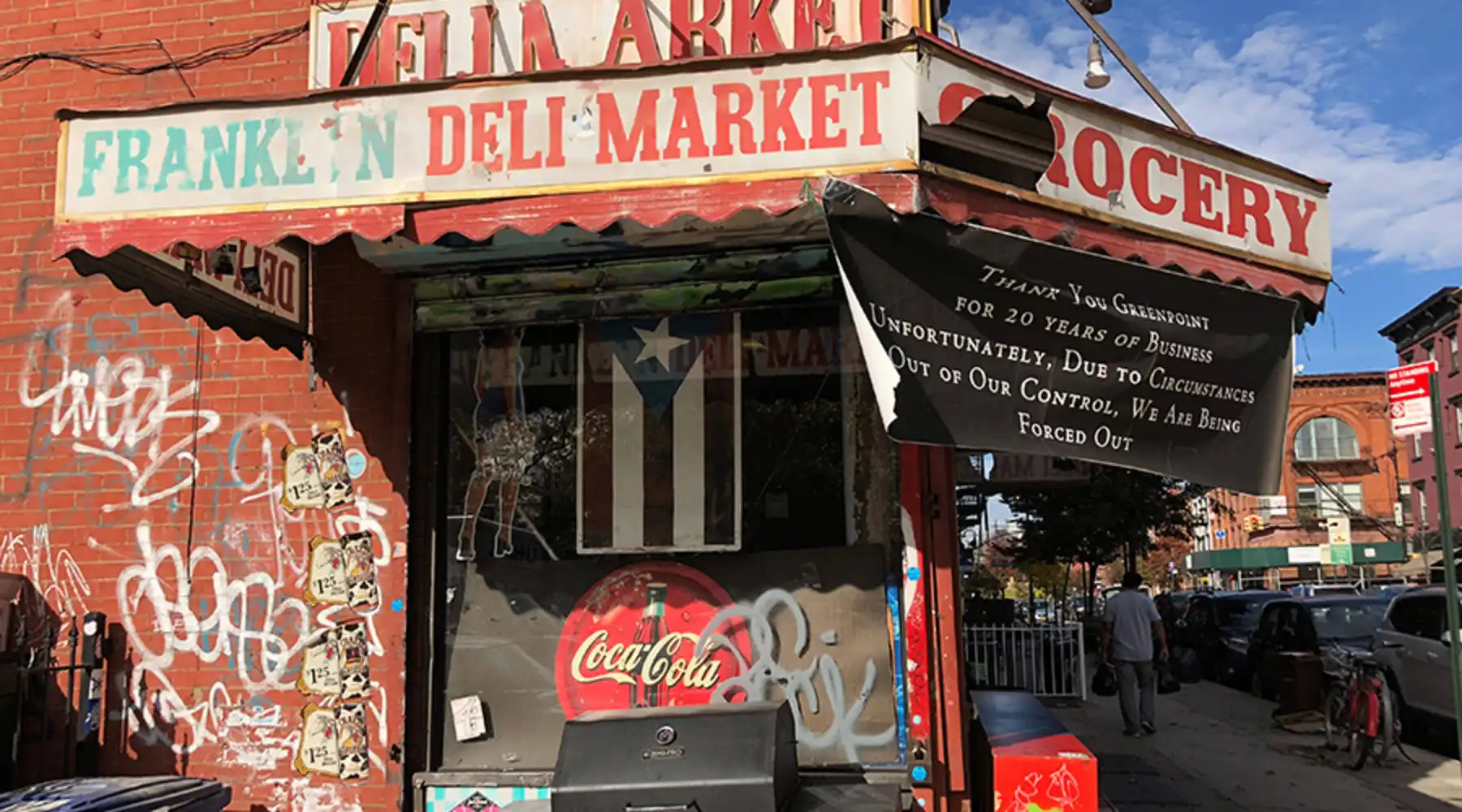
  • American Deli Market in the Greenpoint neighborhood of Brooklyn recently closed after about 20 years in business.
    Janet Babin/Marketplace

    One couldn't afford rent in a hip neighborhood; the other survives on pricey specialties.

  • This week had a bit of it all — tumultuous Brexit negotiations, a swing in oil prices and conversations about shifts in currency — so we break it down in the Weekly Wrap. We also talk about Apple’s new partnership with A24 (of “Moonlight” and “Lady Bird” fame) alongside the news of mortgage lenders like Wells Fargo laying off employees. Then, in our latest segment of How We Changed, we talk to a woman with a master’s degree in puppet arts from the University of Connecticut. Lastly, how empty storefronts are helping form the new “retail desert.”

  • Nov 16, 2018

    Apple casts itself as a Hollywood mogul

    by Erika Beras
    Apple casts itself as a Hollywood mogul
    Justin Sullivan/Getty Images

    Deal with Oscar-winning film studio will produce streaming content to compete with Netflix, Amazon.

  • Nov 16, 2018

    The kilogram you know is so over

    by Jed Kim
    NIST's platinum-iridium kilogram K92 (front) with stainless-steel kilogram masses in the background.
    J.L. Lee/NIST

    It's the final unit of measurement to stop being based on a physical standard.

  • (Markets edition) It’s that time of year again — no, not the holidays. Soon, lawmakers will once more contemplate the country’s debt ceiling and decide whether or not we have an ever-impending government shutdown. Hemp farmers hope the new farm bill will decriminalize the crop, which is now lumped in with marijuana under federal law. And Japan Airlines will start giving its pilots breathalyzer tests at international airports after one of their own was found to be nine times over the legal limit at Heathrow. Plus, scientists have found a more precise measurement for the kilogram that’s not based on a hunk of metal under glass in France, but what does the change mean for everyone else? Today’s show is sponsored by the Alliance for Lifetime Income, the Michigan Economic Development Corporation, Paypal and American Express.

  • As trade tensions continue to brew between the U.S. and China, southeast Asian countries who attended the ASEAN conference in Singapore this week might be forced to pick a side. The FDA has proposed a ban on menthol cigarettes, but what does that mean for the Black community, whom tobacco companies for years targeted with the mint-flavored smokes? And how “peace engineering” is marrying technology and ethics. Today’s show is sponsored by the Michigan Economic Development Corporation.

  • (Global Edition) From the BBC World Service… As big businesses brace for Brexit, Rolls Royce’s chief executive says contingency plans are in place in case no final agreement is reached before the divorce deadline in March. Japan Airlines announced all of its pilots will be subject to breath tests for alcohol in international airports after one of its pilots was found to have nine times the local maximum limit at London’s Heathrow airport. Black and white TV still has a market, and it’s about more than just nostalgia. And how the way a kilogram is officially measured might soon change.

  • The data analytics company Palantir is reportedly considering going public. Palantir is the company co-founded by controversial Silicon Valley billionaire Peter Thiel, formerly of PayPal. It’s named after an all-seeing artifact in the Lord of the Rings trilogy. The company promises police departments, governments, even the IRS, that it can take in huge amounts of data and make artificial intelligence-informed guesses to help track down criminals and cheats, among other things. In a secret pilot program in New Orleans, Palantir tech even tried to predict when crime would happen or who might be a victim. But lately its huge $20 billion valuation is in doubt and privacy activists are concerned about its tactics. Molly Wood talks about it with Mark Harris, a reporter who’s covered Palantir for Wired magazine. Today’s show is sponsored by Wasabi Hot Cloud Storage and the Michigan Economic Development Corporation.  

  • Peter Thiel is the co-founder of Palantir, named for a crystal ball in the "Lord of the Rings" trilogy.
    Stephanie Keith/Getty Images

    The surveillance software giant may be preparing for an IPO amid concerns about its business.

  • Two holiday-themed chocolates from Dean's Sweets, Kristin Thalheimer Bingham's store in Portland, Maine.
    Melissa Mullen

    "People don't stop buying a few small luxuries" in a recession, one couple found.

  • Nov 15, 2018

    Busting the motherhood myth of "having it all"

    by Amy Scott and Bennett Purser
    A cropped version of journalist Amy Westervelt's book.
    Courtesy of Seal Press

    A journalist and parent digs into how our ideas of motherhood came about in the U.S.

  • Nahhhh. With the holidays right around the corner, and ads inundating our collective consciousness, we try to figure out why deals are everywhere. But first, the British pound has fallen nearly 2 percent against the dollar amid shaky Brexit negotiations. What exactly are the markets trying to tell us? Then: a story about the state of temporary work in the years before and after the Great Recession. Also, one journalist (and mother) on how history, the economy and race have shaped American motherhood.

  • The Crystal City area of Arlington, Virginia, was one of the winners in the contest for Amazon's HQ2.
    Photo by Mark Wilson/Getty Images

    Officials are relieved and bitter after the online retailer's big announcement.

  • People walk past a shop advertising 'Black Friday' discounts.
    Rob Stothard/Getty Images

    Why is your in-box already overflowing with sale alerts and discount codes?

  • Nissan auto factory workers (from left to right) Eric Hearn, Travis Parks and Antonio Ivy. 
    Justin Hardiman/Marketplace

    10 years after the Great Recession companies have increased their dependence on non-permanent workers.

  • Nov 15, 2018

    Electronics makers caught in the trade war

    by Kai Ryssdal and Sean McHenry
    Close of the motherboard of a digital decoder at the Technicolor plant on October 24, 2012 in Angers. The Commercial Court of Nanterre ordered last week the liquidation of the plant, the last production unit of the French group in Europe, specializing in the manufacture of digital decoders. 
    ALAIN JOCARD/AFP/Getty Images

    For one electronics maker, over half of their components come from China. They're on the tariff list.

  • Whether you credit the president or the Fed for the country’s booming economy, there is one indicator that things are going well: clothing sales. The digital age deals another blow to the U.S. Postal Service. And we talk to the author of “The Global Economy as You’ve Never Seen It” about visualizing the way supply chains and money work. Today’s show is sponsored by Forex  and the Michigan Economic Development Corporation.

  • USPS $3.9 billion from being in the black
    Joe Raedle/Getty Images

    The U.S. Postal Service lost almost $4 billion during the 2018 fiscal year.

  • Nov 15, 2018

    Dollar stores might not be selling items for a dollar for much longer

    by David Brancaccio, Reema Khrais and Jonaki Mehta
    Dollar stores might not be selling items for a dollar for much longer
    Ken Garduno

    About 70 percent of these products come from China, and with an ongoing trade war between the U.S. and China, this could mean higher prices will be passed down to consumers before long.

  • Two members of British PM Theresa May’s cabinet have resigned following a tentative Brexit agreement with the European Union. What does the potential of leaving the E.U. without a deal mean for their respective economies? How brick and mortar stores are competing with giant online retailers. And why all those dollar stores might not be selling things for just a dollar for much longer. Today’s show is sponsored by Forex  and the Michigan Economic Development Corporation.

  • (Global Edition) From the BBC World Service… Several members of the U.K.’s government have resigned the day after a long-awaited draft outlining Britain’s withdrawal from the European Union was agreed upon by Prime Minister Theresa May and Brussels. The news dampened British business and the value of the pound. Canadian Prime Minister Justin Trudeau speaks exclusively to us at the ASEAN summit in Singapore about the importance of free trade between countries as a trade spat continues between two of the world’s biggest economies: the U.S. and China. And we could see growing instability in how much we pay for our food, according to a new report. Today’s show is sponsored by the Michigan Economic Development Corporation.

  • Nov 15, 2018

    What a pair of jeans can teach us about the global economy

    by David Brancaccio and Jonaki Mehta
    Infographic from “The Global Economy as You’ve Never Seen It” by Thomas Ramge and Jan Schwochow. Reprinted by permission of the publisher.
 

    Thomas Ramge and Jan Schwochow's book, "The Global Economy as You've Never Seen It," uses infographics to make complex ideas more accessible.

  • Only about 1 percent of venture capital-backed startup founders are black, according to CB Insights data. Even fewer are black women or Latino. There’s not a lot of age diversity and geographic diversity, and underrepresented founders don’t always have access to the networks or training programs that can help them get startup funding. Mandela Dixon is a former public school teacher and startup founder, and she was a mentor for entrepreneurs at the VC firm Kapor Capital. About a year ago, she created Founder Gym, which is an online-only training program for underrepresented, would-be startup founders. Host Molly Wood talked with her at the AfroTech conference last week in San Francisco.

  • A man looks at his computer at a Starbucks coffee shop in Washington, DC on October 18, 2018.
    ANDREW CABALLERO-REYNOLDS/AFP/Getty Images

    Founder Gym offers tools for anyone who wants to start a venture-backed company.

  • A Macy's sign is seen on a Macy's store at CityPlace after reports indicate that it is one of 68 stores that the company plans on closing on January 5, 2017 in West Palm Beach, Florida.
    Joe Raedle/Getty Images

    Have you been to a mall lately?

  • Higher-ed tech programs helped to lure Amazon
    GUILLAUME SOUVANT/AFP/Getty Images

    Colleges and universities producing a pipeline of talent were a significant draw.

  • An illustration shows a man exhaling smoke from an electronic cigarette in Washington, DC on Oct. 2, 2018. 
    EVA HAMBACH/AFP/Getty Images

    E-cigarette company, Juul announced it’s taking steps to curb its appeal to potential underage users. It has made its Facebook and Instagram accounts inactive. Juul also is pulling several flavored tobacco products, including mango, cucumber and fruit, from retail stores until sellers adopt a new age-verification system limiting buyers to 21 and older. Critics of […]

  • A view inside the Staples Center.
    Daisy Palacios/Marketplace

    We examined the cost of a seat at the Staples Center over the course of a week — and what it reveals about ticket pricing.

  • There’s a Brexit deal … we think. What happens next? What sticking points have held up the process? We talk to Marketplace’s Stephen Beard about whether or not the May administration will be able to close the deal with the European Union. Then, a follow up to our reporting yesterday looking at the auto bailout 10 years later. This time, we look at how the financial crisis transformed the economy of Kenosha,Wisconsin. Plus, we’ll talk to AEG CEO Dan Beckerman for this installment of Corner Office. 

  • Steve Ballmer, former Microsoft CEO (L), sits with Dan Beckerman, the President and CEO of AEG (R) in the first period of Game Six of the Western Conference Final during the 2014 Stanley Cup Playoffs at Staples Center on May 30, 2014 in Los Angeles, California. Steve Ballmer has reportedly made an offer to purchase the Los Angeles Clippers basketball team for $2 billion.
    Jeff Gross/Getty Images

    Dan Beckerman, the CEO of AEG, on building L.A. Live and the lessons he learned from the Great Recession.

    Download
  • Ahead of a possible 2019 IPO, Uber announces a plan to collect data on sexual misconduct
    Adam Berry / Getty Images

    Uber’s plans to disclose data on sexual assaults may be part of its preparation for going public.

  • (Markets edition) There’s no cause for alarm just yet as inflation remains stable ahead the Federal Reserve’s anticipated interest rate hike. Germany’s economy shrank for the first time in years thanks to new auto emissions standards, but don’t worry. They’re doing fine. Plus, the U.S. is capitalizing as at least one European country starts to wean itself off Russia’s natural gas. Today’s show is sponsored by Gobble, LinkedIn Sales Navigator and Forex.

  • After a night shift, Nissan auto factory workers Travis Parks, Eric Hearn and Antonio Ivy gather at a Canton, Mississippi, truck stop.
    Justin Hardiman for Marketplace

    Some workers at the Nissan plant in Canton, Mississippi, are framing their fight for a union and higher wages as part of a longer fight for equality in the Deep South.

  • In 2016, Britain voted to exit the European Union but had no actual plans on how to do it. Now, Prime Minister Theresa seems to have reached an agreement with Brussels on Brexit, and she faces a showdown with her cabinet on the deal. Plus, why the plight of temporary workers in the auto industry has echoes of the American civil rights movement. Today’s show is sponsored by Gobble and LinkedIn Sales Navigator. 

  • (Global Edition) From the BBC World Service… It’s crunch time for Britain’s Prime Minister as she seeks support for a draft deal on Brexit. After months of negotiating, Theresa May has finally secured agreement from Brussels on a plan for how the UK will leave the European Union. Also, Germany’s economy shrank for the first time since 2015. We’ll be in Frankfurt to hear what the car industry has to do with it. And why are women awarded just a quarter of the prize money men receive at the very top of world chess? A former child master tells us the sport needs to change. Today’s show is sponsored by Gobble  and LinkedIn Sales Navigator. (11/14/2018)

  • Black millennials are tech savvy, influential and spending about a $162 billion a year, according to a 2016 Nielsen study. And yet, black people are incredibly underrepresented in tech and media. Enter Blavity, a digital lifestyle brand for millennials of color. It started in 2014 and raised $6.5 million in venture funding earlier this year. Blavity’s founders say its advantage is its community members. They’ll pay to come to events, and companies will pay to interact with them. Jeff Nelson is a co-founder and chief technical officer at Blavity. Marketplace Tech’s Molly Wood met him last week at one of those events, the AfroTech conference in San Francisco, which was born out of Blavity’s tech news site. (11/14/18)

  • Blavity’s Morgan DeBaun and Jeff Nelson on stage at AfroTech 2018.
    Courtesy of Blavity

    The AfroTech conference in San Francisco is part of Blavity's events strategy.

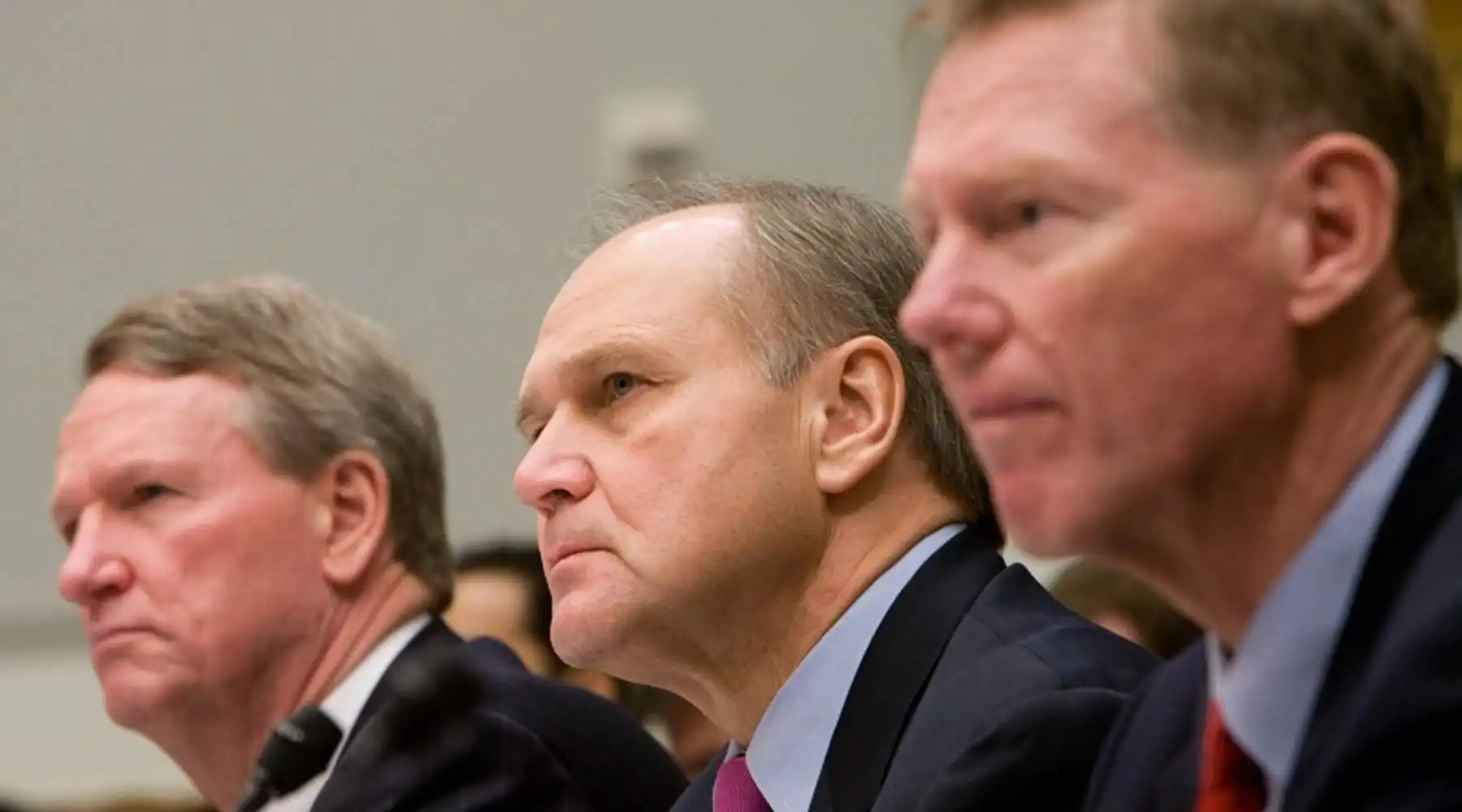
  • From left, G. Richard Wagoner Jr., CEO of General Motors; Robert Nardelli, CEO of Chrysler; and Alan Mulally, CEO of Ford, testify at a hearing on the U.S. auto industry on Capitol Hill on Dec. 5, 2008. GM and Chrysler were bailed out with TARP funds; Ford  received other federal assistance.
    Photo by Brendan Hoffman/Getty Images

    About $80 billion helped save GM and Chrysler, but autoworkers and auto-dependent communities haven't fully recovered.

  • An Amazon fulfillment center warehouse in Peterborough, England. 
    Oli Scarff/Getty Images

    And, uh, how’d the last one end again?

    Download
  • A sign is posted in front of a Home Depot store on Aug. 14, 2018 in El Cerrito, California.
    Justin Sullivan/Getty Images

    Despite signs of a cooling housing market, the home improvement giant turned in a $2.9 billion profit for the third quarter.

  • In this aerial photo, a burned neighborhood is seen in Paradise, California, on Nov. 15, 2018. The toll in the deadliest wildfires in recent California history climbed to 59 on Nov. 14, 2018, as authorities released a list of 130 people still missing. 
    Josh Edelson / AFP

    California damages topped $10 billion in 2017. The bill for this year's fires could be worse.

  • A view of the waterfront of Long Island City in the Queens borough of New York, along the East River.
    DON EMMERT/AFP/Getty Images

    Residents fear the area will become unaffordable.

  • U.S. colleges and universities are increasingly competing for international students
    Scott Eisen/Getty Images

    As colleges and universities around the globe put out the welcome mat for college and grad students from abroad, attracting those students is increasingly a marketing headache for schools in the U.S. Questions about racism, visas and the vibe on campus are suppressing international student enrollment here. The loss of revenue is hurting schools and […]

  • Amazon’s HQ2 may be “the best thing that didn’t happen”
    PHILIPPE HUGUEN/AFP/Getty Images

    What cities learn from competing can be a win.

  • The wait is over — Amazon finally announced its new headquarter locations. They are near two major metropolitan areas: Crystal City, Virginia, just across the Potomac from Washington, D.C., and Long Island City in Queens, just across the East River from Manhattan. We’ll be taking a look at what happens to housing and rent prices when Amazon moves in. Then, later in the show, we’ll talk about what’s next for the places that weren’t chosen. Plus: Ten years ago, the government bailed out the auto industry partially on behalf of the workers. A decade on, how have those auto jobs fared? We check in on the bailouts that were meant to save the economy of Toledo, Ohio.

  • (Markets edition) What’s causing the latest, wild swings in the financial markets? China has a lot to do with it. Plus, Facebook and France work together to crack down on hate speech. A hipster favorite might be in jeopardy as Coors threatens to put the kibosh on PBR. And, how digital billboards can do targeted advertising on the road. Today’s show is sponsored by Forex and the Alliance for Lifetime Income.

  •  Workers build a Jeep Compass at the Fiat Chrysler assembly plant in Belvidere, Illinois, in 2012.
    Photo by Scott Olson/Getty Images

    We take a look at four cities whose fates are linked to Chrysler and GM.

  • A visitor checks in at the Amazon corporate headquarters in Seattle, Washington. On Oct. 2, 2018, Amazon announced U.S. workers would receive  a minimum of $15 per hour.
    David Ryder/Getty Images

    The decision ends intense competition between North American cities to win Amazon and its promise of 50,000 new jobs.

  • Part of the reason there’s a backlash against Big Tech these days is because some of these companies are so big. They’re big in terms of users (see: Facebook’s 2 billion plus), big in valuation (Amazon and Apple have both topped a trillion dollars) and big in market share (more than 90 percent of all web searches happen on Google). The United States is taking baby steps toward possible regulation. Europe is taking more like Paul Bunyan-sized steps. But critics like Tim Wu argue these companies should have been slowed down long ago. Marketplace Tech’s Molly Wood talks with Wu, author of the new book, “The Curse of Bigness: Antitrust in the New Gilded Age.” (11/13/18)

  • Ten years ago the U.S. auto industry, from parts makers all the way to dealers, was on the brink of collapse. The government spent $80 billion to bail out GM and Chrysler, which has since been repaid with interest. The deal saved plants and jobs across the upper midwest, but not all of them. Today we’ll head to Dayton, Ohio, where thousands of jobs were lost and a Chinese glass supplier set up shop. But first: Nobody said a lame-duck Congress has to be all that lame — returning lawmakers have a lot to do, including avoiding a partial government shutdown. Today’s show is sponsored by Forex, Alliance For Lifetime Income and Paypal.

  • An Apple laptop sits on a podium with the Google logo during a Google special event in 2010 in San Francisco.
    Justin Sullivan/Getty Images

    A former senior advisor to the FTC makes the case.

  • (Global Edition) From the BBC World Service… Banking giant Goldman Sachs’ involvement in Malaysia’s long-running 1MDB corruption scandal has bought up old questions about banking culture. Italy’s controversial new government is adamant that it will make no changes to its rejected budget on the eve of another budget deadline. The world’s largest recruitment drive is underway in India, as the Indian Railway network seeks 100,000 new staff from millions of applicants. Today’s show is sponsored by Forex and the Alliance For Lifetime Income.

  • Robert Wake, an Iraq war veteran suffering from post-traumatic stress disorder, talks to physical therapist Nicole Bormann before a session in the VA Medical Center August 10, 2009 in St Louis, Missouri. 
    Chris Hondros/Getty Images

    Experts, and vets themselves, say yes.

  • Nov 13, 2018

    Abandoned carts are a big problem for online retailers

    by Meghan McCarty Carino
    In this photo illustration, electronics retailer Best Buy advertises Cyber Monday sales on the store's website in 2012. Limited sales can be an effective way to replicate the conditions that lead to impulse spending online.
    Scott Olson/Getty Images

    About 70 percent of sales die before consumers hit "buy."

  •  Menthol cigarettes are seen for sale on a shelf at a Quick Stop store on March 30, 2010 in Miami, Florida. 
    Joe Raedle/Getty Images

    Regulatory changes would face a process that could take years and face litigation.

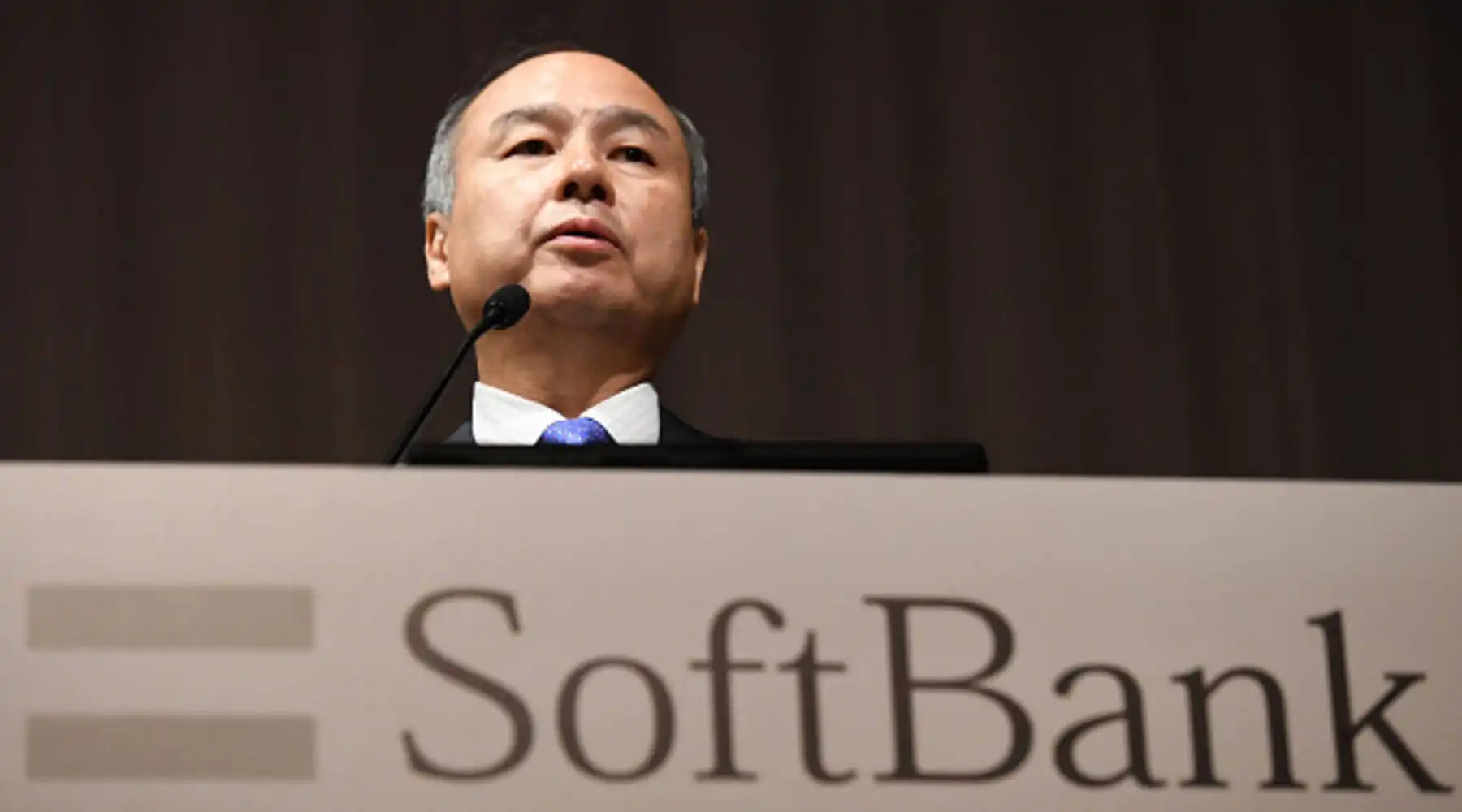
  • Softbank group CEO Masayoshi Son delivers a speech during his company's financial results press conference at a hotel in Tokyo on Nov. 5, 2018.
    TOSHIFUMI KITAMURA/AFP/Getty Images

    SoftBank Group Corp., the massive Japanese holding company, is planning to take its mobile division public. The company is trying to raise $21 billion in its IPO, and it’ll list on the Tokyo Stock Exchange in December. You may not have heard of SoftBank, but it has a hand in a lot of our consumer technologies […]

  • By now we don’t have to remind you that the stock market is not the economy, but we’ll give you some more context for today’s decline. Also on today’s show: One of the most influential companies you probably never heard of is going public. The mobile division of Japanese conglomerate Softbank is vying for an IPO. That’s a big deal for American companies, including Uber, Slack and WeWork. Then: About 70 percent of online shopping carts are abandoned before purchase. Now e-commerce retailers are trying to figure out how to get shoppers to that last click. And we remember comic book genius Stan Lee. We talk to Gizmodo’s Evan Narcisse about Lee’s impact on pop culture. 

  • Russian President Vladimir Putin shakes hands with Saudi Crown Prince Mohammed bin Salman during their meeting at the Kremlin in Moscow on June 14, 2018. 
    Yuri KADOBNOV / AFP

    The price of oil is at its lowest in almost a year. Now officials from Saudi Arabia are suggesting they might cut supply to arrest the falling price. President Donald Trump on Monday said he hopes Saudi Arabia and OPEC don’t do that. It’s all a bit of a test for Saudi Arabia and its […]

  • Comic book writer Stan Lee attends a talk show during the Tokyo Comic Con in Chiba, a suburb of Tokyo, on Dec. 2, 2016.
    BEHROUZ MEHRI/AFP/Getty Images

    As the top writer at Marvel Comics and later as its publisher, Lee was widely considered the architect of the contemporary comic book.

  • After years of negotiations, AmEx is finally primed to expand to China. But what’s a credit card company to do when everyone pays with stuff on their phones? But first, we’re still unpacking oil prices this morning — we’ll bring you the latest. Plus, a look at Floridas homeless senior citizens. They make up 10 percent of the state’s homeless population, and many of them are living out of their cars. Today’s show is sponsored by Forex, Alliance For Lifetime Income and the Michigan Economic Development Corporation.

  • What The Fed can learn from the Soviets’ tiny, useless nail problem
    BILL GREENBLATT/AFP/Getty Images

    How can the lesson of producing too many tiny, useless nails inform the Federal Reserve's decision to control inflation?

  • Justin Miller served for 11 years in the U.S. Army and deployed twice to Iraq. After being medically retired, he suffered from severe PTSD. He almost became one of the 20 military veterans and active service members who die by suicide every day. But he was saved, in part, by a serendipitous phone call from his friend Chris Mercado, a fellow vet, who helped talk him back. Now Miller and Mercado have collaborated with a team to build the app, Objective Zero, using social networking technology to make those kinds of vital connections between veterans immediate and easily accessible. We talk about it with Miller. And we hear from the Department of Veterans Affairs’ Jason Owen about how the agency is developing its own apps to help veterans with their mental health. (11/09/18)

  • A man making purchases through his smartphone at a seafood booth at a market in Beijing, June 2017.
    WANG ZHAO/AFP/Getty Images)

    Mobile payments dominate in markets like Beijing, so what's a credit card company to do?

  • Why OPEC might cut the production of crude oil after a month of low prices. How Disney could pose a threat to Netflix with its foray into the streaming world. And as the Fed eyes raising interest rates for the fourth time this year, what it can learn from the Soviet Union’s nails….yes, nails. Today’s show is sponsored by Forex and the Michigan Economic Development Corporation.

  • (Global Edition) From the BBC World Service… Saudi Arabia has warned there will be an oversupply of oil next year if global production isn’t reduced by one million barrels a day. The Kingdom has promised to cut its own output next month.  We’ll hear what it means for consumers. Also, the biggest online sale in the world has taken place in China: $1 billion was spent in the first 85 seconds of Singles Day. And, as Brazil prepares for a new government to be inaugurated on January 1st, we hear from the country’s outgoing finance minister Eduardo Guardia. Today’s show is brought to you by Forex, and the Michigan Economic Development Corporation. 

  • Oil prices might finally be perking up after a long tumble

    Analysts didn’t anticipate the convergence of factors driving oil prices down. A record production of U.S. crude combined with increased pumping globally have created an unexpected surplus. Combine that with slowing global demand and President Donald Trump easing sanctions on Iran, and oil prices are in a slump. What will it take for OPEC to […]