Marketplace®
Every story is an economic story
  • Kevin Hassett, chair of the Council of Economic Advisers, at a daily White House briefing in November.
    Mandel NganAFP/Getty Images

    We take a look at the Republican Party's flip-flop on debt.

  • Feb 17, 2018

    January home construction jumped 9.7 percent

    by Mitchell Hartman

    Single-family ground-breaking was strong, but construction of multi-family units was even stronger.

  • Feb 17, 2018

    Online stores get physical

    by Reema Khrais

    Warby Parker plans to have nearly 100 brick-and-mortar stores by the end of the year.

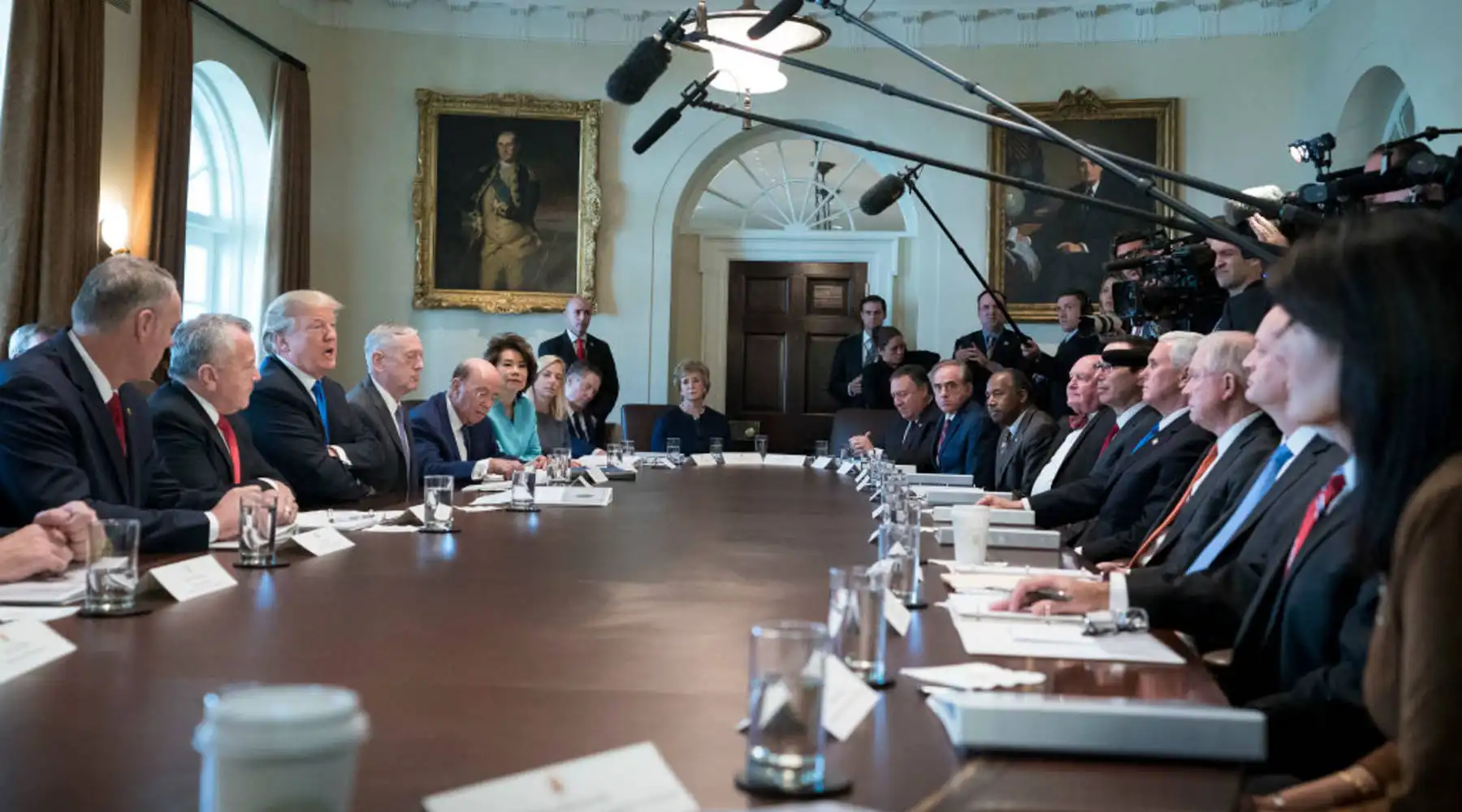
  • U.S. President Donald Trump speaks to the media during a Cabinet meeting at the White House on December 6, 2017 in Washington, D.C.
    Kevin Dietsch-Pool/Getty Images

    The financial holdings of the Trump administration, our national ethics laws and whether these things matter. Plus, what the gender wage gap sounds like, a chat with the designer of Michelle Obama’s portrait dress and emojis.

  • Feb 17, 2018

    What TV can teach the movie business about diversity

    by Christabel Nsiah-Buadi
    Actor Melissa Barrera, left, and executive producer/creator Tanya Saracho of "Vida" speak onstage during the Starz portion of the 2018 Winter Television Critics Association Press Tour at The Langham Huntington in January in Pasadena, California.
    Frederick M. Brown/Getty Images

    How cable networks are cashing in on diverse audiences.

  • Office of Management and Budget Director Mick Mulvaney testifies before the Senate Budget Committee Tuesday on the 2019 budget proposal released the day before.
    Win McNamee/Getty Images

    Things turned out a little differently though. That’s how we’ll start today’s episode, reflecting on the week in deficits, inflation and immigration. Then we examine the growing trend of online retailers expanding to brick-and-mortar stores. Amazon’s doing it, and now Warby Parker announced plans to bring its number of stores to about 100 by the end of the year. Plus, what you need to know about esports.

  • Since 2016, Twitter has partnered with ad agencies to target people based on their emoji use.
    MIGUEL MEDINA/AFP/Getty Images

    Cashing in on smiley faces … or animals, vegetables, dancers…

  • Feb 16, 2018

    What does the gender wage gap sound like?

    by Peter Balonon-Rosen

    In the U.S., on average, women earn 80 cents for every dollar men make, according to the Department of Labor.

  • Feb 16, 2018

    Do corporate wellness programs work?

    by Tracey Samuelson
    Would you be more likely to go rock-climbing if your company picked up part of the tab? 
    GUENTER SCHIFFMANN/AFP/Getty Images

    A new study says they help employee retention, but not employee health.

  • Former First Lady Michelle Obama, left, and artist Amy Sherald unveil Obama's portrait at the Smithsonian's National Portrait Gallery in Washington, D.C., Monday.
    SAUL LOEB/AFP/Getty Images

    The gown, with its graphic print, shows the former first lady's "intelligence, her realness," says Michelle Smith.

  • Feb 16, 2018

    Should you worry about the national debt?

    by Paulina Velasco
    Office of Management and Budget Director Mick Mulvaney testifies before the Senate Budget Committee Tuesday on the 2019 budget proposal released the day before.
    Win McNamee/Getty Images

    We have short-term focus but a long-term problem.

  • U.S. President Donald Trump speaks to the media during a Cabinet meeting at the White House on December 6, 2017 in Washington, D.C.
    Kevin Dietsch-Pool/Getty Images

    Ethics experts are alarmed at the drumbeat of revelations about travel, business holdings and investments, warning that public trust and reliable government are at risk. A former ethics official asks: "If the boss doesn't care, why should you, then?"

  • 02/16/2018: China’s backing away from America’s debt
    TEH ENG KOON/AFP/Getty Images

    (Markets Edition) Foreign countries hold about $6 trillion of the $20 trillion worth of Treasury bills, notes and bonds that the U.S. government has issued. China is one of them, but it turns out that U.S. debt is becoming less attractive to China and other countries. We’ll talk to Chris Low — chief economist at FTN Financial — about why they’re starting to back off. Plus: How one Seattle nieghborhood is fighting airplane noise.

  • A view of the Blizzard Arena.
    Robert Paul for Blizzard Entertainment

    Professional gamers are drawing in the crowds as esports phenomenon spreads.

  • Italy's Matteo Rizzo competes in the figure skating team event men's single skating free skating during the Pyeongchang 2018 Winter Olympic Games.
    ARIS MESSINIS/AFP/Getty Images

    Olympic athletes are now free to dance to music with lyrics, but it's not free.

  • María Batayola.
    Eilis O'Neill/ for Marketplace

    The planes are so loud in this Seattle neighborhood some residents say it feels like a war zone. They want the federal government to do something about it.

  • Italy's Matteo Rizzo competes in the men's single skating short program of the figure skating event during the Pyeongchang 2018 Winter Olympic Games.
    MLADEN ANTONOV/AFP/Getty Images

    (U.S. Edition) A group of Chinese-based companies has been trying to buy the Chicago Stock Exchange, but the Securities and Exchange Commission has finally given an answer and it’s…no. On today’s show, we’ll look at why the SEC is putting a halt to the deal, and what the Chicago Stock Exchange’s parent company could do next. Afterwards, we’ll discuss the state of the housing industry, and then find out how figure skaters at this year’s Winter Olympics are getting the chance to skate to pop songs. Who pays for the rights to use them?

  • 02/16/2018: Has the lost generation of home buyers finally been found?
    Matt Cardy/Getty Images

    (Global Edition) From the BBC World Service … Young buyers have long been considered the “lost generation” when it comes to home buying. But we’ll delve into new figures out this morning that show that while that might be true in Britain, the trend has actually started to reverse in America. Then, the growing economic and humanitarian crisis in Venezuela has led to tens of thousands of residents to flee to the north of Brazil. We’ll explain why authorities there are now declaring a state of social emergency to cope with the high number of immigrants. Afterwards, how was your commute this morning? Any coffee spills, late trains, or traffic jams on the route? For some in Sweden, none of those are things to fear because, as we’ll explore, rather than hopping in a car or boarding mass transit … they ice skate to the office.

  • Feb 16, 2018

    Black Twitter is a force for activism

    by Molly Wood, Stephanie Hughes and Shaheen Ainpour
    Demonstrators from the Black Lives Matter movement march during a demonstration against the killing of black men by police in the U.S.
    DANIEL LEAL-OLIVAS/AFP/Getty Images

    Feminista Jones on what the social forum has accomplished.

  • Feb 16, 2018

    The Source Code: Feminista Jones

    by Molly Wood and Stephanie Hughes
    Hundreds of demonstrators, many of them Howard University students, march down the middle of U Street Northwest after a grand jury did not indict Darren Wilson, a white police officer, for killing Michael Brown, an unarmed black teenager.
    Chip Somodevilla/Getty Images

    How Black Twitter is influencing the American conversation.

  • Demonstrators from the Black Lives Matter movement march during a demonstration against the killing of black men by police in the U.S.
    DANIEL LEAL-OLIVAS/AFP/Getty Images

    Twitter has the power to shape global conversation. And it’s become a way for marginalized communities to garner attention for the issues that matter to them. Case in point: Black Twitter. According to Pew Research, young black Americans use Twitter more than any other platform. And they’re discussing topics like racial injustice, police shootings and representation in entertainment. Marketplace Tech host Molly Wood spoke with the author and activist known as Feminista Jones about the cultural significance and influence of Twitter as a platform for black activism. 

  • Remember the eurozone debt crisis? At its height — only a few years ago — the bloc of 19 nations using the euro as its single currency — looked as if it might implode. Debt-ridden economies like Greece, Portugal, Ireland and even Spain came close to collapse. Today, everything looks much healthier. The latest figures from the […]

  • Feb 16, 2018

    The NRA hasn’t always been the NRA

    by Nancy Marshall-Genzer

    The National Rifle Association spent about $5 million lobbying Congress last year. That’s up from around $1.5 million 10 years ago, according to the Center for Responsive Politics.  But the NRA is not just a Washington lobbying powerhouse. Its reach extends across the country.   Click the audio player above for the full story. 

  • Feb 16, 2018

    Inflation pressure evident at producer level

    by Mitchell Hartman

    The producer price index for January rose 0.4 percent month-to-month, and 2.7 percent year-to-year. Core producer prices, excluding volatile food and energy prices, were up 2.2 percent year-to-year. Producer prices remained muted after the Great Recession as economic growth was sluggish, but upward price pressure appears to be building at both the wholesale and retail […]

  • People pass by the Google logo at the Web Summit in Lisbon on Nov. 8, 2017. 
    PATRICIA DE MELO MOREIRA/AFP/Getty Images

    Ad tech firms worry innovation could be stymied.

  • A 1937 map of Philadelphia shows redlining of neighborhoods.
    Wikimedia Commons

    A report from Reveal looks at racial discrimination in the mortgage business and the legacy of redlining.

  • Semi-automatic rifles are seen for sale in a gun shop in Las Vegas, Nevada on October 4, 2017. 
    ROBYN BECK/AFP/Getty Images

    What’s that saying? You can’t manage it if you don’t measure it? Everybody’s got their own answer about how to stop mass shootings, but nobody has substantive data. That’s because there’s effectively a ban on spending federal money for research on gun violence. Then: We know the National Rifle Association spends big on lobbying, but thinking of the NRA as just a Washington powerhouse lobbyist obscures its actual impact in this economy. Plus, what you need to know about Google’s new ad blocker.

  • A man uses heroin under a bridge where he lives with other addicts in the Kensington section of Philadelphia, which has become a hub for heroin use.
    Spencer Platt/Getty Images

    The facilities could save at least $2 million a year by reducing expensive ambulance rides, emergency room trips and hospital visits, the city says.

  • 02/15/2018: The case for packing up and moving to Germany
    Ralph Orlowski/Getty Images

    (Markets Edition) Amid all the hubbub about the Consumer Price Index’s inflation figures yesterday, retail sales were looking a little low. Diane Swonk, chief economist at accounting firm Grant Thornton, joined us to explain why and what tax refund delays may have to do with it. Afterwards, we’ll talk to Stephan Richter — editor in chief of the publication The Globalist — about the cheap costs of living in Germany. 

  • As more people invest in cryptocurrency, will they report gains or losses to the IRS? One tax preparer says only a fraction of tax filers have reported cryptocurrency investments so far. How much money could the IRS be missing out on? And what should cryptocurrency traders be aware of when it comes to possible tax […]

  • A view of bitcoin medals. Bitcoin uses peer-to-peer technology to operate with no central authority or banks.
    KAREN BLEIER/AFP/Getty Images

    (U.S. Edition) Cyril Ramaphosa will take power as South Africa’s president after Jacob Zuma stepped down amid corruption allegations. On today’s show, we’ll look at Ramaphosa’s political experience, along with the type of economy Ramaphosa will inherit. Afterwards, we’ll discuss how people who own cryptocurrencies aren’t disclosing their gains on their tax returns. Plus: A conversation with New York University law professor Barton Beebe — co-author of a study called “Are We Running Out of Trademarks?” — about how new companies are having an increasingly hard time finding good names to call themselves.

  • 02/15/2018: A heavy-handed response from Iranian authorities as Rial drops
    STR/AFP/Getty Images

    (Global Edition) From the BBC World Service … After months of pressure to resign, embattled South African president Jacob Zuma will leave office today. We’ll tell you what’s next for the nation and how its new leader will try to revive the battered economy.  Then, Iranian authorities have arrested nearly 100 currency traders and shut foreign exchange bureaus – all aimed at trying to stop the Rial falling in value amid concerns the nuclear deal with the U.S. could collapse. Afterwards, custom-tailored clothing is nice to have, but can hit your wallet hard. But thanks to the Internet, some European companies are offering bespoke items at a lower price tag. 

  • Feb 15, 2018

    Someone probably owns most of the things you say

    by Janet Nguyen and David Brancaccio
    Someone probably owns most of the things you say
    Visual Hunt

    And that's a problem for people naming new businesses.

  • A screenshot of an ad for the Google Chromebook
    google.com

    Google Chrome’s built-in ad blocker is set to start blocking some of the most annoying ads — pop ups, automatic players and the like. But while ads can be irritating, ad-tracking software might actually be worse. To get a closer look at this kind of tracking and why it should matter to consumers, Marketplace Tech host Molly Wood speaks with Casey Oppenheim, co-founder and CEO of the privacy software company Disconnect. 

  • Netflix has made a deal to bring prolific producer Ryan Murphy into the fold to create a bunch of binge-able series and movies. The five-year deal is reported to be worth $300 million. It’s the streaming giant’s latest move to book top-level talent. Less than a year ago, Netflix signed an estimated $100 million four-year […]

  • Feb 15, 2018

    Does data mean retailers are pulling back?

    by Tracey Samuelson

    We got some number today hot off the keyboards of the folks at the Commerce Department. They show that retail spending in January was lower than December by 0.3 percent. That dip was notable because the consensus was actually that it would be slighter higher. A drop when you’re expecting an increase, that turned some […]

  • Feb 15, 2018

    Why the pace of Muslim women entering the workforce is accelerating

    by Kai Ryssdal and Daisy Palacios
    A Muslim woman attends an office management class in Berlin.
    Photo by Sean Gallup/Getty Images

    Saadia Zahidi’s new book examines the powerful cultural and economic transformations taking place as millions of Muslim women enter the workforce.

  • President Donald Trump speaks during news conference with Prime Minister Erna Solberg of Norway in the East Room at the White House, on January 10, 2018 in Washington, DC.
    Mark Wilson/Getty Images

    We hate days like this, when there’s been a shooting in a school or at a concert. There’s no economic angle right after a tragedy like this. It’s not our story, but we can’t ignore it. So we’re gonna acknowledge it, trust that you’ve had your fill of it elsewhere and turn to our news of the day. It came this morning with a much-anticipated but kind of underwhelming report on inflation. It’s up a bit, but nowhere near as drastic as we’d all expected it to be. Nevertheless, it’s one more data point for policymakers to consider as they figure out how to steer this economy. As it happens, we have one of those policymakers on the show today: Robert Kaplan, president of the Dallas Fed. Plus, the cost of uncertainty at the White House and Netflix’s latest big moves. 

  • Feb 14, 2018

    For Dallas Fed president, sustaining long-term growth will take more than tax cuts

    by Kai Ryssdal, Sean McHenry and Maria Hollenhorst
    Pedestrians walk past the New York Stock Exchange.
    Drew Angerer/Getty Images

    Robert Kaplan says fiscal policy should bring less debt and focus on economic fundamentals.

  • Feb 14, 2018

    Stitch Fix’s CEO says there should be more seats at the table, not in investors’ hot tubs

    by Molly Wood, Stephanie Hughes and Shaheen Ainpour
    Molly Wood (left) interviewing Katrina Lake (right) of Stitch Fix at the Makers conference in Los Angeles. 
    Courtesy of Makers conference

    Katrina Lake on sexism in Silicon Valley.

  • A tax credit that has helped to revitalize historic buildings across the U.S. was almost eliminated during the recent tax overhaul. But advocates for the tax credit pointed out that every congressional district has at least one historic tax credit project. Nationwide, more than 1,000 projects took advantage of this credit in 2017.

  • A view of the Federal Reserve building.
    KAREN BLEIER/AFP/Getty Images

    (Markets Edition) It turns out inflation is running higher, based on new data from the Consumer Price Index. We’ll talk to Susan Schmidt, senior portfolio manager at Westwood Holdings Group, about whether we should worry about these figures and what we should expect from the Federal Reserve. Afterwards, we’ll look at allegations that the VIX Index, a measure of the stock market’s expectations of volatility, is rigged. 

  • Clothing costs jumped 1.7 percent in January.
    Drew Angerer/Getty Images

    US core consumer prices up 0.3 percent, most in a year

  • Feb 14, 2018

    Here’s how inflation works

    by Kimberly Adams
    A view of the Federal Reserve building.
    KAREN BLEIER/AFP/Getty Images

    Inflation is up more than expected, according to the consumer price index.

  • President Trump's shifting stance on tariffs and trade pacts creates costly uncertainty for business.

  • Big banks like Morgan Stanley are planning to better defend against cyber attacks.
    Oli Scarff/Getty Images

    (U.S. Edition) We’ll get a reading on inflation today with the release of the Consumer Price Index, which looks at the prices on goods including food, gas and clothing. Let’s dive into the causes of inflation and how it’s affected the markets. Afterwards, we’ll take a look at how Trump’s infrastructure plans calls to boost workforce training programs, and then we’ll chat with Brad Grossman — creator of the Zeitguide, a periodical that gives advice to C-suite leaders — about why employers are starting to put a greater emphasis on employee satisfaction.

  • The Trump administration’s new infrastructure plan promises a boost in workforce training programs — specifically, 1 million apprentices in two years. But some critics say there aren’t enough specifics in the proposals. Click the audio player above to hear the full story. 

  • Valentine’s Day Double Feature: 1-800-Flowers and Edible Arrangements CEOs about their busiest weeks of the year (from the archives)
    Visual Hunt

    In honor of the holiday, we're bringing you two interviews from the archives featuring CEOs whose businesses ramp up this week.

    Download
  • 02/14/2018: The City of Love’s new push to ‘Choose France’
    PHILIPPE LOPEZ/AFP/Getty Images

    (Global Edition) From the BBC World Service… Japan notched its eighth-straight quarter of growth – the longest such streak since the 1980s. Though it was a slower pace than earlier in 2016, we explain what’s propelling growth forward. Afterward, in the wake of Hollywood’s Harvey Weinstein scandal, the British film industry is setting out new guidelines to tackle sexual harassment and bullying in the UK entertainment industry. Then, French President Emmanuel Macron has pushed through key labor and corporate tax cuts. Now, he’s pushing a new online marketing drive urging investors to “Choose France.” 

  • Feb 14, 2018

    What’s keeping your CEO up at night

    by David Brancaccio and Janet Nguyen
    What’s keeping your CEO up at night
    ThoroughlyReviewed/Visual Hunt

    Companies are making the shift from customer satisfaction to employee satisfaction.

  • 02/14/2018: Stitch Fix’s Katrina Lake talks Silicon Valley and sexism
    David McNew/Newsmakers

    Tech, like a lot of other industries, is dominated by men. Women get $3 in venture capital for every $4 that men do, according to tech site Crunchbase. And only 17 percent of startups have a woman as their CEO. Katrina Lake, the founder and CEO of Stitch Fix, has experienced that sexism first hand. In 2017, she was the only female CEO to take a company public in the U.S. Marketplace Tech host Molly Wood spoke with Lake at the Makers conference in Los Angeles about navigating Silicon Valley’s sexist culture.  

  • An inquiry is being conducted after allegations that the aid group Oxfam covered up a sex scandal involving some of its senior staff. There’s money on the line to be lost, but also the worrying matter for any charitable organization of lost public trust. Click the audio player above to hear the full story. 

  • Feb 14, 2018

    Getting Facebook out of controversy

    by Kai Ryssdal and Sean McHenry

    It has been a rough couple years for Mark Zuckerberg and the company he owns. Facebook is at the uncomfortable center of the controversy over the 2016 election and how easily the company’s news algorithms were duped by the Russians. And it is also being accused of spreading fake news on its site. During the […]

  • The Fed is expected to raise interest rates multiple times this year, which could affect interest rates and yields in the broader bond market. Today a top bond trader at Goldman Sachs forecast the yield on the 10-year Treasury will rise to as high as 3.5 percent by the summer. We haven’t been in a […]

  • The Labor Department will be out tomorrow with one measure of inflation: the consumer price index. You can bet a lot of people are going be paying special attention to that number, because investors have made it clear they’re worried about rising prices. Meanwhile, although it turns out we can measure inflation, it is really […]

  • Protesters work on a prop in Freedom Plaza as they prepare for a rally against big banks and home foreclosures in Washington, DC, May 20, 2013. 
    JIM WATSON/AFP/Getty Images

    The housing market is turning around.

  • We’ll get the latest monthly inflation numbers tomorrow morning, before the bell, and as we saw last week, markets are a little skittish. The thing about the Consumer Price Index is we can measure it pretty well, but predicting it is a lot harder. Then, we’ll look ahead to the Fed and bond markets, and how interest rates could be affected by inflation. Plus: What we can learn from Facebook’s “Two Years of Hell.”

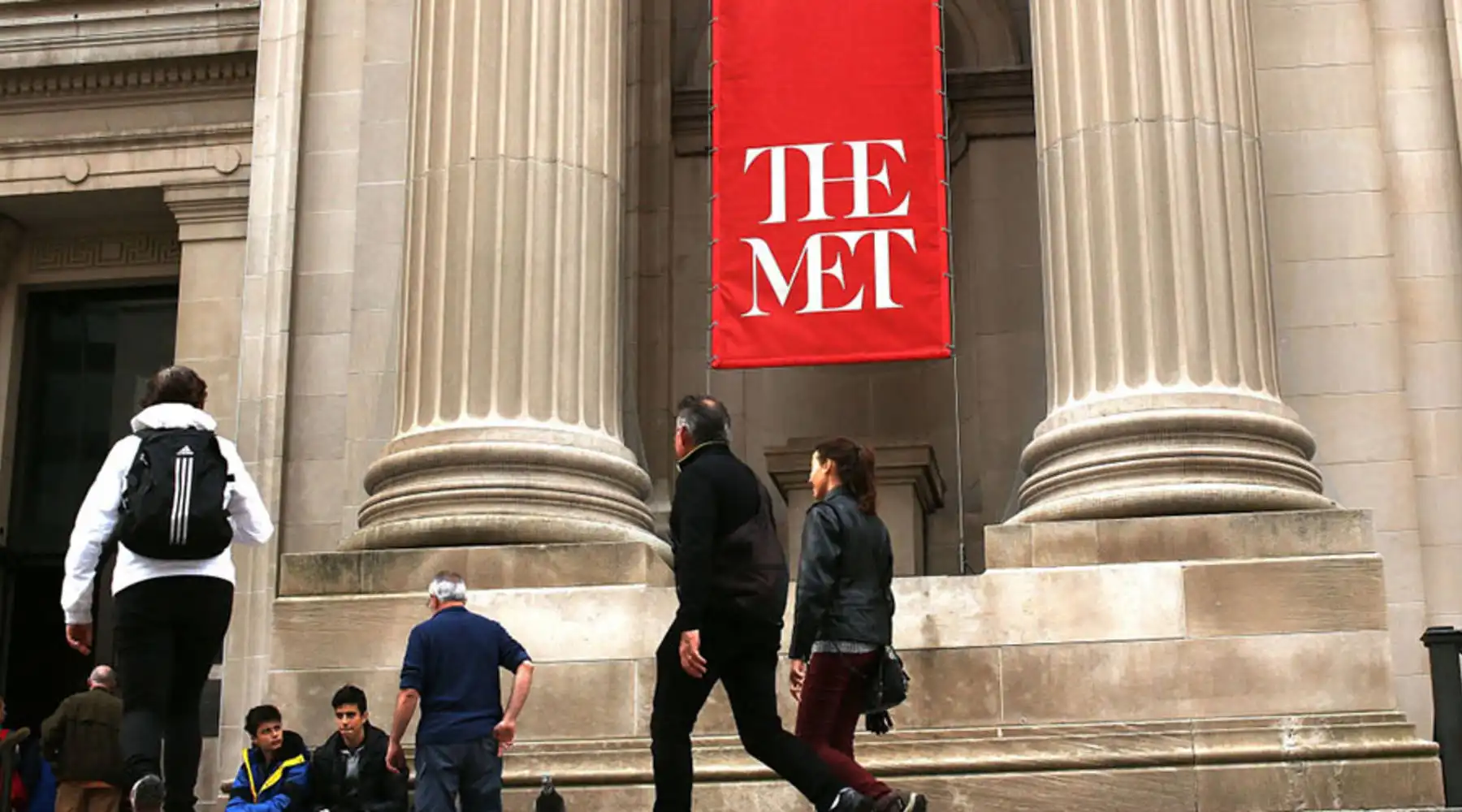
  • People congregate at the entrance to the Metropolitan Museum of Art (Met) on March 1, 2017 in New York City. 
    Spencer Platt/Getty Images

    Data shows a decision to visit a museum is more often a question of lifestyle than of finances.

  • In Shanghai, jaywalking could be recorded on your social credit file, along with refusing to visit elderly parents or not sorting your garbage into the appropriate bins.
    Johannes Eisele/AFP/Getty Images

    With a lack of financial data to assess creditworthiness, citizens are being rewarded for honesty and punish misdeeds, which are digitally archived.

  • Passengers await a bullet train on the platform at Changzhou North railway station.
    JOHANNES EISELE/AFP/Getty Images

    Critics of the program have likened it to an Orwellian creation or an episode of the TV series "Black Mirror."

  • 02/13/2018: The race to get the next generation of wireless
    all is possible/visual hunt

    (Markets Edition) The Trump administration wants to roll back Obama-era climate emission regulations, which could result in companies drilling on federal lands to let more methane get out into the atmosphere. We’ll look at the potency of the gas, and the Trump administration’s pursuit of energy dominance. Afterwards, we’ll look at the amount of money the 2019 presidential budget is allocating to combat the opioid epidemic, and then discuss how countries around the world are racing to implement a 5G wireless system.

  • Unilever’s head of marketing, Keith Weed, told an advertising conference in California that digital platforms had become “swamps” of fake news, racism and sexism. What will this mean for advertising on social media? Click the audio player above to hear the full story. 

  • Tech is an industry that a lot of young people want to go into.
    KIRILL KUDRYAVTSEV/AFP/Getty Images

    These type of jobs are most likely to be offered with small companies.

  • 02/13/2018: The world’s top business leaders are using this meditation technique
    Ludovic Marin/AFP/Getty Images

    (U.S. Edition) Point72 Asset — the investment firm of billionaire Steven Cohen — is facing a lawsuit alleging sex discrimination. On today’s show, we’ll look at the claims and discuss how Wall Street banks have ways of keeping issues like these quiet. Afterwards, we’ll look at the possibility that Unilever — one of the world’s biggest advertising spenders — will pull its ads from sites like Google and Facebook, citing racism and sexism. Plus: Our conversation with Bob Roth — CEO of the David Lynch Foundation and author of “Strength in Stillness” — about the merits of transcendental meditation. 

  • 02/13/2018: Raising $88 billion to help Iraq rebuild after war
    AHMAD AL-RUBAYE/AFP/Getty Images

    (Global Edition) From the BBC World Service … After a marathon session, South Africa’s ruling ANC party decided to recall President Jacob Zuma, giving him 48 hours to respond or else launch a parliamentary vote of no confidence. Then, Iraqi officials estimate the country needs about $88 billion to rebuild after it was seized by the Islamic State in 2014. We’ll take you to a donor conference taking place in Kuwait and explain where the money is likely to come from and how it could be spent. Afterward, a trip to Sierra Leone where the peace diamond was one of the largest gems ever discovered in west Africa. But how is the poor village where it came from faring after the rock sold for $6.5 million? 

  • The meditation technique that helps some of the world’s top business leaders succeed
    Ludovic Marin/AFP/Getty Images

    If it's good enough for Ray Dalio …

  • Passersby walk under a surveillance camera that is part of a facial recognition technology test at Berlin's Suedkreuz train station in 2017.
    Steffi Loos/Getty Images

    Facial recognition software has made huge advancements in accuracy, but it has a long way to go — specifically when it comes to recognizing people of color. Commercially available software can tell the gender of a person using a photograph. According to researcher Joy Buolamwini, of the MIT Media Lab, that software is correct 99 percent of the time when it’s looking at a white male but is less than half as accurate when looking at a darker-skinned female. Marketplace Tech host Molly Wood spoke with Buolamwini about her research and the human biases that creep into machine learning. 

  • Feb 13, 2018

    Why facial recognition software has trouble recognizing people of color

    by Molly Wood, Stephanie Hughes and Shaheen Ainpour
    Passersby walk under a surveillance camera that is part of a facial recognition technology test at Berlin's Suedkreuz train station in 2017.
    Steffi Loos/Getty Images

    "Data reflects our history, and our history has been very biased to date," MIT researcher Joy Buolamwini says.

  • Feb 13, 2018

    The darkest building on the planet is at the Olympics

    by Kai Ryssdal, Bridget Bodnar and Josie Fan
    The Hyundai Pavilion at the Pyeongchang Winter Olympics in South Korea, designed by Asif Khan, is coated with Vantablack VBx2.
    Luke Hayes

    The structure in Pyeongchang is painted with what its maker says is the darkest man-made substance, a material that absorbs 99 percent of light.

  • Today, the White House outlined a $1.5 trillion plan to deal with our nation’s infrastructure problems — everything from waterways to highways to commercial space infrastructure. But the federal government plans to provide just $200 billion of that $1.5 trillion. Where would the rest come from? Mostly from state and local governments, who already feel burdened […]

  • Jessica Saturley-Hall, founder of the Upper Valley Compost Company, picks up a bucket full of food scraps in Grantham, New Hampshire. 
    Britta Greene/Marketplace

    The Environmental Protection Agency is looking to keep food waste out of landfills. One entrepreneur in rural New Hampshire is pinning her business to that goal.

  • White House Budget Director Mick Mulvaney, President Donald Trump's pick for acting director of the Consumer Financial Protection Bureau, walks back to the White House from the CFPB building after he showed up for his first day of work today in Washington, D.C.
    Alex Wong/Getty Images

    The fiscal year 2019 budget the White House released today isn’t what you might call an “operative” piece of fiscal policy. Congress hammered out a two-year spending plan just last week, after all. But the budget is still worth a read for some of the assumptions the Trump administration’s making — like a decade of economic growth at 3 percent or more. We’ll start the show by unpacking that and the White House’s new infrastructure plan, and the math issues therein. Plus: Purdue Pharma, which makes the blockbuster opioid painkiller OxyContin, said it’ll no longer send sales reps to doctors to sell them on opioids. For a drug company known for its aggressive marketing, that’s a big deal. Our podcast The Uncertain Hour has been investigating Purdue and the regulatory roots of the opioid epidemic, and producer Caitlin Esch is back to talk us through the news.

  • Feb 12, 2018

    There’s a gender wage gap. Let’s talk about it.

    by Marketplace Weekend Staff
    An employee for Google works at the internet company's office space inside Chelsea Market in New York City. 
    Spencer Platt/Getty Images

    We want to hear from you.

  • Trump’s plan to rebuild U.S. roads relies on local dollars
    Spencer Platt / Getty Images

    The massive infrastructure plan’s path through a polarized Congress isn’t clear.

  • 02/12/2018: In this Chinese province, you better sort your trash if you want a good credit score
    AFP/Getty Images

    (Markets Edition) President Trump is releasing his 2019 budget proposal today, which will call for $4 trillion in spending. We’ll take a look at where the White House is allocating some of this money. Afterwards, we’ll talk to economist Julia Coronado from MacroPolicy Perspectives about this week’s upcoming temperature reading on inflation, and then discuss  China’s social credit system, which punishes people who engage in behavior deemed “anti-social.”

  • Low-income and middle-class homeowners might see their tax refunds shrink come 2018
    Christopher Furlong/Getty Images

    Here is why.

  •  Jerome Powell testifies during his confirmation hearing before the Senate Banking, Housing and Urban Affairs Committee on Nov. 28, 2017 on Capitol Hill in Washington, D.C.
    Alex Wong/Getty Images

    (U.S. Edition) Now that Congress has struck a budget deal and passed a tax bill, President Trump is moving on to infrastructure. We’ll look at where the White House plans to get the money for its projects and why it’ll be tough. Afterwards, we’ll discuss the billions that this flu season could cost in lost productivity, and then talk to five people named Jerome Powell about their thoughts on the economy.

  • A sign advertising flu shots is displayed at a Walgreens pharmacy on Jan. 22, 2018 in San Francisco, California. 
    Justin Sullivan/Getty Images

    This flu season could cost businesses at least $15.4 billion in lost productivity, according to one employment consulting firm.

  • Budget deal … done. Tax plan … done. Now to infrastructure reform. President Donald Trump is set to release his plan for how to update the nation’s roads, bridges and water systems today. If this all sounds familiar, it’s because the White House has been promising the plan was coming “soon” since Trump came to office.  […]

  • 02/12/2018: Australia’s biggest banks face landmark inquiry
    TORSTEN BLACKWOOD/AFP/Getty Images

    (Global Edition) From the BBC World Service … Australia’s biggest banks, among the world’s most profitable, are being accused of exploiting customers and corporate fraud. We’ll explain what a landmark inquiry is looking into. Then, the latest developments after a World War II-era bomb discovered in the River Thames brought London’s City Airport – frequented by European business travelers – to a standstill this morning. Afterward, how migration and the rise of the far right have become big issues for Italians heading to the polls for national elections next month.  

  • Feb 12, 2018

    Bitcoin is a hassle … but maybe not for long

    by Molly Wood, Stephanie Hughes and Shaheen Ainpour
    Bitcoin is a hassle … but maybe not for long
    JACK GUEZ/AFP/Getty Images

    A new technology aims to make the cryptocurrency work faster and use less computing power.

  • Feb 12, 2018

    Here’s what five people named Jerome Powell think about the economy

    by David Brancaccio and Katie Long
     Jerome Powell testifies during his confirmation hearing before the Senate Banking, Housing and Urban Affairs Committee on Nov. 28, 2017 on Capitol Hill in Washington, D.C.
    Alex Wong/Getty Images

    A little perspective for the Federal Reserve chair as he starts his term.

  • 02/12/2018: Bitcoin might be getting easier to use … or at least faster
    JACK GUEZ/AFP/Getty Images

    Buying and selling things with cryptocurrencies is hard. Every time you make any transaction, it’s recorded in the blockchain, a digital ledger. That takes up a ton of resources, such as hard drive space. But a new technology called the Lightning Network could offer a way to speed up the process. It’s a huge change in how cryptocurrencies could work. Marketplace Tech host Molly Wood spoke about it with Timothy Lee, a reporter at the tech news site Ars Technica.