Marketplace®
Every story is an economic story
  • Feb 10, 2018

    OxyContin maker Purdue Pharma to stop marketing opioids to doctors

    by Marketplace Staff and Associated Press
    The prescription medicine OxyContin is displayed Aug. 21, 2001 at a Walgreens drugstore.
    Darren McCollester/Getty Images

    Purdue’s promotions exaggerated the drug’s safety and risks of addiction, leaning heavily on one sentence used by sales reps to market the drug to doctors.

  • Feb 10, 2018

    Hey, what’s going on in the economy?

    by Kai Ryssdal
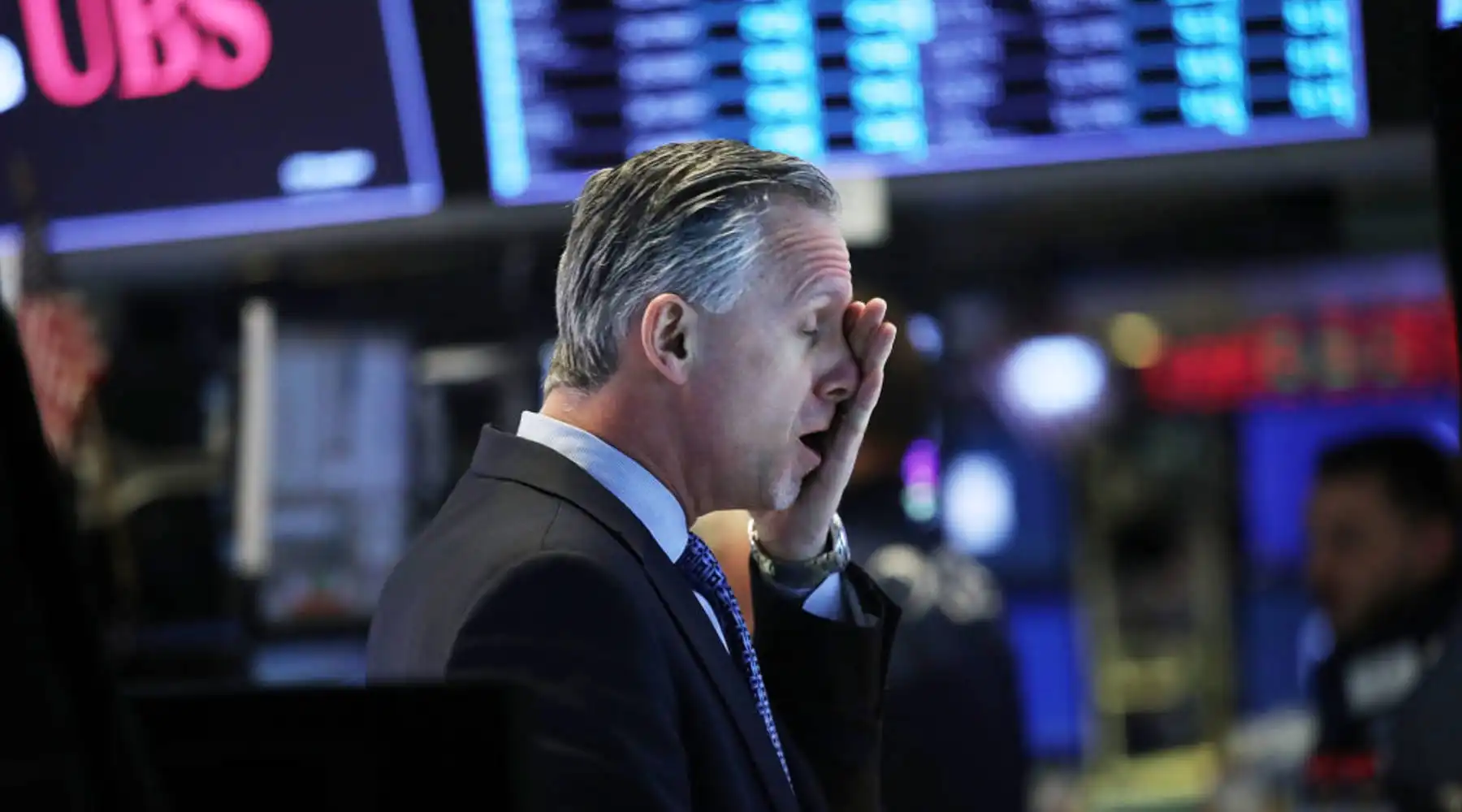
    Traders and financial professionals work on the floor of the New York Stock Exchange at the closing bell on Feb. 2.
    Drew Angerer/Getty Images

    Five days of volatile markets, a five-hour government shutdown and one budget bill later …

  • And the market forces that drive that.

  • All that advice about taking a deep breath, focusing on the long term and not obsessing about the balance in your retirement accounts as the markets take a wild ride sounds a lot better when you’re not headed toward retirement soon. Click the audio player above to hear the full story. 

  • Feb 10, 2018

    Ask a Manager: When your co-worker is driving you nuts

    by Marketplace Weekend Staff
    A chimpanzee eats fresh fruits at Rome's Bioparco zoo on August 4, 2016.
    ANDREAS SOLARO/AFP/Getty Images

    Alison Green of the Ask a Manager blog gives her best workplace advice.

  • The plunge in the stock market this week has been widely ascribed to fears that inflation is coming. But for large parts of the American economy — namely, business — inflation is already here. From car companies to restaurant groups, American companies are paying higher prices for raw materials and ingredients. The Labor Department’s Producer Price Index […]

  • As Amazon expands its logistics operations, it’s inching closer to developing a service that competes with FedEx and UPS. Shares of both package carriers fell today after news of Amazon’s new Shipping with Amazon service was reported in the Wall Street Journal. The company is piloting that service in Los Angeles, delivering some goods sold […]

  • Cardi B arrives for the 60th Grammy Awards on Jan. 28, 2018, in New York. In 2017, the Bronx-born rapper became the first solo female rapper to reach the number one spot on the Billboard Hot 100 since 1998. Her success relied heavily on fans streaming her song "Bodak Yellow."
    (JEWEL SAMAD/AFP/Getty Images)

    Whether a song becomes a hit will depend where people listen.

  • Longshoremen working on the ship COSCO Denmark at a non-automated terminal at the Port of Long Beach in 2010.
    Photo courtesy of the Port of Long Beach

    A union in California goes up against the rising tide of automation.

  • People walk by the New York Stock Exchange (NYSE) before the opening bell on Tuesday.
    Spencer Platt/Getty Images

    What a week, right? Huge market swings, a correction and, oh yeah, a baby government shutdown. Is this the new normal? That’s what we’re sorting through in the conversation that kicks off today’s show. Now let’s be clear: We’re in a correction, there’s no reason to get all jittery and do something crazy with your retirement savings. That said, it’s understandable that people’s calculations have changed in the decade since the financial crisis. Plus, revisiting “Dan and Dave,” perhaps the most famous Olympic ad campaign of all time.

  • Feb 9, 2018

    Dan and Dave, and the most famous Olympic ad campaign of all time

    by Kai Ryssdal and Bridget Bodnar
    U.S. decathletes Dan O'Brien, left, and Dave Johnson at the Modesto Relays in Modesto, California, on May 16, 1992.
    Tim DeFrisco/Getty Images

    It involves Reebok, two decathletes, and one fateful day in New Orleans.

  • Feb 9, 2018

    Why having a work spouse is good for you

    by Jana Kasperkevic
    Having a coworker to share jokes with can go a long way towards making you happier at work. 
    Andrew Burton/Getty Images

    It makes you more engaged.

  • People have been selling off billions in reaction to the markets
    Scott Olson/Getty Images

    But again, it's important to keep calm.

  • Should you be worried about big dips in the stock market?
    ALEXANDER KLEIN/AFP/GettyImages

    We gathered experts to answer this and more of your questions about the week's roller-coaster ride.

  • 02/09/2018: Explaining a 1,000-point plunge
    BRYAN R. SMITH/AFP/Getty Images

    (Markets Edition) It’s been a volatile week for the markets, with the Dow plunging about 1,000 points yesterday. On today’s show, we’ll check in with economist Chris Low about the reasons behind the giant wave of selling. Plus: What the latest $400 billion federal budget deal means for the Children’s Health Insurance Program, also known as CHIP.

  • 4 things you didn’t know about chocolate
    Courtesy of Eric Wolfinger

    Dandelion Chocolate's Todd Masonis and Greg D'Alesandre talk cocoa.

  • NBC just saw Super Bowl TV audience ratings below last year’s. Now the network will break with Olympic tradition today by live streaming the opening ceremony for the winter games in Pyeongchang, South Korea. It’s one of a few new aggressive strategies the company’s taking to boost viewership and please advertisers.

  • Were retail jobs always low wage, with few benefits?
    STR/AFP/Getty Images

    A brief history of retail work in America.

  • Sen. James Risch (R-ID) (L) and Sen. Lamar Alexander (R-TN) leave the U.S. Capitol following early morning votes on Friday in Washington, D.C. Despite an attempt by Sen. Rand Paul (R-KY) to slow down the process, the Senate passed bipartisan legislation to continue to fund the government and lift strict budget caps.
    Chip Somodevilla/Getty Images

    (U.S. Edition) While you were sleeping, the government shut down…and then voted to reopen. After Republican Sen. Rand Paul briefly helped stall a vote, the House ended up passing a $400 billion budget deal. We’ll talk to budget guru Stan Collender about where some of the money in this deal is going and why we could have another shutdown soon. Next, we’ll discuss how markets are doing in Asia following the Dow’s 1,000-point plunge yesterday, and then look at NBC’s plans to attract more eyeballs by streaming coverage of the Olympics online.

  • 02/09/2018: Europe a sea of calm amid frenzied global market action
    Sean Gallup/Getty Images

    (Global Edition) From the BBC World Service … Another turbulent session in global markets after the broad indexes on Wall Street entered correction territory. Why are European markets bucking the trend? Then, this year’s Olympic games are estimated to have cost up to $13 billion, but how does that compare to the price of other global sporting events – and is it worth the outlay for host cities? Afterwards, we’ll take you to Penang, Malaysia, where chefs who made the city’s street food famous are retiring. But because the work has become unattractive to their children, what will happen to the well-known hawker stalls? 

  • Sen. James Risch (R-ID) (L) and Sen. Lamar Alexander (R-TN) leave the U.S. Capitol following early morning votes on Friday in Washington, D.C. Despite an attempt by Sen. Rand Paul (R-KY) to slow down the process, the Senate passed bipartisan legislation to continue to fund the government and lift strict budget caps.
    Chip Somodevilla/Getty Images

    The budget deal amounts to $400 billion.

  • A new study shows that long hours on Wall Street isn't so good for your body -- or mind.
    Spencer Platt/Getty Images

    When the markets are extremely volatile, it is common to want to find a scapegoat. And you might be thinking: It’s got to be the algorithms, right? Two kinds are used in Wall Street trading: those that optimize trades that humans make and those that take risks on their own. Marketplace Tech host Molly Wood talks with Michael Kearns, a professor of computer science at the University of Pennsylvania, who creates algorithms that are used on Wall Street. He said that generally, the algorithms are not to blame for drops in the market. 

  • U.S. government shuts down for the second time in 2018
    SAUL LOEB/AFP/Getty Images

    The shutdown came after Kentucky Senator Rand Paul blocked a vote on the budget plan.

  • Feb 9, 2018

    Business cards are getting weirder

    by Kai Ryssdal and Josie Fan

    Even in this digital age, the good old fashioned business card is far from dead. But it is getting weirder.  Some creative networkers and entrepreneurs are using oddball cards with unusual shapes and materials to stand out with potential clients. “What I found is that a lot of young people really love them because they […]

  • Feb 9, 2018

    Cities find few regulatory answers for industrial odors

    by Sarah Whites-Koditschek

    An Arkansas town has little authority over smells it says comes from a meat-rendering plant.

  • one program that trains Licensed Vocational Nurses who work in rural areas for the state correctional system to be Registered Nurses
    Justin Sullivan/Getty Images

    "Meals and food is the basic way that we show love and respect for one another," said the jail's warden, Catherine Fontenot. "And that’s what we need to show with people who have offended us the greatest."

  • Dow industrials drop another 1,000 points as selling spreads
    BRYAN R. SMITH/AFP/Getty Images

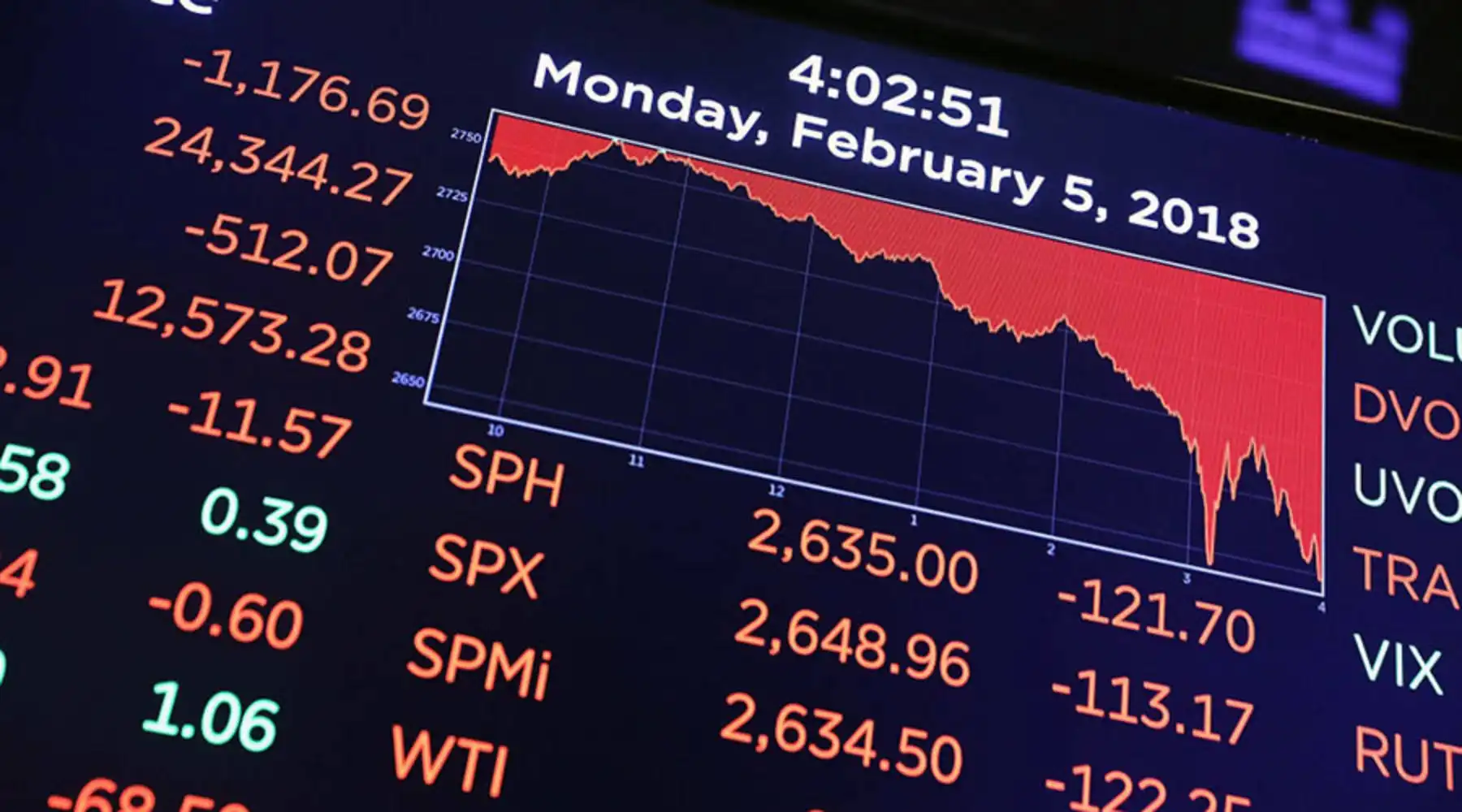
    The Dow and the Standard & Poor's 500 have dropped 10 percent from their all-time highs. That means they are in a "correction," their first in almost two years.

  • Coworkers in a meeting
    iStockPhoto.com

    A special roundtable on the stock market. Plus, what it means to have a work spouse, the economics of streaming music, how chocolate is made, from bean to bar, and what to do when a colleague is on your last nerve. 

  • 02/08/2018: It’s a correction, folks
    BRYAN R. SMITH/AFP/Getty Images

    Another down, volatile day on Wall Street. The Dow closed down more than 1,000 points, and major indices are down about 10 percent from a couple weeks ago, putting U.S. markets square in correction territory. That’s where we’ll start today’s show. Then we visit a small city in Arkansas trying to regulate the smell it says is coming from a local meat-rendering plant, and finding out there’s not much it can do. Plus: Millennials aren’t killing business cards, just making them weirder.

  • 02/08/2018: How to avoid getting sick when you travel
    ROBYN BECK/AFP/Getty Images

    (Markets Edition) Republicans and Democrats have come up with a way to keep the government funded for about two years. Diane Swonk, chief economist at the firm Grant Thornton, joined us to discuss how the bond market is reacting to Washington’s spending plans. Afterwards, we’ll look at a new study that shows southern cities have the highest credit card debt burden, and then talk to travel aficionado Mark Orlowski about ways you can keep yourself healthy with flu season underway.

  • People who have credit card debt in America carry, on average, about $11,000 of it. A new study from Creditcards.com tells us that people in southern cities have the highest credit card debt burden, particularly in Texas. Click the audio player above to hear the full story. 

  • 02/08/2018: What’s in the government’s budget deal
    Stefan Zaklin/Getty Images

    (U.S. Edition) Congress might finally approve a longer-term budget deal, with the Senate expected to vote on one today and the House to follow. On today’s show, we’ll look at some details in the proposal, which would include a big hike in military spending and an increase in the debt limit (an unpopular move). Plus: How Montecito, California, is dealing with the aftermath of a series of mudslides last month.

  • Congress had to pass a budget bill to avoid a shutdown this week. It also had to lift the debt limit or risk the government running out of money in March. So lawmakers packaged the bills. But they aren’t just doubling up on legislation, they’re doubling down on the national debt.   Click the audio […]

  • Planning ahead might be key to avoid getting sick on your next trip
    ROBYN BECK/AFP/Getty Images

    We get a few tips on how to avoid getting sick when you have to travel during this flu season.

  • 02/08/2018: Inflation in focus– what’s on tap from the Bank of England?
    Carl Court/AFP/GettyImages

    (Global Edition) From the BBC World Service … China’s yuan fell sharply this morning, at one point suffering its biggest decline since it was devalued by the country’s central bank in 2015. We’ll explain what’s pressuring the currency. Then, an interest rate decision and revised inflation forecasts are due out in Britain today. There’s been just one rate rise since the financial crisis of a decade ago … so, with Brexit risks looming on the horizon, what’s on tap from the Bank of England? Afterward, with wild weather swings, are catastrophe bonds a good investment? 

  • Feb 8, 2018

    The dot-com URL is still king

    by Molly Wood, Stephanie Hughes and Shaheen Ainpour
    The dot-com URL is still king
    Lionel Bonaventure/AFP/Getty Images

    Buying the right domain name at the wrong time can command a hefty price tag.

  • 02/08/2018: Why you don’t want to be too clever with your URL
    Lionel Bonaventure/AFP/Getty Images

    At the heart of every new business is its name — domain name, in fact. We might be a mobile internet kind of world, but the website is still king, and your URL still matters.  Marketplace Tech host Molly Wood talks with Jen Sale, a domain broker for Evergreen, which specializes in acquiring and selling premium one-word domain sites, like robot-dot-com.  

  • Of course, the Senate deal has to be approved by the House and signed by President Donald Trump. But, assuming that happens, we wouldn’t have to worry about shutdowns or continuing resolutions until the end of fiscal 2019. So what then would a two-year spending plan mean for the federal government?  Click the audio player […]

  • U.S. Senate Majority Leader Sen. Mitch McConnell walks towards the Senate chamber at the Capitol February 7, 2018 in Washington, DC. Sen. McConnell and Senate Minority Leader Sen. Chuck Schumer announced that they have reach agreement on a two-year budget deal. 
    Alex Wong/Getty Images

    As we tape this, one congressional chamber has come to an agreement about how to run the American economy, at least in part. The two-year budget deal would mean we wouldn’t have to worry about shutdowns or short-term funding bills until the middle of 2019, but it still has to pass the House and be signed by President Donald Trump. We’ll start today’s show with the latest. Then: Farming used to be a much bigger part of prison labor, but thousands of this country’s more than 2 million inmates still grow vegetables or feed crops for sale on the outside. We’ll take you to a Montana prison ranch where inmates get job training, build life skills and raise cows. Plus: a visit to the heart of “Brotopia.”

  • An inmate attaches milkers to cows' teats.
    Eve Abrams/Marketplace

    But food coming from a prison isn't necessarily a selling point.

  • Feb 7, 2018

    What will it take to change Silicon Valley’s bro culture?

    by Kai Ryssdal and Bridget Bodnar
    What will it take to change Silicon Valley’s bro culture?
    JOHANNES EISELE/AFP/Getty Images

    Emily Chang details how Silicon Valley came to be a hostile work environment for women in her new book, "Brotopia."

  • U.S. Senate Majority Leader Sen. Mitch McConnell walks towards the Senate chamber at the Capitol February 7, 2018 in Washington, DC. Sen. McConnell and Senate Minority Leader Sen. Chuck Schumer announced that they have reach agreement on a two-year budget deal. 
    Alex Wong/Getty Images

    The two-year deal gives wins to both GOP defense hawks and Democrats seeking billions for infrastructure projects and combating opioid abuse.

  • As a candidate, Donald Trump promised he'd bring change to Washington in his first 100 days in office.
    Spencer Platt/Getty Images

    In his Contract With the American Voter, he pledged to spur $1 trillion in investments for projects around the country.

  • People walk by the New York Stock Exchange (NYSE) before the opening bell on Tuesday.
    Spencer Platt/Getty Images

    Some analysts and investors are saying that a popular measure of the volatility expected in the stock market may have made things worse.

  • People walk by the New York Stock Exchange (NYSE) before the opening bell on Tuesday.
    Spencer Platt/Getty Images

    (Markets Edition) Who’s to blame for all of this recent financial turbulence? Some are pointing fingers at the VIX Index, which measures volatility. We’ll look at some of the frustration directed toward it. Afterwards, we’ll discuss the success of Tesla’s ambitious Falcon Heavy launch, and some of the competition Elon Musk will have to face.

  • 02/07/2018: What do these market swings mean for businesses?

    (U.S. Edition) With the market fluctuations we’ve been seeing this past week, does this bode badly for business decisions like hiring? While no one really knows, many analysts agree that economic fundamentals haven’t really been driving this volatility. We’ll break down some of the underlying causes. Afterwards, we’ll discuss why traders are actually fans of all these swings, and then look at why safe-haven currencies might not be the safe haven they used to be for investors at a time like this. 

  • The last few days have seen big swings in the global stock markets. During such volatile times, investors often shift their assets to what are called safe-haven currencies, traditionally the Japanese yen or Swiss franc. Why does that happen, and is now a good moment for safe havens? Click the audio player above to hear […]

  • German Chancellor Angela Merkel.
    Carsten Koall/Getty Images

    (Global Edition) From the BBC World Service … Four months after elections, Germany’s two biggest political parties have finally made a deal to form a coalition government. What will it mean for long time Chancellor Angela Merkel? Then, there are calmer waters in the global stock market after a turbulent few days – but will more volatility resurface later this year as central banks continue to move to more normal monetary policy? Afterwards, Stockholm, Sweden, is poised to implement a ban on racist or sexist advertising in public spaces. But the plans, set for a final approval vote next month, have already caused a stir among advertisers.

  • Feb 7, 2018

    Is Apple still the one to beat when it comes to smart devices?

    by Molly Wood and Stephanie Hughes
    Apple iPhones on display Feb. 1 at a Corte Madera, California, Apple Store.
    Justin Sullivan/Getty Images

    The company's known for its excellent products. But are customers willing to pay the high prices the company is asking?

  • Apple iPhones on display Feb. 1 at a Corte Madera, California, Apple Store.
    Justin Sullivan/Getty Images

    In the future, what will make us choose one product over another? It probably won’t be things like screen size or brightness. It’ll be more subtle attributes, like which phone is “smarter” than another. Apple is a company that’s known for making great products, but will those devices continue to be the best five years from now? Marketplace Tech host Molly Wood talks about it with Forrester analyst Julie Ask. 

  • The view from outside the Big Fun Toy Store in the suburb of Cleveland Heights, Ohio.
    Charlton Thorp/Marketplace

    Operating a small business, especially in a niche industry, can go either really well or not. For a couple decades, business at Steve Presser’s vintage toy store in Cleveland was booming, despite the challenges. We checked in on him on several occasions to see what it was like to be a small business owner in America’s heartland. Now […]

  • Today’s trading was the very definition of volatility
    Scott Olson / Getty Images

    But the bigger context is volatility in the markets has actually been falling over the last 30 years.

  • Feb 7, 2018

    Here’s why bond yields are rising

    by Tracey Samuelson

    When investors pull their money out of stocks and need some place to put it, they often turn to the bond market. U.S. Treasuries are considered essentially risk-free. So investors can park their cash, earn some interest and know their money will be kept safe and sound. As investors moved money from stocks to bonds […]

  • Traders work on the floor of the New York Stock Exchange on February 6, 2018 in New York City. Following Monday's over 1000 point drop, the Dow Jones Industrial Average closed up over 500 points.
    Spencer Platt/Getty Images

    The latest after the bell Tuesday.

  • Remember when a Columbia River boat pilot made us smart about shoes?
    Courtesy: Deborah Dempsey

    A look back at our interview with Deborah Dempsey, retired Columbia River Bar pilot.

    Download
  • Feb 7, 2018

    Behind all this market volatility, there’s another storm brewing

    by Kimberly Adams and Kai Ryssdal
    “I'm not concerned about market volatility. The fundamentals are quite strong,” Treasury Secretary Steven Mnuchin said today during testimony before the House Financial Services Committee after two days of historic losses in the stock markets.
    Chip Somodevilla/Getty Images

    How does fiscal policy play into what's happening in the markets?

  • Feb 6, 2018

    What to do when a colleague gets on your last nerve

    by Marketplace Weekend Staff
    An exasperated woman cries for help on the phone, circa 1940.
    Fox Photos/Getty Images

    Alison Green shares tips for dealing with annoying co-workers.

  • Closing numbers are displayed at the New York Stock Exchange in 2018.
    BRYAN R. SMITH/AFP/Getty Images

    Algorithms don’t generally create steep declines, but they do amplify trends, one expert says.

  • Traders work on the floor of the New York Stock Exchange on February 6, 2018 in New York City. Following Monday's over 1000 point drop, the Dow Jones Industrial Average closed up over 500 points.
    Spencer Platt/Getty Images

    How are we doing today? Everyone feeling a little better? With clearer eyes and some of yesterday’s dive recovered, let’s take a closer look at what’s going on in the stock market. We’ll talk about algorithmic trading, bonds and the international market. Plus, don’t forget there’s a whole other storm brewing: We’re two days from another potential government shutdown.

  • Traders work on the floor of the New York Stock Exchange on February 6, 2018 in New York City. Following Monday's over 1000 point drop, the Dow Jones Industrial Average briefly fell over 500 points in morning trading. 
    Spencer Platt/Getty Images

    The latest on markets following a global sell-off.

  • Consumer and business confidence in the economy can play a big part in market volatility

  • Traders and financial professionals working on the floor of the New York Stock Exchange (NYSE).
    Drew Angerer/Getty Images

    The markets had been hitting record highs, but this reversal might be a good thing.

  • General Motors reports fourth-quarter earnings before the market opens today. Analysts are expecting an earnings increase for the big carmaker, which retook the lead from Tesla in market valuation last year. GM stock rallied 20 percent in 2017 as the company unveiled bold plans for driverless taxis. Click the above audio player to hear the […]

  • 02/06/2018: Volatile markets around the world
    Stephanie_Asher on Visual hunt

    (Markets Edition) Stock market volatility has been extreme this morning, with the Dow seeing a rebound that followed a dip at the open of trading. And with global stock market indicators also down, we’ll talk to market experts about the causes of this and why we shouldn’t worry. Plus: A look at General Motors’ push to enter the driverless car market.

  • 02/06/2018: Why some people are relieved the market is going down
    BRYAN R. SMITH/AFP/Getty Images

    (U.S. Edition) The Dow dropped almost 1,200 points yesterday in a record plunge. But no need to panic yet. We’ll look at what may have triggered the sell-off.  Afterwards, we’ll talk to Marketplace economics correspondent Chris Farrell about why some people are actually relieved that the market took that huge plunge, and then we’ll discuss how markets in Asia are faring, following volatility in the U.S.

  • A man stands near screens showing stock market figures at a securities company in Beijing on Feb. 6, 2018.
    GREG BAKER/AFP/Getty Images

    (Global Edition) As losses in global stock markets continue in Asia and Europe, we explain why many investors are calling the downdraft a “healthy pause.”  Then, Chile has been given the largest donation of private land to any government in the South American region, which will be used to create five new national parks. But will it help the government’s determination to promote tourism?

  • With so many areas of modern life requiring identity verification, online security remains a constant concern.
    Leon Neal/Getty Images

    When hackers broke into the credit reporting agency Equifax last year, they stole the Social Security numbers, birth dates, addresses and driver’s license numbers of over 140 million people. There was speculation that the Consumer Financial Protection Bureau would crack down on credit agencies and require better data handling. But this week, we found out that while there still might be consequences over the Equifax breach, they won’t come from the CFPB. Marketplace Tech host Molly Wood talks about it with Patrick Rucker, who had the exclusive for Reuters.

  • Personnel sweep the floor after the closing bell of the Dow industrial average at the New York Stock Exchange today.
    BRYAN R. SMITH/AFP/Getty Images

    Economic growth is strong, unemployment is low — there were no major global disasters that could trigger the Dow plunging more than 1,100 points today. So what happened?

  • Jerome Powell was sworn in as the new chairman of the Federal Reserve today. But it’s his predecessor, Janet Yellen, who’s making waves in the markets. Last Friday, in one of her last actions as Fed chair, Yellen slapped an unprecedented penalty on Wells Fargo. The bank can no longer grow larger until it makes […]

  • Feb 6, 2018

    Building an agricultural empire in a land of drought

    by Amy Scott and Sean McHenry
    A Wonderful Company citrus orchard.
    Photo courtesy of Trent Davis Bailey/The California Sunday Magazine

    The Wonderful Company produced more pistachios and almonds than anyone else in the world. But to make money, they need water.

  • A trading board on the floor of the New York Stock Exchange shows today's closing numbers.
    Spencer Platt/Getty Images

    Let's break down today's wild ride in the stock market. Should you be concerned?

  • Traders work on the floor of the New York Stock Exchange on February 5, 2018 in New York City. Following Fridays's over 600 point drop, the Dow Jones Industrial Average fell over 300 points after the Opening Bell.
    Spencer Platt/Getty Images

    The drop erases the year's gains so far.

  • Traders work on the floor of the New York Stock Exchange on February 5, 2018 in New York City. Following Fridays's over 600 point drop, the Dow Jones Industrial Average fell over 300 points after the Opening Bell.
    Spencer Platt/Getty Images

    It’s the Dow’s biggest single-day point drop on record. We’re starting off today’s show with some context: What we know, what we don’t and how serious to take it. Then: If you’ve ever had Wonderful Pistachios, POM pomegranate juice or Halo mandarin oranges, you’re familiar with The Wonderful Company, which operates one of the largest farms in the world. Despite record droughts in California, it actually increased yields. Plus: Economic theory says the Eagles’ first Super Bowl win last night was more valuable than what would have been the Patriots’ sixth. We’ll talk about why.

  • Jerome Powell will be sworn in as chair of the Federal Reserve on Monday.
    Drew Angerer/Getty Images

    Feuding congressmen, a formula to set monetary policy and the Swedes all played a part in this epic Twitter thread. We've set it to music.

  • 02/05/2018: Don’t panic about the markets just yet
    John Moore/Getty Images News

    (Markets Edition) As the markets tumble, we’ll check in with economist Julia Coronado from Macropolicy Perspectives about why we shouldn’t be panicking. Afterwards, we’ll look at the Fed’s order to have Wells Fargo kick off four members from its board, and then discuss the push to have the Family and Medical Leave Act provide more paid time off for employees. 

  • The Family Medical Leave Act was signed into law a quarter of a century ago today. It was an important step in granting American workers time to care for newborns or sick loved ones. Now, though, U.S. support for families lags behind most developed countries, but there is momentum to update the program.  Click the […]

  • Supporters of the Deferred Action for Childhood Arrivals (DACA) demonstrate during a rally in front of the White House on Sept. 5, 2017 in Washington, D.C. 
    ERIC BARADAT/AFP/Getty Images

    (U.S. Edition) Friday’s weak showing for stocks — the weakest day for stocks of the Trump presidency — is contributing to drops around the world. We’ll hear more from Michael Hewson, chief market analyst at CMC Markets, about what could be going on. Afterwards, we’ll look at why the January jobs report — which showed American workers were getting paid more — might not be as positive as it seems. Plus: We dive into a new survey from GenForward — an ongoing study that looks at how millennials across different racial groups think about major societal issues — that shows where millennials stand on the issue of immigration.

  • Feb 5, 2018

    Where millennials stand on immigration

    by David Brancaccio and Janet Nguyen
    Supporters of the Deferred Action for Childhood Arrivals (DACA) demonstrate during a rally in front of the White House on Sept. 5, 2017 in Washington, D.C. 
    ERIC BARADAT/AFP/Getty Images

    Most millennials across all races support citizenship for immigrants who meet DACA requirements, but they disagree about whether immigrants are taking away jobs.

  • 02/05/2018: Tensions high in Britain over trade after Brexit
    Christopher Furlong/Getty Images

    (Global Edition) From the BBC World Service … Brexit is causing political turmoil with talk that Prime Minister Theresa May could be removed by her own party. We’ll bring you the latest on U.K.-EU divorce talks. Then, the heir to Samsung has been freed from prison after a year behind bars. Afterwards, a journey to South Korea where, despite facing corruption allegations and mounting pressure to  step down, the country’s president still remains in office. We’ll explain what’s next for party leaders who are meeting today to discuss their next move.

  • Feb 5, 2018

    When companies choose not to go public, does that hurt the public?

    by Molly Wood and Stephanie Hughes
    When companies choose not to go public, does that hurt the public?
    Chris Hondros/Getty Images

    Fewer companies are going public than did 20 years ago. How does that change the fortunes of all Americans?

  • 02/05/2018: Why fewer tech companies are going public
    Chris Hondros/Getty Images

    Market volatility aside, why does a company decide to go public?  Is it just to repay investors, or is it about scaling the product, or is it about having a big branding event? Marketplace Tech host Molly Wood talks with venture capitalist Annie Lamont about why tech companies decide to go public, and why fewer are taking the leap.