Marketplace®
Every story is an economic story
  • Per-student funding is still below pre-recession levels in 30 states.

  • Oct 17, 2014

    Apple growers try to move beyond boom and bust

    by Rowan Moore Gerety

    Growers are using computers and DNA sequencing to create sweeter, crisper apples.

  • Thanks to white broadcast spaces, you can stream meerkats.

  • This weekend, Lizzie O’Leary and Harvard Business School professor Nicolas Retsinas explain why fewer Americans are moving to new cities. Why do we live where we live? Then, we look into the growing business of high school sports. Marketplace Tech host Ben Johnson explains what white spectrum is and why it could lead to faster internet speeds. Marketplace turns 25 years old, we look at how costs in the economy have changed since. And Nicholas Carlson and Joe Weisenthal join Lizzie for brunch to see what’s next in the business world. 

  • Oct 17, 2014

    Weekly Wrap: Volatility, always

    by Kai Ryssdal

    Kai talks with John Carney and Linette Lopez for the Weekly Wrap.

  • Nearly half of Americans are “very" or "somewhat" concerned they'll contract Ebola

  • Oct 17, 2014

    Free Starbucks for life?

    by Kai Ryssdal

    If you only plan on living another 30 years.

  • 50% of Americans are either “very concerned” or “somewhat concerned” they will contract Ebola, a study says. How is corporate America reacting? Plus, as the midterm elections approach, tech giant Google has spent $1.43 million on political donations this year, surpassing spending by Goldman Sachs, a bank well-known for its political links. We explore why Google is spending the money and where it’s going. Finally, Ron Klain is the new Ebola Czar. We explain the ultimate purpose of the job and why it’s better to be a Czar than a real government official.    

  • Google's Political Action Committee has spent $1.43 million on political donations so far this year, more than Goldman Sachs. Why is the tech giant shelling out and where does the money go?

  • Here's what you'll need to qualify for the job.

  • Why don't employers make it easier to apply for a job?

  • Market volatility, HBO going rogue, and companies freezing female employee's eggs.

  • The disease has no cure, and production is down in some Florida groves.

  • Should high school football games be televised?

  • Oct 17, 2014

    The numbers for October 17, 2014

    by Tony Wagner

    The UN's trust fund to fight Ebola has only raised $100,000. Let's do the numbers.

  • Oct 17, 2014

    A better battery is hard to invent

    by Scott Tong

    Better batteries are the key to better consumer electronics and electric cars.

  • Unbreakable encryption means "going dark" for law enforcement.

  • Oct 17, 2014

    PODCAST: Travel bans

    by David Gura

    A rocky week for investors, the trouble with travel bans, and organ transplants.

  • Oct 17, 2014

    Why a travel ban is so tough to pull off

    by Kate Davidson

    Calls for banning travel from West African nations hit by Ebola grew louder.

  • It’s the end of what has been a rocky week for investors—One of the worst in years. No markets were immune: commodities took a hit as oil prices continued to fall lower. Investors have been concerned about political upheaval about the spread of ebola. We take a look at the state of the global market. Plus, the midterm elections are just a few weeks away, and according to a new report from the Wesleyan Media Project, campaigns and committees have spent over $917 million dollars on ads. When all’s said and done, it’s expected they’ll have spent a billion. This is a payday for local TV stations, but many politicians and political action committees are buying more and more ads on cable.  

  • First up, Queena Kim joins us to talk about the forthcoming Apple Pay. And how well have you kept up with the week in tech news? Host Ben Johnson takes on Dave Albert, co-founder of Hacker School, a retreat for computer programmers in New York City, for this week’s Silicon Tally.

  • How well have you kept up with the week in tech news?

  • The National Organ Transplant Act is 30 years old this month.

  • Oct 17, 2014

    Cable eclipsing broadcast for political advertising

    by Nancy Marshall-Genzer

    Over-the-air TV is scattershot, while cable can be much more targeted.

  • California cities don't like the word "rationing," but "pricing" can serve the same purpose.

  • What’s everybody so unhappy about?

  • No, he wouldn't sing for us. We asked.

  • Retailers are adding a lot of temps, but what's the long-term employment benefit?

  • Oct 16, 2014

    Bono apologizes for free iTunes album

    by Lizzie O'Leary

    Automatic download of newest U2 album "Songs of Innocence" angered some users

  • Oct 16, 2014

    Why the Ebola patients were transferred

    by Dan Gorenstein

    Both nurses infected by an Ebola patient have been sent to different hospitals.

  • It's been a wild week on the stock market. The causes are numerous–from Europe to ebola to weak economic growth in the United States. But what are the likely effects–beyond the markets themselves?

  • New metrics can measure whether we are looking at and engaging with online ads.

  • The market continued its downward trajectory Thursday with an overabundance of choices as to why: blame Ebola, blame earnings or even blame Netflix. Some economists believe this is only the beginning as the current volatility affects investors, business and consumers. Next: Our health care system is built around specialty care. As Ebola patients are sent across the country for treatment, hospitals look at what it takes to specialize in treating the disease given the need for expert training. Finally: Amazon announced Thursday plans to hire 80,000 seasonal workers for the company’s distribution centers, a 14 percent increase from last year. Some holiday hires move up to full-time jobs, but what happens to those who don’t?

  • Oct 16, 2014

    The numbers for October 16, 2014

    by Tony Wagner

    Will today's announcement solve Apple's iPad problem? Let's do the numbers.

  • Oct 16, 2014

    PODCAST: Here’s my video resume

    by David Gura

    Industrial production data, video resumes, and Mexico's attempts to attract investors.

  • Yesterday was another crazy trading day in the U.S. with some big swings. The markets have had a lot to process, and there’s a sense among many investors that this kind of volatility’s going to continue. More on that. Plus, Facebook’s CEO and co-founder, Mark Zuckerberg, made a $25 million donation with his wife, Dr. Priscilla Chan. The money is going to the CDC’s philanthropic arm, the CDC Foundation. We speak with her about what motivates the large gift.  

  • First up, Amanda Lotz, Associate Professor of Communications Studies at the University of Michigan, and author of “The Television Will Be Revolutionized,” talks about HBO’s online only option. Plus, Leslie Horn, a writer for Gizmodo, joins us for a conversation about coming around to the idea of leaving and listening to voicemails after her dad passed away.

  • People are starting to buy homes again but challenges like tight credit remain.

  • An exclusive interview with Priscilla Chan, pediatrician and wife of Mark Zuckerberg.

  • Oct 16, 2014

    The value of voicemail

    by Molly Wood

    The voicemail: Is it a relic? Is it good etiquette? Or is it something more?

  • Oct 16, 2014

    A push to hire the long-term unemployed

    by Kate Davidson

    One company’s approach: Forget resumes. Turn to videos.

  • Oct 16, 2014

    Quiz: How much is a work-study job worth?

    by Marketplace Staff

    More than 700,000 higher-ed students get federal work-study funds.

  • Oct 15, 2014

    You can buy ebola.com for $150,000

    by Kai Ryssdal

    Jon Schultz bought the domain name for $13,500. Now he wants six figures.

  • Oct 15, 2014

    HBO is cutting the cord. Will cable survive?

    by Kai Ryssdal and Ben Johnson

    Marketplace Tech's Ben Johnson says cable's days may be numbered

  • Oct 15, 2014

    Retail’s new normal

    by Tracey Samuelson

    September retail sales take a slight dip from August.

  • Impossible Foods aims to make traditional animal products by using plants

  • The NBA experiments with a shorter game this Sunday. But does it mean less is more for basketball?

  • Retired Lt. Cl. John Nagl reflects on his time in the "first two" Iraq wars.

  • Training will be costly, but not all hospital staff need the training.

  • Texas Health Presbyterian is a community hospital up against Ebola, and the CDC now says every hospital in the U.S. should be prepared for an Ebola patient. With 5,000 community hospitals in the nation, plenty of training, time and resources are needed to fight the virus. Next: Retail sales dropped down this month, but still did better than expected. With consumer behavior changing during the last decade, do the metrics used to judge and predict consumer spending work anymore? Plus: The NBA is experimenting this Sunday with the pre-season game between the Boston Celtics and Brooklyn Nets. Game time will be four minutes shorter than usual, but could less mean more?

  • Oct 15, 2014

    The numbers for October 15, 2014

    by Tony Wagner

    How many ways can you catch Ebola on a plane? Let's do the numbers.

  • Oct 15, 2014

    Rethinking a corporate inversion

    by Amy Scott

    Pharmaceutical company AbbVie says it will reconsider a merger in light of new tax regulations.

  • AbbVie reconsiders a deal, Netflix charges for ultra-high-def, and the trouble with oil booms.

  • First up, Ted Sarandos, Chief Content Officer at Netflix, on shipping Netflix’s original content overseas. Then, Stephen Cobb, Security Researcher at ESET, talks about what users should keep in mind when using 3rd party services on top of apps like Snapchat and Dropbox. Finally, Susan Crawford, Visiting Professor at Harvard Law School and co-author of The Responsive City: Engaging Communities through Data-Smart Governance, joins Ben to discuss how city governments can make better choices with respect to data and technology.

  • When the markets closed yesterday, a barrel of U.S.crude oil was trading at $81.84. That’s the lowest it’s been in years, and it’s bringing down the cost of gasoline. That may be good news for consumers in this country, but there is a growing debate among countries that export oil about whether prices have fallen too far, too fast. One of those countries, Venezuela, has called for an emergency meeting next month. More on that. And Medicare’s open-enrollment period starts today, and some beneficiaries will notice a few changes to the program. As baby boomers retire, Medicare is being pulled in new directions. Plus, the U.S. is the biggest importer of Mexican avocados. Every year, Americans eat 1.7 billion pounds of them. But Mexico is eyeing an even bigger market: Asia.    

  • But eventually, you'll want to watch "House of Cards" on 4K, ultra-high-def TV.

  • Oct 15, 2014

    Avocado sales ripen around the world

    by Lauren Silverman

    Avocado growers in Mexico are eyeing a larger market in Asia.

  • Oct 15, 2014

    Medicare open enrollment brings change

    by Nancy Marshall-Genzer

    Medicare's annual open enrollment period starts today. What has changed?

  • Oct 15, 2014

    One shortage in booming oil fields: regulators

    by Marketplace Contributor

    State agencies find that industry offers higher salaries to new college graduates.

  • Yes, I know it's not even Halloween yet. Don't get me started.

  • Facebook's Mark Zuckerberg joins Bill Gates and others with $25 million pledge

  • Mark Zuckerberg and his wife Priscilla Chan just pledged $25 million.

  • Oct 14, 2014

    Quiz: Media multitasking and the teenage brain

    by Marketplace Staff

    What share of teens actually works better amid digital distractions?

  • Oct 14, 2014

    MOOCs go to high school

    by Adriene Hill

    Massive open online courses are going after the teenage market.

  • Oct 14, 2014

    More fracking produces more open waste pits

    by David Martin Davies

    Residents of a Texas town are apprehensive about sludge pits planned in their community.

  • Oct 14, 2014

    Behind big banks profits, a sea change

    by Stan Alcorn

    Has 'the American Bank' has changed since the financial crisis?

  • What does weak demand for oil say about the overall economy?

  • Three big banks reported earnings Tuesday: JP Morgan, Citigroup and Wells Fargo. The results show how “the American bank” has changed since the financial crisis. Next: Projections for an increase in oil demand are at the lowest level since 2009 – according to the International Energy Agency – a reflection of how the global economy is struggling to grow five years since the depths of the financial crisis. Plus: Facebook CEO Mark Zuckerberg announced he and his wife Priscilla Chan will donate $25 million to the Centers for Disease Control and Prevention to help fight Ebola. A look at why private money is flowing into the fight, and how different it is from support for natural disaster.  

  • Some cars play engine noise through speakers to give drivers that familiar VROOM.

  • Oct 14, 2014

    The BuzzFeed wizard who changed media as we know it

    by Kai Ryssdal and Tommy Andres

    The woman who's credited for BuzzFeed's data-driven growth spills her guts.

  • Oct 14, 2014

    The numbers for October 14, 2014

    by Tony Wagner

    Cupcakes, the cost of digital projectors and more numbers we're watching today.

  • Oct 14, 2014

    Google expands delivery service

    by Amy Scott

    New front in the battle for online customers: same-day delivery.

  • Oct 14, 2014

    PODCAST: Talking statues

    by David Gura

    OPEC cuts oil prices, Google vs. Amazon, and talking statues.

  • On today’s show, Lindsey Turrentine, Editor-in-Chief of Reviews at CNET, talks about the launch of Playstation TV & why Sony wants in on the streaming content business. Plus, Stephen Beard tells the story of 29 high tech statues that have been given voice as part of a public art project in London.

  • A lot of lending isn’t subject to regulation; It takes place in what’s called the shadow banking sector. The players are hedge funds, money market funds, and private equity groups. This posed a big problem during the financial crisis, as there wasn’t enough liquidity. Now, international regulators have come up with a new rule designed to keep that from happening again. Plus, many banks are expected to announce quarterly earnings today, and many analysts expect to see profits in a place that’s hasn’t been that exciting, traditionally: credit cards. And the French economist Jean Tirole is the newest Nobel laureate. The Swedish Academy called him “one of the most influential economists of our time.” Tirole’s spent his career studying regulation and how markets work, concluding different sectors have to be regulated differently. A few hours after Jean Tirole was named the recipient of this year’s Nobel Memorial Prize in Economic Science, we spoke with him by phone.  

  • From Queen Victoria to Sherlock Holmes, London's statues can talk.

  • Oct 14, 2014

    Banks seek profits in credit cards

    by Tracey Samuelson

    Many analysts are looking for profits in a traditionally dull place: credit cards.

  • Oct 14, 2014

    The magic number in fighting Ebola

    by Dan Gorenstein

    Healthcare workers must get the transmission rate below the number one.

  • Oct 13, 2014

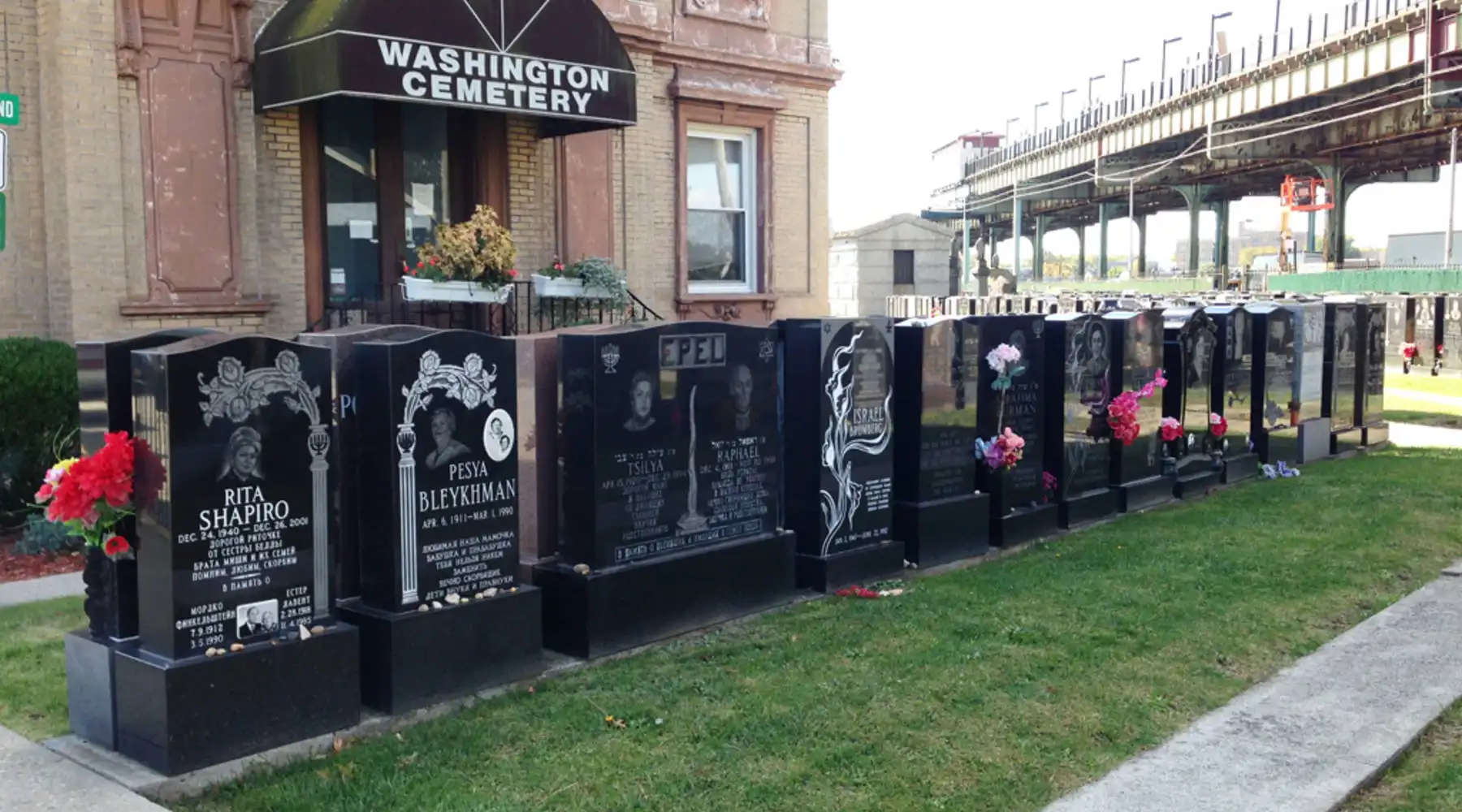
    How do cemeteries make money?

    by Tracey Samuelson
    Even the front lawn of Washington Cemetery is crammed full of plots. 
    Tracey Samuelson/Marketplace

    The better question may be: What do they do when they run out of space?

  • Whoever said 'there’s plenty of room for everyone on the Internet' was wrong.

  • In the Eurozone's strongest economy, support is rising for a party that wants to pull out of the euro.

  • The department store needs new ways to compete with Target and Wal-Mart.

  • Department store chain, JC Penney has announced that Marvin Ellison will take over as President and CEO. Execs hope that Ellison, who will be the third CEO in less than four years, can improve its flagging fortunes. Plus: The Pentagon issues a report on its plans for dealing with energy and climate change. This isn’t about polar bears or politics – the Pentagon is the big spender in alternative energy as a matter of national security. Finally: Another Frenchman has won the Nobel Prize. Jean Tirole has studied regulation and large corporations, and determined that you cannot take a one size fits all approach to regulating industry. 

  • The Pentagon sees climate change ratcheting tensions in already problematic regions.

  • Very few businesses took the day off.

  • The story of the missed call that ended with a Nobel Prize for Jean Tirole.

  • Oct 13, 2014

    Explaining the theory that got Jean Tirole his Nobel

    by David Weinberg and Tony Wagner

    In short, Tirole showed the complexities of negotiating with regulators.

  • Oct 13, 2014

    Quiz: Does public education need a makeover?

    by Betsy Streisand

    When asked about the education system broadly, what percentage of parents said it needs a complete overhaul?

  • Oct 13, 2014

    The numbers for October 13, 2014

    by Tony Wagner

    Snapchat, Ebola and more numbers we're watching and reading today.

  • Five months after a J.C. Penny store closed in Butte, retail trucks on, slowly.

  • Oct 13, 2014

    Railroads profit from energy boom

    by Amy Scott

    Canadian Pacific Railway reportedly approached CSX about a merger.

  • Controlling the panic over Ebola, a railway merger, and mining asteroids.

  • It’s advantageous for companies to do business in Ireland because of how that country calculates taxes. Tech giants like Google, Facebook and Apple have set up subsidiaries there, and in doing so, have saved billions of dollars thanks to a tax rate that’s way lower than the rates in many other countries. Well, the Irish government is expected to unveil a new budget tomorrow, and there are reports it’ll include a proposal to close that tax loophole. Plus, financial innovation in the housing market is back. We’re hearing terms like “R-E-O-to-rental securitization, or “rental backed-securities.” If you’re having flashbacks to the a sub-prime crisis, you’re not alone. But many are saying this is a different animal.

  • First up, Ryan Calo, an Assistant Law Professor at the University of Washington and an affiliate scholar at the Stanford Center for Internet and Society, joins us to talk about why he thinks we need a Federal Robotics Commission. Plus, the human race’s efforts to understand our universe will take a huge leap forward next month when a spacecraft lands on a comet for the first time. Europe’s Rosetta spacecraft, which is just about the size of a small car, is on a landmark mission for science, but the project will also provide vital research for ambitious plans to conduct mining on asteroids. 

  • Fight inflation, get a pin.

  • Robotics and A.I. are challenging to govern. Should we leave it to the experts?

  • The U.S. Energy Department says heating costs are likely to be less this winter.

  • CDC steps up outreach to frontline health workers with precautions to tackle Ebola.

  • Innovation in housing finance is making it easier and more profitable to rent.

  • Oct 13, 2014

    Three charts that show why your heating bill will fall

    by Tony Wagner and Shea Huffman

    Natural gas prices are up but demand is expected to plummet, spelling savings.