With food prices on the rise, Sarah Gardner asks why it costs twice as much to make an omelette. She discovers cracking the price of eggs is quite the riddle.
Wallets are being squeezed from all sides, but with an eye for bargains, you can eat healthy and on the cheap. Brendan Newnam dines with L.A.'s 99-Cent Chef.
New York City's Chanterelle restaurant offers menus decorated with limited-edition art, a 5000-bottle wine cellar and some of the best cheese in the world. Better have a good fromager.
Tess Vigeland and Chris Farrell give advice on paying for a student's college costs, helping mom with retirement, and the No-Brainer, Margarita and Couch Potato portfolios.
Even if they don't understand the specifics, your kids probably know that something's not quite right in the financial world. Host Tess Vigeland asks Kiplinger's Janet Bodnar how best to discuss the crisis with them.
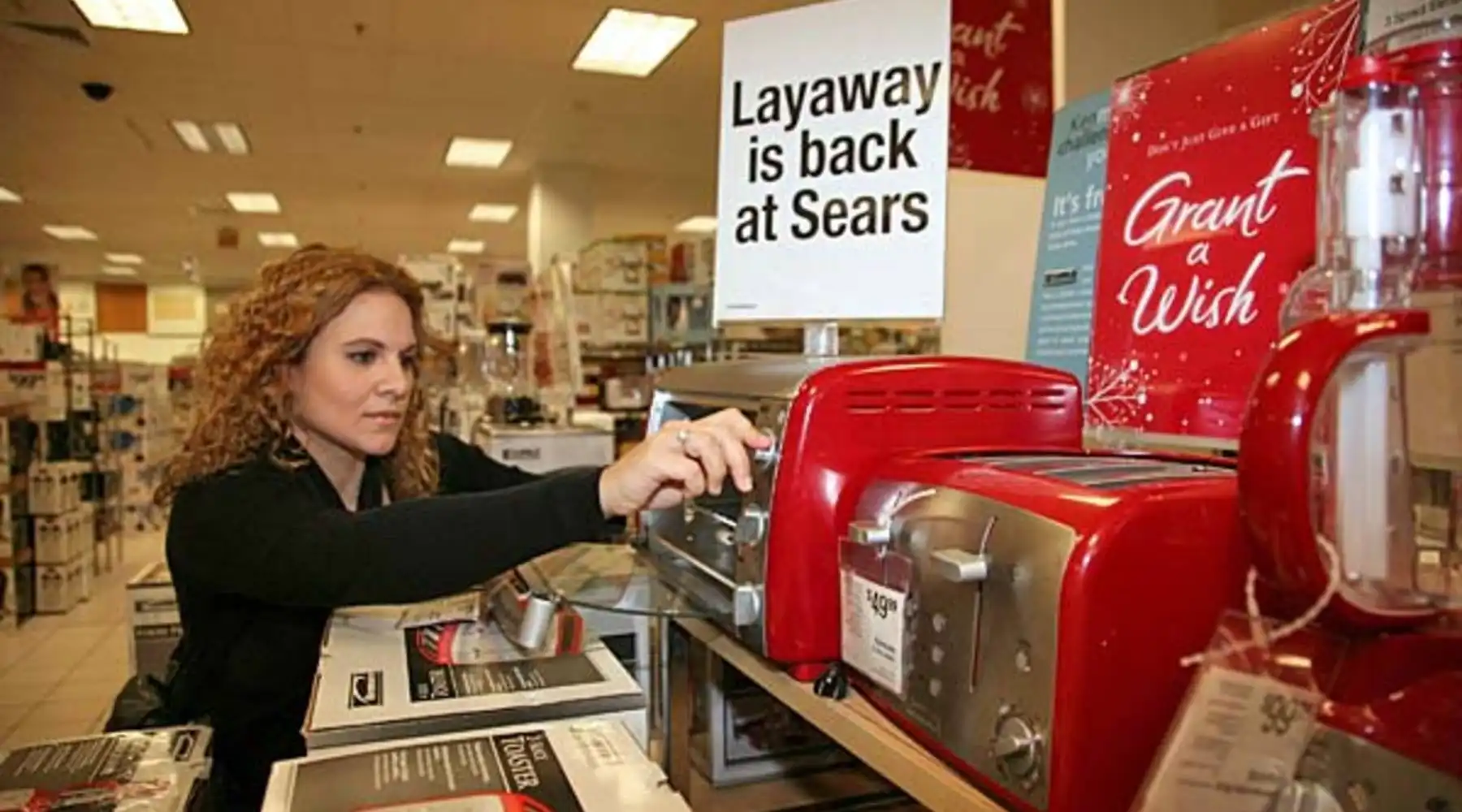
Knowing people have less cash in their wallets, some retailers are turning to old tricks to get shoppers spending money during the holiday season. Stacey Vanek-Smith reports.
Citigroup is teetering on the edge of collapse, and the Federal Reserve keeps trying to salvage the economy by throwing money at it. Senior Business Correspondent Bob Moon reviews the week's developments in the financial crisis.
A stampede of Black Friday shoppers trampled a man to death on Long Island, and two shoppers were shot to death in a toy store near Palm Springs. In spite of the crowds, some analysts said sales were down. Ashley Milne-Tyte reports.
Regional airports were thriving on the passenger overflow from the big airport hubs. But as airlines cancel routes and make other cutbacks, that overflow has turned into a trickle. Hugh Hill reports.
Obama's economic team was a big story this week. Kai Ryssdal talks with N.Y. Times columnist David Leonhardt and Atlantic.com writer Megan McArdle about the president-elect's picks and other market news.
Companies that lay off rank and file employees are missing an opportunity for success. Commentator Amelia Tyagi suggests simultaneously replacing some executives to generate innovation and change.
Los Angeles, one of the nation's most smog-filled cities, is trying to turn its skyscrapers green. The effort would also create jobs. A green building measure is waiting for city council approval. Rob Schmitz reports.
OPEC ministers are meeting to discuss plummeting oil prices. They are expected to call for a production cut. Stacey Vanek-Smith reports that doesn't mean the OPEC member countries will actually do it.
While the stores throw deep discounts to their customers in order to hit sales out of the park today, shoppers are spending carefully. Danielle Karson spoke to a few at a mall in Bethesda, Maryland this morning.
The United Nations holds a forum this weekend on international financing for poorer nations, and purse strings are a lot tighter for investors this year. The credit crunch isn't helping either. Stacey Vanek-Smith reports.
OPEC holds an emergency session in Cairo tomorrow. They want the cartel to announce a cut in output of a million barrels a day in order to prop up the price. But Stephen Beard reports it may not work.
In the second part of his interview with Macy's Terry Lundgren, Kai Ryssdal asks the CEO how he'll know if Black Friday will be a success for him, and what he's learned about hard times working in retail for 30 years.
While the crowds are swarming some stores around the country, other retail openings went off with less of a bang. Still, some shoppers enjoy coming in early in the morning for other reasons. Phillip Martin has more.
Food banks are reporting their donations are down at a time when demand is at a high. Joel Rose goes to a food bank in Philadelphia and finds out how bad the situation is in a region where hunger is on the rise.
A new web-based network dubbed "Hurricane Facebook" allows businesses to stay in touch and get valuable information when storms hit. Dan Grech looks into how much time and money went into the effort and who's involved.
Retail employers are waiting for the results of today's sales to see if they can afford to beef up their staffs for the holiday. Andrea Gardner reports.
Retailers are hoping for a prosperous Black Friday to save a holiday season with dark prospects. So far, things are looking pretty good. Marketplace's Paddy Hirsch checks in with Scott Jagow from the Great Mall in San Jose, Calif.
Demand for food assistance is rising and food banks are struggling to keep up. Senior Correspondent Bob Moon visits a mission to see what demand looks like first hand.
A German entrepreneur has created a holiday job for himself: He's selling a chocolate Jesus. But not everyone likes to mix their candy with their spirituality. Kyle James reports.
Retailers are rolling out specials for what's typically one of the busiest holiday shopping weekends. Will the shoppers come? New York Bureau Chief Amy Scott reports.
India closed financial markets in the wake of terrorist attacks in Mumbai, and with grenades going off in the commercial district, most people stayed away. Is a return to normal possible? European Bureau Chief Stephen Beard reports.
The terrorist attacks on Mumbai came at a hard time for the Indian stock market. Scott Jagow talks to Roopak Saluja, a film producer in Bombay, about the effects attacks will have on different Indian industries.
Robert Chambers could have easily retired after leaving car sales and owning several businesses. Instead, he has channeled his energy into helping low-income car buyers make smart purchases that will help them on the road to prosperity. Steve Tripoli reports.
We've all heard money can't buy you love or happiness. But if you have enough of it, you might have a chance at changing people's hearts and minds. That's what software millionaire Tim Gill is trying to do. Jeremy Hobson reports.
Trusts allow people to pass wealth on to loved ones, but a new kind of trust also lets people attach some strings to the money — as Stacey Vanek-Smith discovered with her parents.
Credit card companies have launched a new wave of rate and fee hikes this holiday season, including finance charges and increased late penalties. And some experts say this is only the beginning. Jill Barshay reports.
Thousands of new consumer products hit American store shelves every year. About 90% fail. A Michigan consulting company collects many of these products, and companies pay big bucks to take a look. Dustin Dwyer reports.
Woolworths has over 800 stores around the U.K., and all face closure as the company went bankrupt last night. Stephen Beard reports this is troubling news as the company does its best around the holiday season.
Giving up meat can be great for your health, but can also get expensive. Cash Peters had reservations but decided to try it anyway, and found it may get pricey, but it works. He offers tips for transitioning.
Mumbai is quiet after attacks by Islamic militants rocked the streets. Scott Jagow talks to reporter Ray Thibodeax, who is there surveying the situation and says the city is resilient in the face of catastrophe.
It's hard to feel bad about shopping when you get a warm, fuzzy feeling inside. And that's what Macy's is counting on with ads focusing on 150 years of nostalgia-friendly store heritage. Andrea Gardner reports.
Beware the fine print of credit cards. It might say you have to take your complaint to an arbitrator instead of joining class-action lawsuits. Nancy Marshall Genzer reports.
While automakers were on Capitol Hill begging for financial relief, a key supporter in the House lost his clout. Commentator David Frum says the new leadership should avoid micro-managing the industry.
There's going to be a little less new car smell at Detroit's big auto show in January. Nissan's not coming. Kai Ryssdal asks Bloomberg's Doron Levin about the state of the auto exhibition.
Belt tightening, belt tightening, belt tightening. With all the talk about belt tightening as a way to save money, Sean Cole wondered what effect the economy is having on real belts, like leather ones.
The Agriculture Department is expected to report that as many as 30 million Americans are getting food stamps — that's 30 million and rising. Ashley Milne-Tyte reports.
President-elect Barack Obama has created an Economic Advisory Board to be led by former Fed Chairman Paul Volcker. Washington Bureau Chief John Dimsdale reports.
Durable goods orders fell 6.2 percent in October, a number that's been falling for three straight months. Consumer spending also experienced its biggest monthly drop in seven years. Steve Henn reports.
The European Union is looking at an economic stimulus plan that will be a combination of tax cuts and investments. Kyle James reports why some are being encouraged to sign onto the package quickly.
Is another stimulus package what the U.S. needs right now? Commentator Robert Reich says yes — and about $600 billion will be just enough to put Americans back to work and invest in future productivity.
Toy recalls made headlines last year and prompted Congress to pass new laws to protect consumer safety. But a major clamp-down on toys won't start until February. Ashley Milne-Tyte reports it's buyer beware.
Countries have been ramping up to reduce greenhouse gases, but the global cash crunch could mean less money for clean energy development. But Stacey Vanek-Smith reports the U.S. and Europe are expected to push reforms.
Today, Fitch ratings downgraded Toyota's credit from triple-A to double-A — the first time the auto maker's rating has dropped in a decade. Steve Henn reports a lowered appetite for cars and a strong Yen are to blame.
Air and car travel are expected to be down this Thanksgiving from where they were last year. But buses and trains are expected to see a commuter boost. Jeremy Hobson takes a look at the ride home this holiday.
Because of the financial crisis fallout, the bailouts keep coming. AIG got one, as did Citigroup. But General Motors, an auto maker teetering on the brink, is still waiting for one. Commentator Robert Reich asks: Why?
Mortgages aren't the only financial instruments that get turned into securities. Marketplace Senior Editor Paddy Hirsch explains how companies make money by buying credit card debt and bundling it.
Even before the economic crisis, health care has been a pressing issue. Kai Ryssdal talks with economist and health-care expert Victor Fuchs about what we, as a society, need to think about in this very tumultuous time.
Kai Ryssdal reviews your letters and comments about a bailout of the Big Three automakers, serial-return shoppers, and a suggested new name for the Troubled Asset Relief Program — with a stronger acronym.
Whether layoffs come in bunches or one by one, it's never fun to be on the receiving end. And it's not much better for those who are left behind. Sally Herships reports.
About 18 months ago Australian mining giant BHP Billiton decided it was a good time to get bigger. It launched a hostile bid for its smaller British rival Rio Tinto — a $200 billion deal. But today BHP walked away. Dan Grech reports.
The Treasury Department's rescue plan is looking a lot different than what was sold to Congress in September. With so much taxpayer money on the line, the tab's getting bigger than lawmakers imagined. Our Washington Bureau Chief John Dimsdale reports.
In the best-case scenario of the government's latest rescue effort, the Fed buys up outstanding mortgages to get banks lending and consumers spending again. But Senior Business Correspondent Bob Moon asks, Is this going to work?
In the latest installment of the bailout, the Federal Reserve plans to target consumer loans and mortgage-related debt with an $800 billion infusion. It's an effort to get money flowing again in the secondary market that invests in those loans.
BHP is blaming the global financial crisis and regulatory worries for not going through with its original multibillion-dollar bid for Rio Tinto. Kyle James reports why steelmakers are breathing a sigh of relief.
This morning, the Fed said it will buy up to $500 billion worth of mortgage-backed securities to get home loans going again, while the Treasury will focus on other loans. Scott Jagow assesses the move with economist Bernard Baumohl.
A U.S. Chamber of Commerce report being released today wants to accentuate that things are worse in union states. Dan Grech reports this pre-empts an Obama administration that's likely to be sympathetic to unions.
In the debate on wage growth, Democrats say poor and middle-class incomes are down, and Republicans say they're up. Who's right? Economist and commentator Justin Wolfers breaks down the data and says they both are.
Commentator Jeff Madrick says a lot of our economic problems root from a wage crisis that's been troubling the average worker for 35 years. He shares a list of solutions for our "What's the Fix" series.
Book sellers are seeing sales drops across the board, and it's not just because of the economy. Stacey Vanek-Smith reports how discounters are pilfering bookstores' customer base by offering popular titles.
The mining company BHP Billiton dropped its hostile bid today for rival Rio Tinto — good news to steel companies opposed to the move. Scott Jagow talks to economist Bob McKee in London on why the merger didn't go through.
This morning, Treasury Secretary Henry Paulson is expected to unveil his plan to use bailout money to thaw frozen consumer lending markets. Steve Henn reports they're expected to invest up to $20 billion in the program.
Little noticed in the day's headlines is this little tidbit: Existing home sales fell another 3% last month. The average house today is worth about what it was in early 2004. Commentator Dean Baker says attention must be paid.
We've been a nation of borrowers for a while now. What might be surprising is the news that we're changing those habits. Retailers are starting to see a preference for cash on the barrelhead. Jeremy Hobson reports.
France's largely immigrant suburbs have long faced high unemployment, in some areas at double the national average. But large companies have now begun recruiting from these neighborhoods because it's good for business. Anita Elash report.
Ryan Brecht, an economist who forecasts economic data for the U.S., tells how he's looking past the numbers and thinking about the people hurt by lost jobs and higher prices.
President-elect Obama announced his economic team today, but he was short on specifics for his economic stimulus plan. Washington bureau chief John Dimsdale reports.
In the federal government's bailout of Citigroup, the bank gets another $20 billion of fresh capital, and taxpayers are on the hook for most of the losses from Citi's toxic assets. Kai Ryssdal talks with John Carney of Clusterstock.com about the details.
Mark Zandi, chief economist at Moodys.com, thinks the U.S. government's move to give $300 billion to Citigroup is a good idea. He tells Steve Chiotakis why this doesn't leave the free market at risk.
Assuming $300 billion in toxic assets on behalf of Citigroup may be a risky move for the Treasury, according to Jane D'Arista of the Financial Market Center. She tells Scott Jagow why she's against the move.
In the latest bailout move for Citigroup, the government plans to cover the bank another $300 billion. Steve Chiotakis talks to Mark Zandy, chief economist at Moodys.com, who thinks this is a good move.