Work has been disrupted for tens of thousands of people.
That includes longshoremen who unload container ships, warehouse workers who store the goods and restaurant servers who feed them all.
Funding will likely come from a variety of sources, including the federal government and insurance agencies.
The Baltimore disaster may become the largest marine insurance loss ever. About 100 insurance companies are reportedly involved.
More than 15,000 people work directly at the port, and more than 140,000 additional jobs are connected to it.
The temporary channel will be open to some vessels; Texas judge blocks Biden administration’s efforts to expand fair lending rules; UPS to become USPS’s primary air shipper; Nippon Steel says U.S. Steel purchase would be beneficial.
Baltimore’s port could be closed for months, keeping people out of work and leaving freighters looking for places to route their loads.
Containers carrying hundreds of tons of hazardous materials were on the ship, complicating the monumental cleanup.
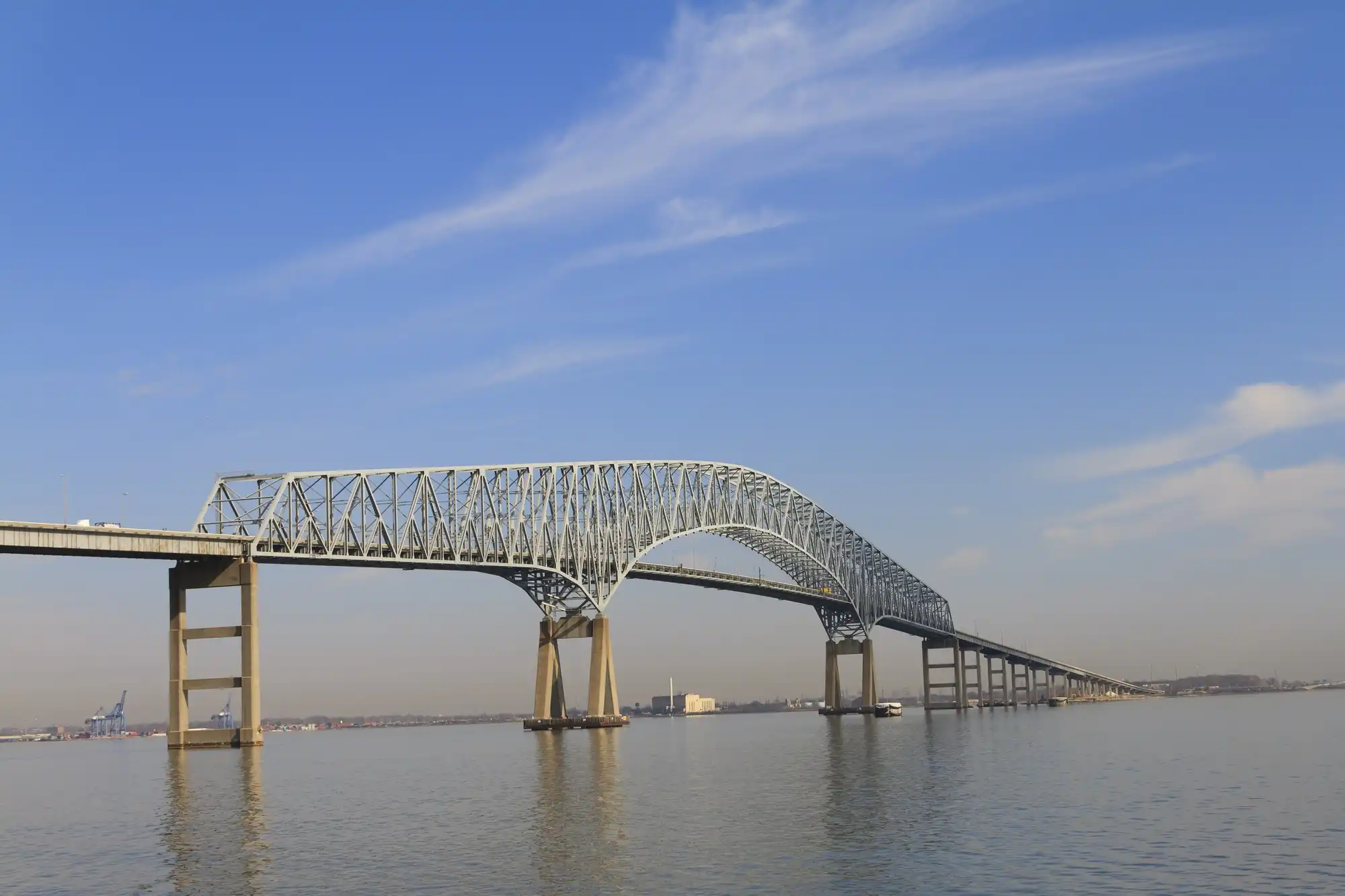
The collapse of the Francis Scott Key Bridge is already impacting supply chains, as well as the jobs and livelihoods of folks in the region.
Cargo ships have grown since the Francis Scott Key Bridge was built. Collisions have greater impact, physically and economically.