Marketplace®

Daily business news and economic stories
 

Victoria Craig

Victoria Craig is the former host of Marketplace Morning Report’s global edition produced by the BBC World Service in London. She graduated from the University of Missouri (go Tigers!) with a degree in broadcast journalism. Before moving to the U.K. in 2017, she covered Wall Street,  reporting for five years on U.S. stocks and the economy from New York City. When she’s not in front of the microphone, you can find Victoria baking or curling up with a good book at home, hiking in the English countryside, or travelling through her new European playground.

Latest from Victoria Craig

  • Lithuania's president says western sanctions against Russia don't go far enough.
    LUDOVIC MARIN/AFP via Getty Images

    From the BBC World Service: The warning from President Gitanas Nauseda is the latest sign of how far European Union nations could go to penalize Moscow for its invasion of Ukraine. As a bloc, the EU has set a 2030 target for independence from Russian fossil fuels. The U.S. has already banned Russian oil imports, while the U.K. said it will phase them out by the end of the year. Plus, British prime minister Boris Johnson is visiting Gulf states to explore alternatives to Russian oil and gas.

    Read MoreDownload
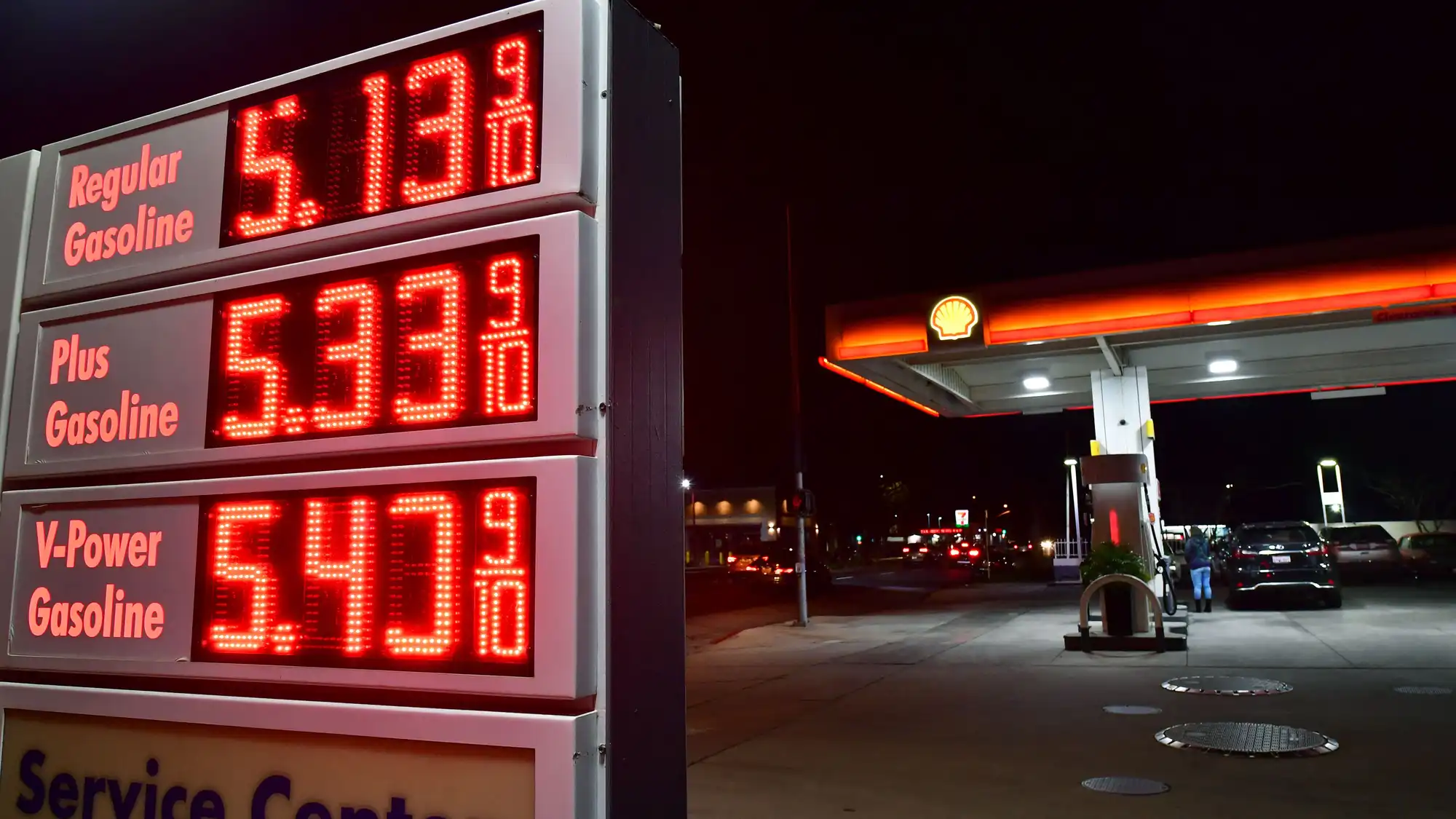
  • California has always been among the priciest places for a gallon of gas in the U.S. Among the reasons are the state's higher taxes and environmental standards.
    Frederic J. Brown/AFP via Getty Images

    Lawmakers on Capitol Hill and in states across the country are considering temporary suspensions of various gas taxes. The idea is to drive prices down at the pump, and it has support from Republicans and some Democrats. Plus, why California gas prices always seem to be the highest in the U.S. Also, what the falling price of crude oil means for the global economy. And, Russia’s reliance on foreign technology is revealed after sanctions cut the country off from parts, repair and know-how sourced from around the world.

    Read MoreDownload
  • Russia can’t just shut off its natural gas supplies
    Sean Gallup/Getty Images

    Forty percent of Europe’s natural gas comes from Russia. And last week, Moscow warned it could turn off the gas to Europe in response to sanctions and Germany nixing the Nord Stream 2 gas pipeline that circumvents Ukraine. But that threat is easier to make than it is to actually carry out. Natural gas production and delivery just doesn’t quite work that way. Plus, Russia’s President Vladimir Putin has signed a law allowing the country’s airlines to hang onto airliners leased from European companies, in violation of international sanctions. Hundreds of leased planes are in limbo.

    Read MoreDownload
  • Nearly 2 million refugees from Ukraine have crossed over into Poland.
    Sean Gallup/Getty Images

    From the BBC World Service: European stocks fell in early trading, following a sharp sell-off across Asian markets. Chinese investors are worried by the impact of further full-city COVID-19 lockdowns, a regulatory crackdown on tech companies and what approach Beijing takes to Russia’s invasion of Ukraine. Plus, fresh European Union sanctions against Russia target the luxury goods, energy and defense sectors. And, as Poland welcomes Ukrainian refugees, some border towns are calling for more resources.

    Read MoreDownload
  • Olia Hercules, an award-winning cookbook author from Ukraine who runs a kitchen in East London, shows video from her brother Sasha to her friends. Sasha is in Ukraine, and Olia sent supplies to him to help him survive the war with Russia.
    Victoria Craig / BBC

    Olia Hercules, an award-winning cookbook author, is feeding supplies to her brother in Ukraine.

    Read MoreDownload
  • A harvester works in a wheat field in the Russian village of Nur-Shari.
    Oleg Nikishin/Getty Images

    Ukraine and Russia account for nearly a third of all global wheat exports. And as you might expect, wheat prices have been soaring thanks to Russia’s war in Ukraine. So what can be done to increase supplies and tamp down prices? From the BBC, China is dealing with some new threats on the COVID front, and its markets are acting accordingly. We also check in on Maine, where there’s concern that vast fields of solar panels are going to take up too much space for farmland.

    Read MoreDownload
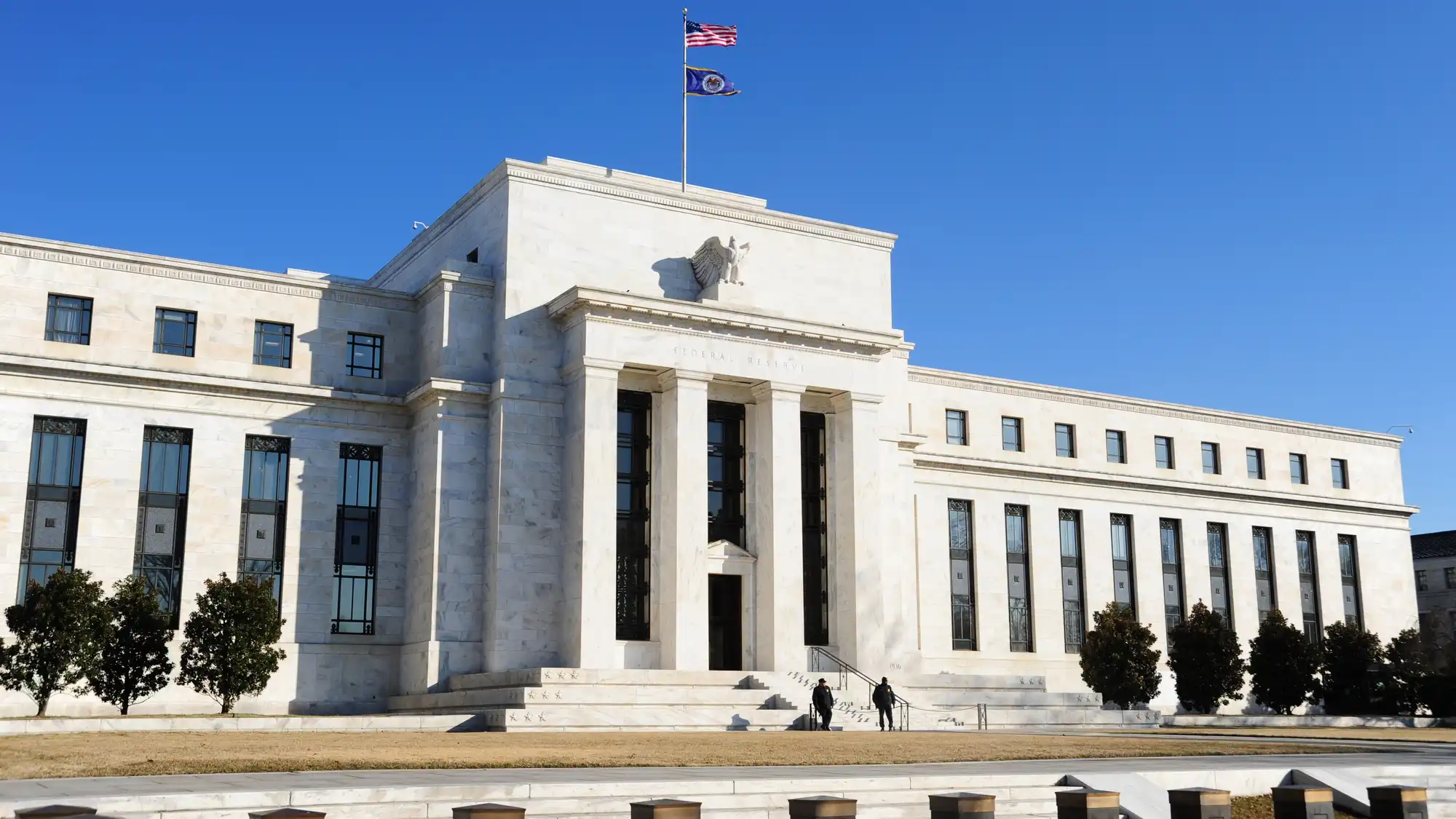
  • Federal Reserve chief Jerome Powell has turned his efforts toward containing inflation. The employment cost index is one of the economic indicators the Fed examines in setting monetary policy.
    Graeme Jennings-Pool/Getty Images

    This week, we’ll hear from the Federal Reserve about its plans for interest rates. After a two-day meeting, Federal Reserve Chair Jerome Powell will have a press conference Wednesday. The Fed is expected to raise interest rates, and it’s a decision that affects everyone. As financial markets react to the Russia-Ukraine war, they also tell us things about economic and geopolitical risk. From the BBC, we hear about a Ukrainian-born, award-winning chef who has transformed her East London kitchen into an aid center to help family and friends in Ukraine.

    Read MoreDownload
  • Residents in the tech hub of Shenzhen have been told to stay home while mass testing is carried out.
    STR/AFP via Getty Images

    From the BBC World Service: Statistics suggest that the number of COVID-19 cases so far this year in China exceed the total number reported for 2021. But it’s not just the pandemic that’s worrying markets. Plus, America’s largest natural gas producer believes the US can play a much bigger role in providing global energy security. And, for Ukrainians living abroad, fundraising and sending aid to their loved ones in a war zone isn’t easy.

    Read MoreDownload
  • Let’s compare central bank notes about the U.S., Europe
    Karen Bleier/AFP via Getty Images

    Interest rates are making headlines in Europe, as the European Central Bank announced this week that it’s going to keep rates steady for now – but is prepared to move them higher. In the U.S., the Federal Reserve is set to raise interest rates next week. Marketplace’s Nancy Marshall-Genzer and the BBC’s Victoria Craig team up for a discussion about the approaches of both central banks. The people overseeing fracking operations are running into shortages on all fronts.

    Read MoreDownload
  • A large home owned by the Russian Len Blavatnik stands along East 63rd Street in Manhattan on March 01, 2022 in New York City. Some city officials and activists are reacting to Russia's war in Ukraine by demanding the freezing of assets of prominent and wealthy Russians, known as Oligarchs, in New York who have ties to Russian president Vladimir Putin. Around the world, businesses, sporting groups, and art associations are severing ties to Russia.
    Spencer Platt/Getty Images

    The Western sanctions on Russia’s wealthy elite have raised a variety of questions that range from who these people are to the effectiveness of the sanctions. We spoke to Dartmouth sociologist Brooke Harrington, who argues in a new piece for The Atlantic that the sanctions represent an existential threat for Russia’s elite — and, by proxy, the Kremlin itself. Consumer sentiment has dropped to lows not seen since the 70s and 80s, yet spending remains strong. What gives? The dating app Tinder has added a background check feature that allows users to see if a possible date has a criminal past.

    Read MoreDownload
Victoria Craig