Marketplace®
Every story is an economic story
 

Sean McHenry

Associate Producer

Sean is based in Los Angeles, California.

He works on the flagship broadcast show “Marketplace,” where he produces host interviews, first-person stories via the “My Economy” series, and directs (he’s one of the people who picks the music you hear on the show).

Sean graduated from the University of Michigan and got his formal entry to radio as an intern on Michigan Radio’s daily newsmagazine “Stateside.” Before that, his notable jobs include writing teacher, barista, and he was briefly a janitor. He enjoys being a big nerd over coffee and TV, especially sci-fi and reality TV.

Latest from Sean McHenry

  • For LGBTQ people, personal finance can be extra stressful
    Drew Angerer/Getty Images

    The Nancy podcast from WNYC examines why.

    Read More
  • Britain's Prime Minister Theresa May arrives ahead of a European Council meeting on Brexit at The Europa Building at The European Parliament in Brussels on April 10, 2019.
    PHILIPPE HUGUEN/AFP/Getty Images

    Between the trade war, Brexit, North Korea, oil and more, the word “uncertainty” has appeared a lot in recent news. Today we talk about what it means and when to be concerned. Plus, what to make of Facebook’s “pivot to privacy.” 

    Read More
  • An AI cancer detection microscope by Google is seen during the World Artificial Intelligence Conference 2018 (WAIC 2018) in Shanghai on September 18, 2018.
    STR/AFP/Getty Images

    If we let AI keep developing on its current course,  author Amy Webb says we probably won’t like where it takes us. Plus: Why “birth tourism” is booming, and a look inside the Fed’s latest Beige Book.

    Read More
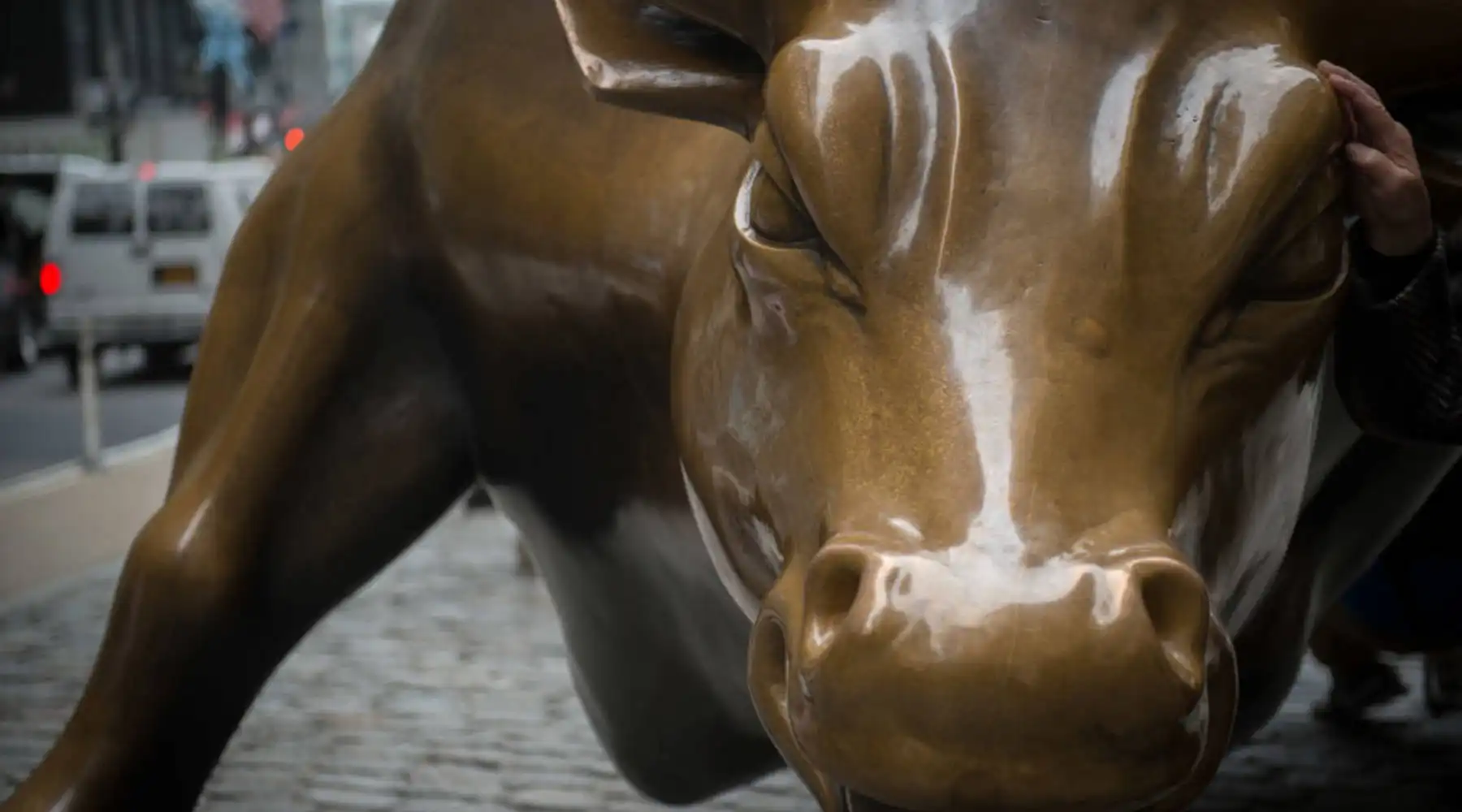
  • The Wall Street Bull sculpture is seen in the Financial District on Dec. 8, 2016 in New York. 
    RYAN R. SMITH/AFP/Getty Images

    Millions of people lost their homes, their jobs, and their savings. The Great Recession collectively destroyed more than $30 trillion of the world’s wealth. Yet no Wall Street executive went to jail for it. So, what happened? 

    Read MoreDownload
  • Economists have been puzzled by slow wage growth in a very tight labor market, but a string of new reports indicate that wages may finally be moving up … though not for everyone. Plus, new NAFTA’s bumpy ride through Congress and a conversation with former social worker and current “Queer Eye” star, Karamo Brown.

    Read More
  • American companies and consumers are, according to multiple new studies. We take a closer look. Then: The 2020 election has barely begun, and candidates are already sick of dialing for dollars. Is the phone-banking model ready for a disruption? Plus, the anatomy of a megamerger.

    Read More
  • Magic, one of America’s oldest pastimes and a multimillion-dollar industry, has been transformed by the digital age. We talk with Ian Frisch about how the internet has democratized the craft, which he lays out in his new book “Magic Is Dead.” But first, the latest on Brexit and Lyft’s initial public offering. Plus, why consumers are feeling bearish.

    Read More
  • As the nation was slowly recovering from the financial crisis, the Justice Department had a choice: Go after big banks with criminal cases that could be tough to win or use powerful civil penalties and negotiate settlements? In the last installment of our special series, we’ll look at how the government made that decision and why no CEO went to jail. Plus, the sanctions that cut short President Donald Trump’s summit with North Korea.

    Read More
  • During the worst of the financial crisis, two hedge fund managers were tried in court for securities fraud … and acquitted. We look at what happened in the second part of our series about who served time after the crash. Plus, a big hearing on Capitol Hill (no, not that one) and why “Grey’s Anatomy” has stuck around even longer than “ER.”

    Read More
  • Two employees of Christie's auction house maneuver the Lehman Brothers corporate logo on September 24, 2010 in London, England. Lehman Brothers, a financial services firm, was a key entity in the financial crisis that was not deemed too big to fail.
    Oli Scarff/Getty Images

    It's a question many listeners have asked. Here's the answer.

    Read MoreDownload