Marketplace®

Daily business news and economic stories

Nick Esposito

Latest from Nick Esposito

  • Regulators eye reducing credit card late fees
    Joe Raedle/Getty Images

    The Consumer Financial Protection Bureau is proposing a further limiting of credit card late fees, which the agency says could save consumers around $9 billion per year. The big U.S. job report is out today, and it showed a huge increase in the number of jobs added to the economy. And, the G7 collection of nations plus the EU are tightening their oil ban on Russia. 

    Read MoreDownload
  • G7 ramp up oil sanctions against Russia
    Angelos Tzortzinis/AFP

    From the BBC World Service: From Sunday the G7 group of leading economies will ban the import from Russia of refined oil products like diesel, and impose a price cap on exports elsewhere. It follows a similar move in December on crude oil shipments. But what will it do to supplies? And how will it affect prices at the pump? Plus, we hear from a shopkeeper in Hong Kong who has had to ditch all her CBD stock in response to new laws. And, why teenagers in the U.K. are clamouring for a new drink called Prime.

    Read MoreDownload
  • Why are investors bullish on Meta again?
    Josh Edelson/AFP via Getty Images

    Meta released its quarterly earnings yesterday, posting dismal results that showed the company took in only half the profits earned last year. But investors are bullish for a number of reasons, including cost-cutting measures and good signs that Facebook is doing well. A new report shows that undergraduate college enrollment is stabilizing after prolonged declines, but not for majors that lead to careers in health care. And, a new agreement between the U.S., Netherlands, and Japan will further restrict the flow of advanced microchips to China. 

    Read MoreDownload
  • Looking to learn about economics? Start with inequality
    Scott Heins via Getty Images

    Any student studying introductory economics could tell you about traditional concepts like efficiency, production functions, and others. But there’s one essential concept that’s often glossed over: economic inequality. As part of our Marketplace Crash Course series, we spoke with Homa Zarghamee, professor of economics at Barnard College, about inequality and why it’s important to learn about. And, a look into why the Fed chose to raise rates by a quarter-point yesterday.

    Read MoreDownload
  • From the BBC World Service: The war in Ukraine and responses to it pushed oil and gas prices to record highs in 2022. It’s meant bumper profits for the world’s oil majors, and today was Shell’s turn with profits of $40bn. But what is it doing with the windfall? Plus, the Indian conglomerate Adani group continues to see its share price collapse after a highly critical report by the U.S. short seller Hindenburg Research. The company’s boss Gautam Adani has lost the title of Asia’s richest man, but he’s fighting back insisting the business is “robust”.

    Read MoreDownload
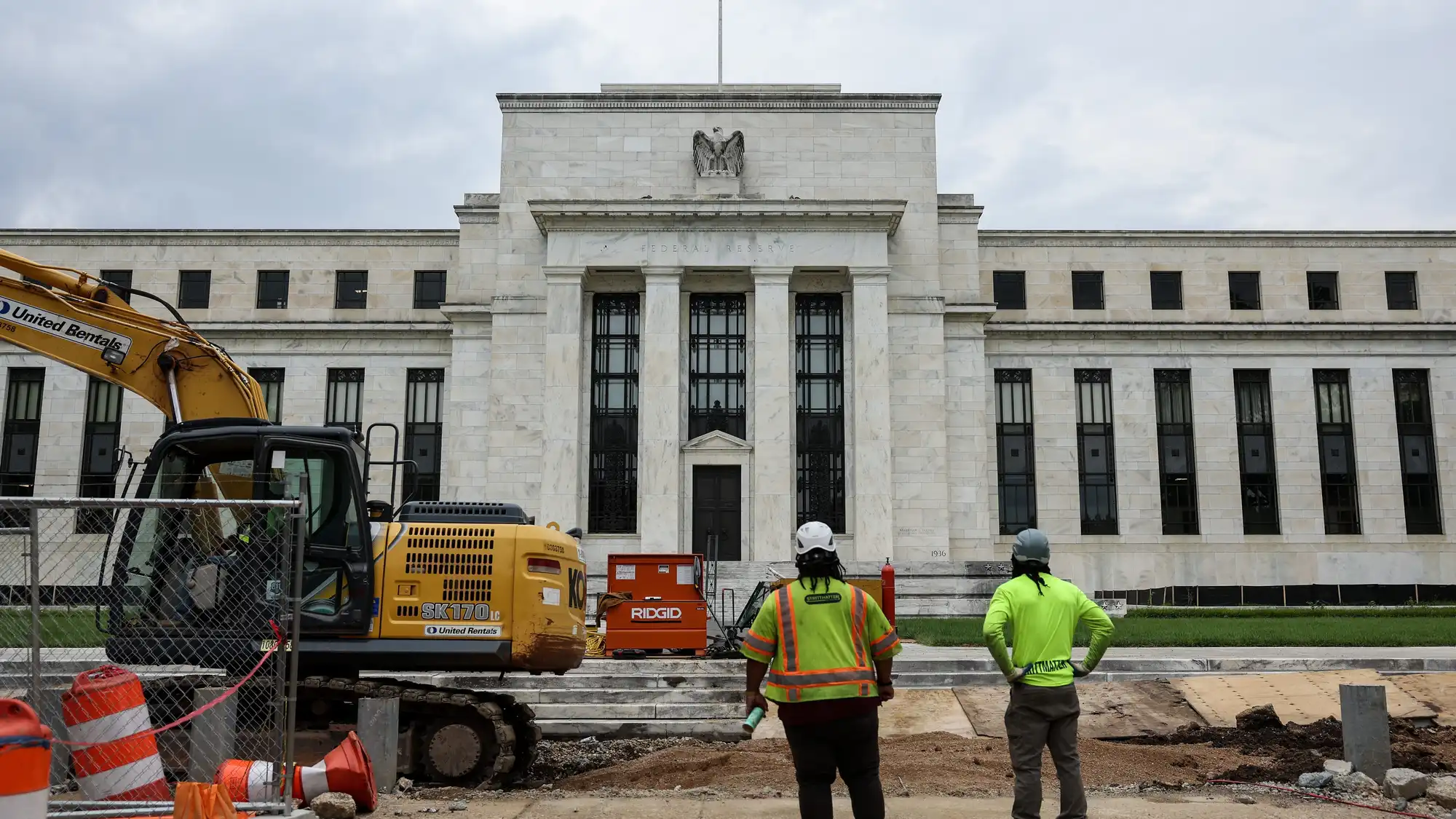
  • The Fed is about to make a lot less money for the government
    Anna Moneymaker/Getty Images

    The Federal Reserve has been one of the largest single sources of revenue in recent years for the federal government. But now, thanks to low returns on assets and high borrowing costs, the central bank is set to be much less profitable. We check in on markets ahead of today’s Fed rate decision with Susan Schmidt, Head of Public Equities at the State of Wisconsin Investment Fund. And, Western states sharing water resources from the Colorado River have again blown past a federal deadline to cut water usage after California held out on a deal.

    Read MoreDownload
  • Chip shortage no longer — there’s now a glut
    Jens Schlueter/AFP via Getty Images

    No longer facing the blistering demand for microchips seeing during the peak of the pandemic, chip-making giants like AMD and Intel are seeing their profits decrease. We look into what that says about the wider malaise seen in the tech sector. The BBC reports on one 22-year-old Princeton student’s tool to detect AI-generated text. And, an early farewell to the iconic Boeing 747, which formally stopped being produced this week. 

    Read MoreDownload
  • India bets on a budget boost
    Photo by INDRANIL MUKHERJEE/AFP via Getty Images

    From the BBC World Service: We look at India’s finances as it tries to supercharge its manufacturing sector in a final budget before key elections. Plus, with the value of gold heading to new highs we hear from a mine in Scotland. And, why spending on players in England’s top soccer league continues to break records.

    Read MoreDownload
  • Why Gen-Z is bringing back their parents’ digital cameras
    Robert Cianflone/Getty Images

    Young people have done it again — “it” being reviving an old piece of technology from the dead. This time, it’s old digital cameras that their parents likely used. We talked to David Little, head of the International Center of Photography, about the latest trend. Johnson & Johnson is seemingly deeper in legal trouble after a court rejected its bankruptcy filing amid lawsuits over its baby powder. And, on the third anniversary of Brexit, the BBC reports on the increasing pressure over the UK’s land border with Ireland, an EU member.

    Read MoreDownload
  • Global growth outlook more optimistic for 2023, says IMF
    ANDREW CABALLERO-REYNOLDS/AFP/Getty Images

    The global economy is projected to be low in the coming year but beat previous expectations, a fresh report from the International Monetary Fund says. Optimism about inflation, loosening supply chain backlogs, and the re-opening of China are all contributing to rosier predictions. A check-in with the so-called “resolution economy,” which revolves primarily around people wanting to improve themselves in the new year. And, the French tech company Thales has launched a credit card that talks as an aid for people with visual impairments. 

    Read MoreDownload