Marketplace®

Daily business news and economic stories
 

Kelly Silvera

Executive Producer

Kelly is an award-winning journalist with more than 20 years of international experience. She’s traveled all over the world leading news coverage of history-making events. Her video-first reporting of global news stories including the Arab Spring has been recognized by the Emmys, George Foster Peabody, United Nations, New York Film Festivals and Britain’s Royal Television Society, among others. Kelly’s work gives the audience access to a range of perspectives while empowering people to tell their own stories. Throughout her career she has elevated underrepresented voices both in media coverage and the workplace. Kelly began her career at BBC London radio while studying journalism at University of the Arts London. Her extraordinary talent is running very fast in heels.

Latest from Kelly Silvera

  • Meta throws its hat into the generative AI ring
    Justin Sullivan/Getty Images

    Meta, the parent company of Facebook, is looking to follow tech giants Microsoft and Alphabet into the world of computational artificial intelligence — albeit a bit belatedly. We look into what the company is dubbing “SAM”, which is in development to complement AI systems like ChatGPT. And, amid news of charges against a startup CEO who allegedly defrauded JPMorgan of $175 million, we talk with DePaul accounting professor Kelly Richmond Pope about her new book on the complexity of modern financial fraud. 

    Read MoreDownload
  • French workers continue their revolt over retirement age rise
    Christophe Archambault/AFP via Getty Images

    From the BBC World Service: France is facing another day of strikes and protests after talks between trade unions and prime minister Elisabeth Borne failed to make progress. Unions say she refused to discuss rolling back on legislation raising the retirement age from 62 to 64. We hear from a train driver involved in the protests. Plus, thousands of people have taken to the streets in Argentina over spending cuts imposed as part of a $44 billion debt repayment deal with the International Monetary Fund. And, a copy of the first Shakespeare folio — a collection of some of his most famous plays — has gone on sale with a price tag of $7.5 million.

    Read MoreDownload
  • Why Trump’s arraignment could mean more gridlock in Washington
    Andrew Kelly-Pool/Getty Images

    The indictment, arraignment and upcoming trial of former president Donald Trump in New York captured headlines yesterday, but it’s 200 miles away in Washington D.C. where the economic effects of the spectacle could be felt. We talk with the Eurasia Group’s Jon Lieber about what Trump’s legal imperilment could mean for polarization and policymaking on Capitol Hill. Plus, we chat with Lindsey Piegza, Chief Economist at Stifel Financial, about the latest trends in interest rates and today’s ADP jobs report. Also, Johnson and Johnson is looking to settle lawsuits over its talcum powder for around $9 billion. And, how Zimbabwean mining companies are being impacted by rolling blackouts across the country. 

    Read MoreDownload
  • Is a wider job market cool-off starting to take hold?
    Olivier Douliery/AFP via Getty Images

    There are signs that the job market cooldown, which has been slow to materialize, is starting to accelerate. Fresh data from the Labor Department released yesterday saw a marked decrease in job openings — while that may spell good news for the Fed’s fight against inflation, openings are still way above pre-pandemic levels. And, we speak with the University of Rochester’s Ranga Dias, who tells us about a potentially revolutionary breakthrough that researchers made looking into room-temperature superconductors.

    Read MoreDownload
  • Trade and war on the agenda as two of Europe’s  leaders head to Beijing

    From the BBC World Service:  French President Emmanuel Macron and Ursula von der Leyen  – the Head of the European Commission – are in Beijing. Will any deals be made on trade and can they convince China to stop their support of Russia? BBC’s Mariko Oi explains. Plus, BBC Correspondent Anna Holligan reports on a court’s decision to overrule a 10% reduction in flights from Netherland’s main airport.

    Read MoreDownload
  • Florida fights its nurse shortage at the root — by funding schools
    Mario Tama/Getty Images

    Florida, the nation’s fastest-growing state, is in need of a lot more nurses to accommodate its growing population. One way it’s looking to fight the shortage is by routing more government funding to nursing schools to attract more students. Today, we get data on the number of job openings — we speak with analyst Guy LeBas about what could be in the release. And, there’s a new analysis out that shows the hottest jobs markets in the country are in states along the so-called “Sun Belt,” which includes cities like Austin and Nashville.

    Read MoreDownload
  • Failure to launch: Virgin Orbit files for bankruptcy
    Hugh Hastings/Getty Images

    Virgin Orbit, the arm of billionaire Richard Branson’s larger company that sought to break into the space industry by launching satellites from airplanes, has filed for Chapter 11 bankruptcy protection. We look at what that means for the Virgin Group, and how it could affect the larger commercial space industry. Plus, we talk to Lee Hawkins, host of American Public Media’s upcoming podcast on the family of Dr. Martin Luther King Jr. and how their health has been impacted by the struggle for civil rights. 

    Read MoreDownload
  • The price of beauty? L’Oreal to buy Australian beauty firm Aesop for $2 billion
    Photo by Nelson Almeida/AFP via Getty Images

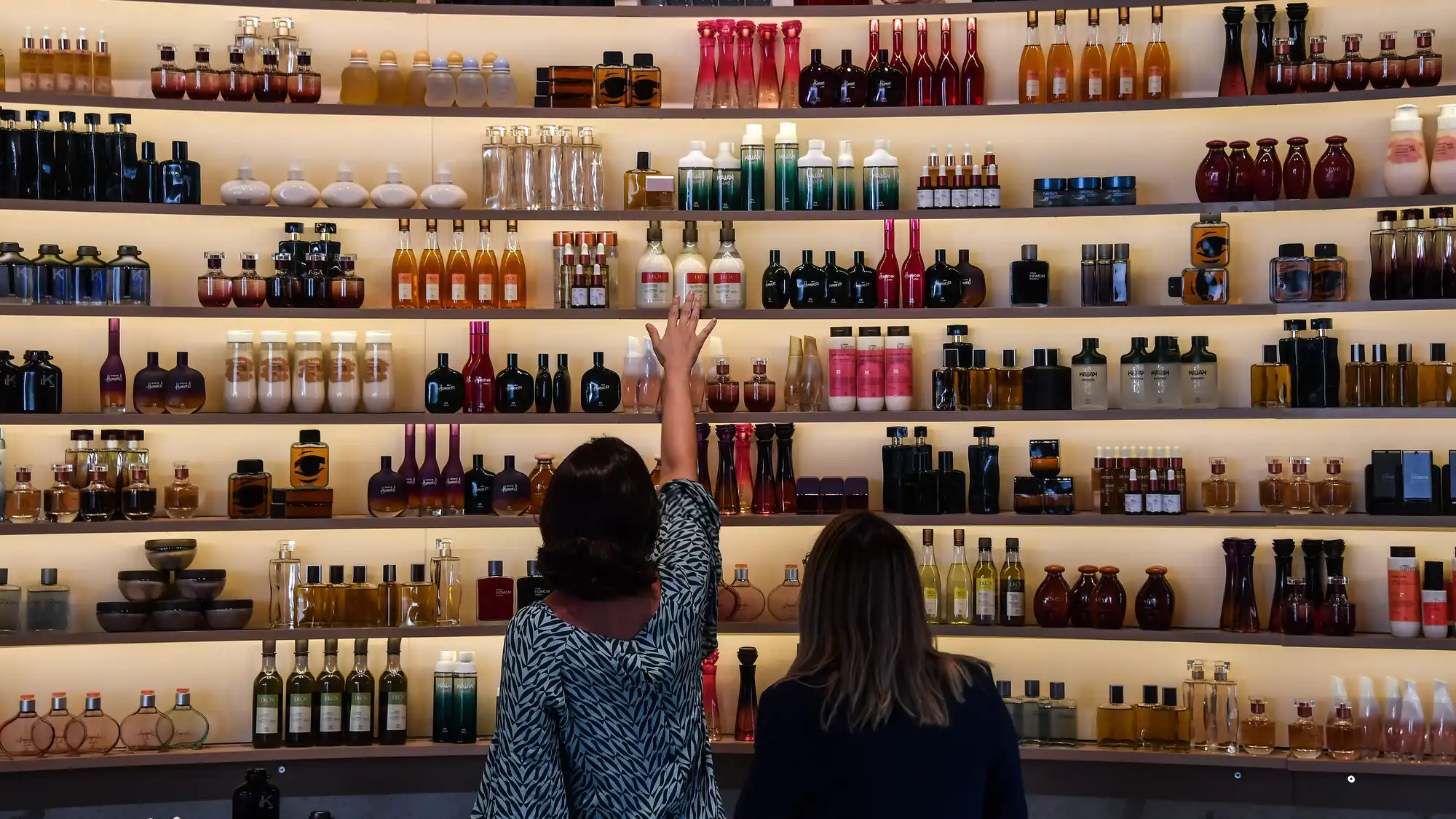
    From the BBC World Service: $2.5 billion — that’s how much the French beauty giant L’Oreal is buying Australian skincare brand Aesop for. It’s L’Oreal’s largest takeover in decades, but why did they want Aesop so much? BBC’s Phil Mercer in Sydney gives us the details. Plus, BBC’s Jane Chambers finds out why there’s an increase in the number of urban cowboys in Uruguay.

    Read MoreDownload
  • What calculus goes into central bank rate decisions?
    Anna Moneymaker/Getty Images

    One of the main jobs of central banks such as the Federal Reserve is to set interest rate targets, which can have wide-ranging effects on the economy. These days, amid shakiness in the banking industry and persistent inflation, that calculation has gotten harder. We speak with Susan M. Collins, president of the Boston Fed, about how she thinks about the tradeoffs and other considerations that go into rate decisions. And, economist Julia Coronado gives us a taste of what economic stories could move markets this week, including oil anxiety and Friday’s jobs report.

    Read MoreDownload
  • Boston’s Fed president talks banks and regulation
    Peter Davis/Federal Reserve Bank of Boston

    There’s been much talk of monetary policy in the wake of recent bank failures, especially as the Federal Reserve continues its fight against inflation. We have one such important conversation with Susan M. Collins, President of the Federal Reserve Bank of Boston, about body’s role in everything from setting interest rates to safeguarding the financial system. And, a look at the implications of OPEC+’s recent announcement that member countries will significantly cut oil production.

    Read MoreDownload