Marketplace®

Daily business news and economic stories

Jo Critcher

Latest from Jo Critcher

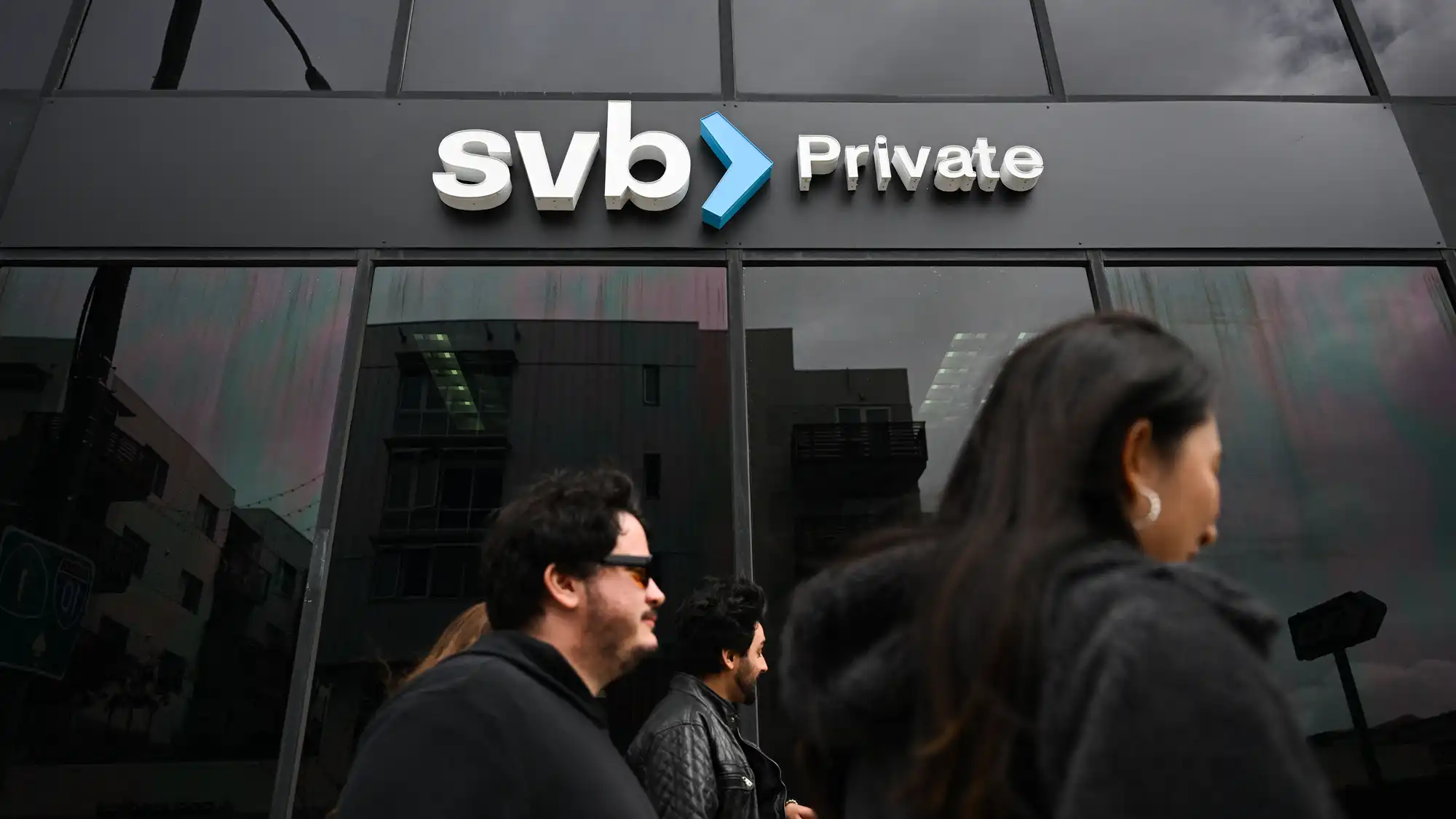
  • Some businesses are now more skeptical of using smaller banks
    Patrick T. Fallon/AFP via Getty Images

    The recent turmoil in the banking sector has spooked a number of consumers into moving their deposits from smaller financial institutions to larger ones. We look at what’s driving that shift, as well as what it could mean if the trend continues. First Citizens Bancshares, which is based in North Carolina, will acquire a large chunk of the assets of the collapsed Silicon Valley Bank. And, a recent recall of eyedrops issued by a couple of companies raises the question of how a recall affects consumers and businesses. 

    Read MoreDownload
  • First Citizens picks up SVB assets
    Patrick T. Fallon/AFP via Getty Images

    From the BBC World Service: It’s Monday, which means there’s another deal in the banking sector. First Citizens BancShares has bought all the loans and deposits of Silicon Valley Bank. Its collapse a few weeks ago triggered a crisis of confidence in the industry, but we’ve seen European banking shares trading higher today. Plus, a strike by two of Germany’s largest unions has brought public transport there to a near standstill. And, it’s 50 years since women were first allowed to work on the trading floors of the London Stock Exchange. We hear from some of the pioneers.

    Read MoreDownload
  • In normal times, central banks just call each other once in a while. Not right now.
    Mark Wilson/Getty Images

    No, right now, central banks around the world have moved to a second level of coordination. All of the economic jitters have more people around the world turning to U.S. dollars for investment security. That rapid flow of dollars can upset the balance, and so the Federal Reserve has had to step in and manage things more carefully. Plus, what’s referred to as “China’s Davos” is underway, but fewer business leaders from the U.S. will be in attendance. Also, protests in France over pension overhauls reach a fever pitch. And, how long until lab-grown meat hits the grocery store shelves?

    Read MoreDownload
  • Banks are still borrowing emergency funds from the Fed
    Brendan Smialowski/AFP via Getty Images

    But at least this week they borrowed less than they did last week. That’s a good sign. We look at why the U.S. central bank is making it easier for banks to borrow more money. And, earlier this month, after 10 years of negotiating, countries at the United Nations hammered out a new treaty that has the potential to significantly change how the world’s oceans are governed. The treaty also sets some rules and regulations around trade on the high seas and the use of natural resources.

    Read MoreDownload
  • There’s a T. rex on sale in Europe
    Timothy A. Clary/AFP via Getty Images

    From the BBC World Service: For the first time since 2019, China is hosting its three-day development forum to show the world that it’s back in business. However, the U.S. guest list is pretty short due to growing tensions between the two countries. Plus, the South Korean businessman, Do Kwon, has been charged by U.S. prosecutors with fraud, over a failed cryptocurrency scheme. Plus, a Tyrannosaurus rex skeleton is going on sale for the first time ever in Europe, valued at around $6 million. But there are concerns it could be locked away from public view by a private buyer.

    Read MoreDownload
  • The Fed's freshly created Bank Term Funding Program could reduce the incentives for banks to follow good practices, says analyst Joseph Wang.
    Mark Wilson/Getty Images

    In the wake of turmoil in the banking system, some in Congress argue the solution is more regulation. Republican Sen. Rick Scott and Democratic Sen. Elizabeth Warren have unveiled legislation that would add a new watchdog to oversee the Federal Reserve itself. That’s just one part of the conversation happening in Washington about tightening regulation. Plus, will banking system jitters do the Federal Reserve’s job for it? Also, keeping an eye on the housing market, which is starting to show some traces of stabilization after new home sales rose unexpectedly in February. And, how China hopes to boost its population and, by extension, its economy.

    Read MoreDownload
  • Why the Fed decided to raise interest rates yesterday
    Kevin Dietsch/Getty Images

    The Federal Reserve, after much hand-wringing amongst market watchers, ended up raising interest rates by 0.25% yesterday, signaling the central bank’s emphasis on fighting inflation despite recent instability in the financial sector. We look into what went into Chair Jerome Powell’s calculus on the rate decision. Meanwhile, Treasury Secretary Janet Yellen sought to assuage monetary hawks yesterday, saying that the government would not implement a blanket policy of fully insuring bank deposits. And, China’s population is changing as many workers age, but some say the demographic shift isn’t as big of a deal as it’s made out to be. 

    Read MoreDownload
  • Rising rates: inflation vs bank balance sheets
    Dan Kitwood/Getty Images

    From the BBC World Service: After the Federal Reserve, it’s the turn of the Bank of England to make a decision on interest rates. Central banks are juggling two major concerns — inflation and stability in the banking sector. Since SVB collapsed, we’ve seen how higher rates affect the value of assets like bond portfolios held by banks. But in the UK, that decision may be clearer because inflation remains stubbornly high — markets are certainly expecting another rise. Meanwhile, there’s a tussle in the European Union over the date to phase out gas-powered and diesel cars. And, what’s it like doing business in Iraq 20 years after the U.S.-led invasion?

    Read MoreDownload
  • LA educators continue strike, aided by high demand for jobs

    Educators, teachers and other employees at the Los Angeles Unified School District are continuing their strike for higher pay. We look into how broader labor trends are helping demonstrators on the ground make their case. And, we talk with Boston College Law School professor Patricia McCoy about how the government’s recent actions to calm anxiety in the financial sector are adding to so-called “moral hazard”.

    Read MoreDownload
  • As states pass pay transparency laws, is their impact clear?

    Eight states thus far have passed laws to boost pay transparency in job listings, aiming to grant applicants more information in a competitive job market. We look at the experience of New York City after implementing its own rule. Chris Farrell explains how to make the most of federal deposit insurance — and how someone can get more than $250,000 in the bank insured. And, Google yesterday released Bard, its competitor to Microsoft’s AI chatbot, ChatGPT. 

    Read MoreDownload