Marketplace®
Every story is an economic story

David Brancaccio

"Future Effects" Senior Correspondent

David Brancaccio is Marketplace’s “future effects” senior correspondent. In this role, David aims to explore how short-term thinking can impact our personal finances, innovation, government policy, and more.

David worked as the host and senior editor of “Marketplace Morning Report” from 2013 to 2026, where he focused on the regulation of financial markets, the role of technology in labor markets, the history of innovation, digital privacy, sustainability, social enterprises, and financial vulnerability in older adults. David freelanced for Marketplace in 1989 before becoming the program’s European correspondent based in London in 1990.

David hosted the evening program from 1993-2003, then anchored the award-winning public television news program “Now” on PBS after a period co-hosting with journalist Bill Moyers. David has co-produced and appeared in several documentaries, including “Fixing the Future,” about alternative approaches to the economy, and “On Thin Ice,” about climate change and water security, with mountaineer Conrad Anker. David is the author of “Squandering Aimlessly,” a book about personal values and money. He enjoys moderating public policy discussions, including at the Aspen Ideas Festival, Chicago Ideas Week, and the Camden Conference in Maine.

David is from Waterville, Maine, and has degrees from Wesleyan and Stanford universities. Honors include the Peabody, Alfred I. duPont-Columbia University, Emmy, and Walter Cronkite awards. He is married to Mary Brancaccio, a poet and educator. They have three offspring, all adults. He likes making beer and building (and launching) pretty big rockets. Among his heroes are Edward R. Murrow and Wolfman Jack.

Latest from David Brancaccio

  • The success of the UK's vaccine programme is giving reasons for economic optimism the Bank of England says.
    PA MEdia

    The governor of the U.K. central bank, Andrew Bailey of the Bank of England, gave a cautiously optimistic view of the country’s economic prospects for the year ahead, thanks to the vaccine rollout. Also, the Netherlands and Ireland raise concerns about the Oxford-AstraZeneca vaccine, and Italy heads back to lockdown.  

    Read MoreDownload
  • Some Netflix users are getting this message: "If you don't live with the owner of this account, you need your own account to keep watching."
    Jonathan Nackstrand/AFP via Getty Images

    The streaming platform is starting to warn people about sharing their passwords with others. It’s not a security thing but a revenue thing. Plus, venue owners that put on concerts and other events are hopeful for recovery with federal aid on the way. And, what a Grammy nomination (or lack thereof) does for a musician’s career.

    Read MoreDownload
  • Grab previously bought Uber's Southeat Asia operations.
    Charly Two/AFP via Getty Images

    Grab, based in Singapore, started out as a ride-hailing app. It’s grown to become one of Southeast Asia’s best-known tech businesses. Plus, what makes people truly happy at work, and what can we learn from them?

    Read MoreDownload
  • "This going to be good for our economy," Warren, D-Mass., said of the wealth tax legislation she introduced last week.
    Chip Somodevilla/Getty Images

    Economists say the Ultra-Millionaire Tax Act could raise $3 trillion in 10 years.

    Read MoreDownload
  • "This going to be good for our economy," Warren, D-Mass., said of the wealth tax legislation she introduced last week.
    Chip Somodevilla/Getty Images

    Sen. Elizabeth Warren, D-Mass. joins the show to discuss the wealth tax she introduced last week, which would impose a 2% tax on individual net worth above $50 million and an additional 1% surtax on net worth above $1 billion. Plus, COVID relief payments could hit bank accounts as soon as this weekend. And, China’s antitrust regulator fines some of the country’s largest tech giants.

    Read MoreDownload
  • Early signs of hiring to come this spring?
    Joe Raedle/Getty Images

    Weekly jobless claims numbers are moving in the right direction after a decline in initial unemployment benefits applications last week. Does this foreshadow more hiring in the weeks and months to come? Plus, what’s in the COVID relief package schools. Also, inequities in Black representation in film and TV. And, high school basketball through the frame of wealth and poverty. We revisit the 1994 documentary “Hoop Dreams.”

    Read MoreDownload
  • Success stories for Black athletes "can sometimes hide the fact that for the great majority of people in these communities, the hurdles are so huge that it makes it hard to succeed," "Hoop Dreams" director Steve James says.
    Kirill Kudryavtsev/AFP/Getty Images

    Ambitions to go pro are often “a metaphor for the elusiveness of the American dream,” says “Hoop Dreams” director Steve James.

    Read MoreDownload
  • "Hoop Dreams" documents over five years the lives of two high school basketball players from families struggling economically in Chicago as they work toward pro careers.
    Andy Lyons/Getty Images

    Our Econ Extra Credit documentary selection for March is about wealth, poverty and basketball. Plus, what the COVID relief package provides in terms of making health care more affordable. And, Mexico makes progress on legalizing recreational marijuana.

    Read MoreDownload
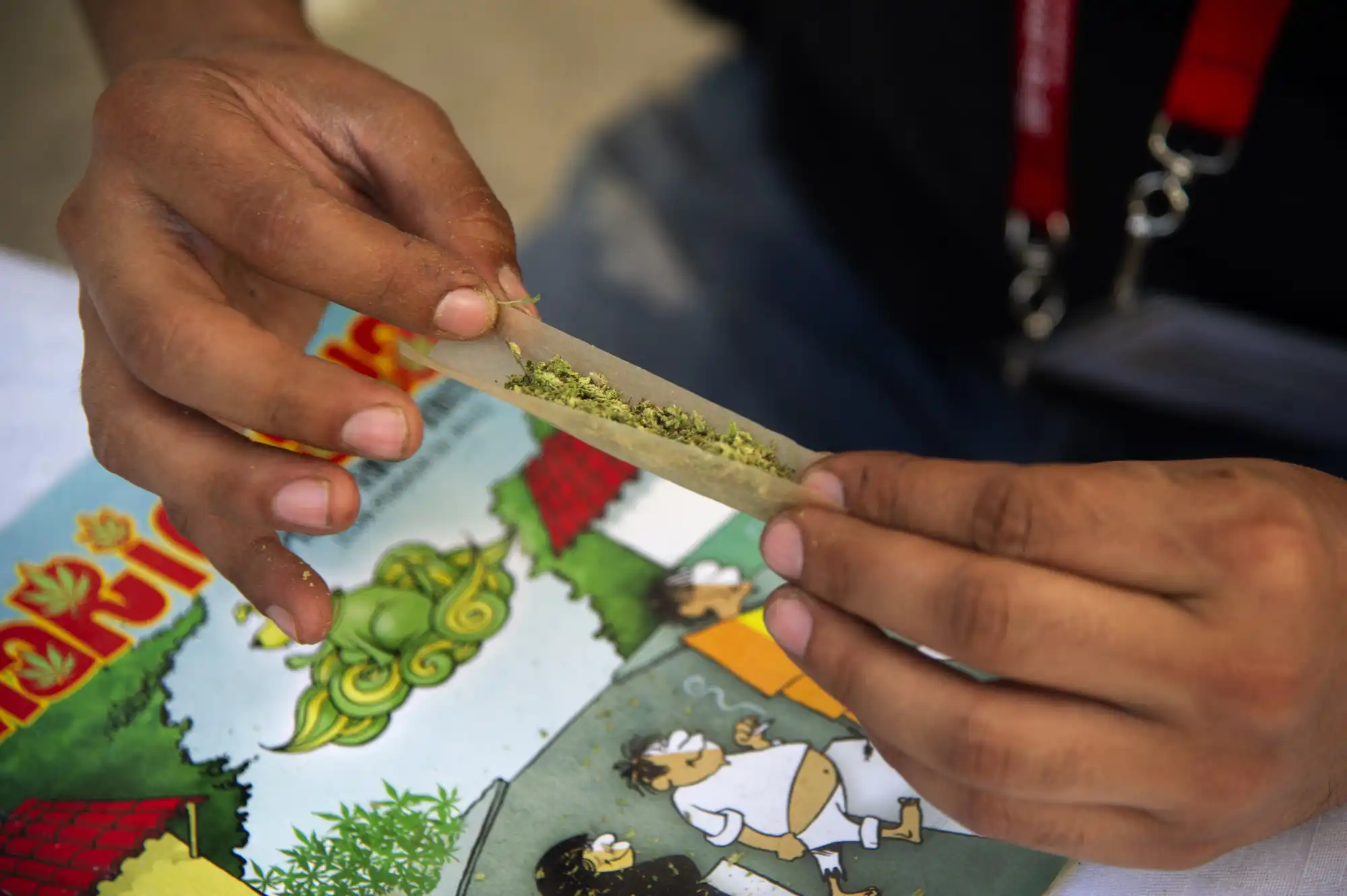
  • Mexico's government says legalization could help tackle the country's drug cartels.
    Claudio Cruz/AFP via Getty Images

    If lawmakers in Mexico pass a bill to legalize recreational marijuana, thousands of small farmers could be brought into the formal economy. Also, European central bankers are set to discuss whether mounting levels of debt could push up inflation. And, the race among central banks to mint new digital currencies.

    Read MoreDownload
  • "Hoop Dreams" documents over five years the lives of two high school basketball players from families struggling economically in Chicago as they work toward pro careers.
    Andy Lyons/Getty Images

    William Gates, star of the 1994 documentary, on the economic challenges college athletes face today.

    Read MoreDownload
David Brancaccio