Marketplace®
Every story is an economic story

David Brancaccio

"Future Effects" Senior Correspondent

David Brancaccio is Marketplace’s “future effects” senior correspondent. In this role, David aims to explore how short-term thinking can impact our personal finances, innovation, government policy, and more.

David worked as the host and senior editor of “Marketplace Morning Report” from 2013 to 2026, where he focused on the regulation of financial markets, the role of technology in labor markets, the history of innovation, digital privacy, sustainability, social enterprises, and financial vulnerability in older adults. David freelanced for Marketplace in 1989 before becoming the program’s European correspondent based in London in 1990.

David hosted the evening program from 1993-2003, then anchored the award-winning public television news program “Now” on PBS after a period co-hosting with journalist Bill Moyers. David has co-produced and appeared in several documentaries, including “Fixing the Future,” about alternative approaches to the economy, and “On Thin Ice,” about climate change and water security, with mountaineer Conrad Anker. David is the author of “Squandering Aimlessly,” a book about personal values and money. He enjoys moderating public policy discussions, including at the Aspen Ideas Festival, Chicago Ideas Week, and the Camden Conference in Maine.

David is from Waterville, Maine, and has degrees from Wesleyan and Stanford universities. Honors include the Peabody, Alfred I. duPont-Columbia University, Emmy, and Walter Cronkite awards. He is married to Mary Brancaccio, a poet and educator. They have three offspring, all adults. He likes making beer and building (and launching) pretty big rockets. Among his heroes are Edward R. Murrow and Wolfman Jack.

Latest from David Brancaccio

  • Where people moved to and from during 2020
    Chris Delmas/AFP via Getty Images

    There’s new data on the changing views of where people want to live and work, given the experience of the pandemic year. The trends are those we’ve heard anecdotally: smaller cities, bigger houses. Plus, preparing for the Fed meeting on policy and interest rates this week. And, the latest in our “Vanishing America” series: fabric stores going out of business.

    Read MoreDownload
  • The rules for required retirement account withdrawals
    Pixabay

    Rules for the required minimum distribution, as it’s called, changed both before and during the pandemic.

    Read MoreDownload
  • In some states, it’s the 1st week without an extra $300 in jobless benefits
    courtneyk via Getty Images

    The benefits expired in Alaska, Iowa, Mississippi and Missouri on Saturday. Will this drive more applicants to jobs that have remained unfilled? We speak with a couple of economists who explain how it’s more complicated than that. Plus, in a closely watched case, a federal judge has ruled that a health care company can order its employees to get COVID vaccinations. And, changing rules for tax-protected retirement accounts.

    Read MoreDownload
  • The G-7 climate change action plan aims to rival China's "Belt and Road" infrastructure initiative.
    Ben Stansall - WPA Pool/Getty Images

    From the BBC World Service: G-7 leaders say the pledge will offer lower-income countries a new source of infrastructure finance and an alternative to Chinese loans from the “Belt and Road” initiative. Plus, after hosting the G-7 summit, we hear about plans in Cornwall to extract lithium for electric car batteries from underground hot springs. And, WhatsApp says it will resist attempts by governments to weaken end-to-end encryption of messages.

    Read MoreDownload
  • Senator Joe Manchin
    Olivier Douliery/AFP via Getty Images

    With the main talks on fixing infrastructure at an impasse, a side group of 10 Democrats and Republicans in the Senate say they’ve come up with a deal, although details are scant and it’s unclear if others key players will embrace this. Plus, among the things that have gotten more expensive over the past year and last several months: food away from home. We look at the rise in restaurant prices. And, decisions from the G-7 summit on getting more vaccine doses to the countries that need them.

    Read MoreDownload
  • Banks should have capital set aside to cover crypto losses, regulators say
    Ozan Kose/Getty Images

    Regulators want banks to have cushions of capital when it comes to cryptocurrency investments.

    Read MoreDownload
  • The new, limited OSHA rules for workplace safety
    Mario Tama/Getty Images

    More than a year into the pandemic, the Occupational Safety and Health Administration has released emergency standards for the workplace, but they’re only for health care workers. Also, ahead of the G-7 summit, there were reports that President Joe Biden was going to raise concerns about tensions in Northern Ireland in his talks with U.K. Prime Minister Boris Johnson yesterday. Johnson, speaking with the BBC, said that did not happen. And, new guidelines this week call for banks to take extra care in case cryptocurrency investments go bad.

    Read MoreDownload
  • G-7 countries to pledge donation of 1 billion COVID vaccine doses
    Chaideer Mahyuddin/AFP via Getty Images

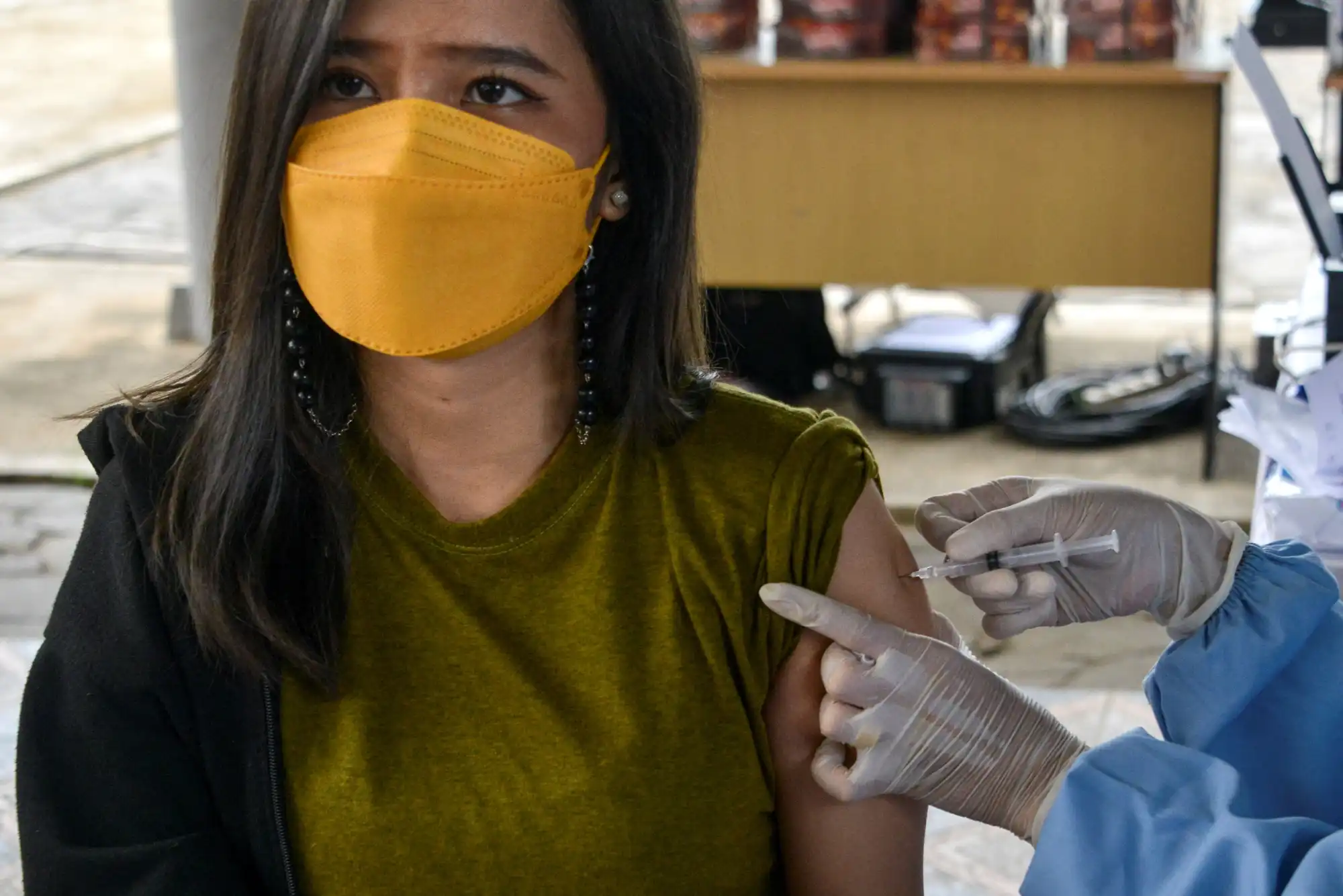
    From the BBC World Service: Leaders gathering in Britain for the G-7 summit are expected to pledge the shots for lower-income nations as part of a global push to end the pandemic. Plus, Hong Kong will ban films that violate its national security law, further restricting artistic freedom. And, congestion at Chinese ports due to pandemic lockdowns means warnings of disruption to global shipping routes.

    Read MoreDownload
  • David Brancaccio reacts to “The Prison in Twelve Landscapes”

    Econ Extra Credit newsletter #64

    Read More
  • President Joe Biden (center) and first lady Jill Biden (left) arrive in Cornwall for the G-7 summit.
    Phil Noble - WPA Pool/Getty Images

    One think tank CEO says the G-7 summit is a moment to envision an economic restructuring similar in scale to that of post-WWII.

    Read MoreDownload