Marketplace®
Every story is an economic story

David Brancaccio

"Future Effects" Senior Correspondent

David Brancaccio is Marketplace’s “future effects” senior correspondent. In this role, David aims to explore how short-term thinking can impact our personal finances, innovation, government policy, and more.

David worked as the host and senior editor of “Marketplace Morning Report” from 2013 to 2026, where he focused on the regulation of financial markets, the role of technology in labor markets, the history of innovation, digital privacy, sustainability, social enterprises, and financial vulnerability in older adults. David freelanced for Marketplace in 1989 before becoming the program’s European correspondent based in London in 1990.

David hosted the evening program from 1993-2003, then anchored the award-winning public television news program “Now” on PBS after a period co-hosting with journalist Bill Moyers. David has co-produced and appeared in several documentaries, including “Fixing the Future,” about alternative approaches to the economy, and “On Thin Ice,” about climate change and water security, with mountaineer Conrad Anker. David is the author of “Squandering Aimlessly,” a book about personal values and money. He enjoys moderating public policy discussions, including at the Aspen Ideas Festival, Chicago Ideas Week, and the Camden Conference in Maine.

David is from Waterville, Maine, and has degrees from Wesleyan and Stanford universities. Honors include the Peabody, Alfred I. duPont-Columbia University, Emmy, and Walter Cronkite awards. He is married to Mary Brancaccio, a poet and educator. They have three offspring, all adults. He likes making beer and building (and launching) pretty big rockets. Among his heroes are Edward R. Murrow and Wolfman Jack.

Latest from David Brancaccio

  • China takes Australia to WTO in tariffs fight that includes kitchen sinks
    Robert Hradil/Getty Images

    From the BBC World Service: Beijing is challenging tariffs that Australian authorities imposed two years ago on steel products. Last week, Australia challenged tariffs of over 200% that China imposed on Australian wine exports last November. Plus, thousands of people in Hong Kong wait in line for hours to buy the final edition of Apple Daily, the pro-democracy newspaper, which is closing down after increased pressure from Chinese authorities. And, Buckingham Palace admits it needs to “do better” in recruiting people of color for its staff.

    Read MoreDownload
  • “We will be able to have more effective team meetings in a virtual and remote world than we did in a physical world," says author Keith Ferrazzi.
    FangXiaNuo/Getty Images

    “We will be able to have more effective team meetings in a virtual and remote world than we did in a physical world,” says author Keith Ferrazzi.

    Read MoreDownload
  • Uneven vaccination rates may worsen global inequality
    Apu Gomes/AFP via Getty Images

    Zanny Minton Beddoes of the Economist says a lack of virus protection could hinder many nations’ economic recoveries.

    Read MoreDownload
  • It takes more than a “Help Wanted” sign to get people back to the labor force
    Olivier Douliery/AFP via Getty Images

    Half of states have now decided to opt out of the extra $300 a week in federal unemployment benefits. Governors say they’re trying to help businesses that don’t pay enough to compete with government benefits to fill 9 million openings. But it’s not just an open job that people need to get back to work. Also, May saw a record year-over-year price increase for existing homes. But we need to be careful when comparing this year’s data to that of 2020. And, frustrated would-be homebuyers look for a light at the end of the tunnel in this hot housing market.

    Read MoreDownload
  • “Rainbow washing” during Pride hurts both brands and consumers
    Timothy A. Clary/AFP via Getty Images

    Simply attaching your brand to a rainbow flag but failing to take further action can have unintended negative results.

    Read MoreDownload
  • Teamsters union turns its attention to Amazon
    Patrick T. Fallon/AFP via Getty Images

    The Teamsters union is set to vote Thursday on a plan to help Amazon workers unionize. Also, it’s sometimes called “thermostat hijacking” or “thermostat sharing”: Customers check the temperature only to see it set to warmer than they had programmed. Turns out this is something they’ve consented to, and it has to do with managing the power grid during a heat wave. And, keeping an eye out for corporate “rainbow washing” during Pride Month.

    Read MoreDownload
  • Travel industry workers say the British government needs to take action to protect jobs.
    Daniel Leal-Olivas/AFP via Getty Images

    From the BBC World Service: Pilots, cabin crew and other aviation workers are demanding government action to save the summer vacation season and protect jobs. British Health Minister Matt Hancock says political leaders are working on plans to further relax pandemic rules, including those involving international travel. Plus, Hong Kong’s leading pro-democracy newspaper Apple Daily will publish its last ever edition Thursday. And, the financial strain of COVID starts to hit foreign aid spending.

    Read MoreDownload
  • In Hawaii, around 30,000 visitors have been landing every day, which is approaching regular travel season numbers.
    Marco Garcia/Getty Images

    Businesses in Hawaii welcome the demand but are struggling to keep up. Also, awaiting congressional testimony from Fed Chair Jerome Powell today, we revisit the debate over inflation. Plus, trying to make sense of seesawing on the stock market. And, is Washington prepping to break up tech giants? We take a look at a package of antitrust bills the House Judiciary Committee is set to consider tomorrow.

    Read MoreDownload
  • Americans got more serious about financial planning during COVID
    Ridofranz via Getty Images

    People spent more time working to get their financial act together over the last year. That’s the upshot from two recent surveys of how people’s behavior and attitudes toward money have changed since the pandemic hit. Plus, the Supreme Court rules against NCAA limits on educational benefits for college athletes. And, a closer look at supply chain diversity programs, the means by which companies and government agencies do more business with suppliers owned by underrepresented groups. We speak with one expert who says that whole system needs a reboot.

    Read MoreDownload
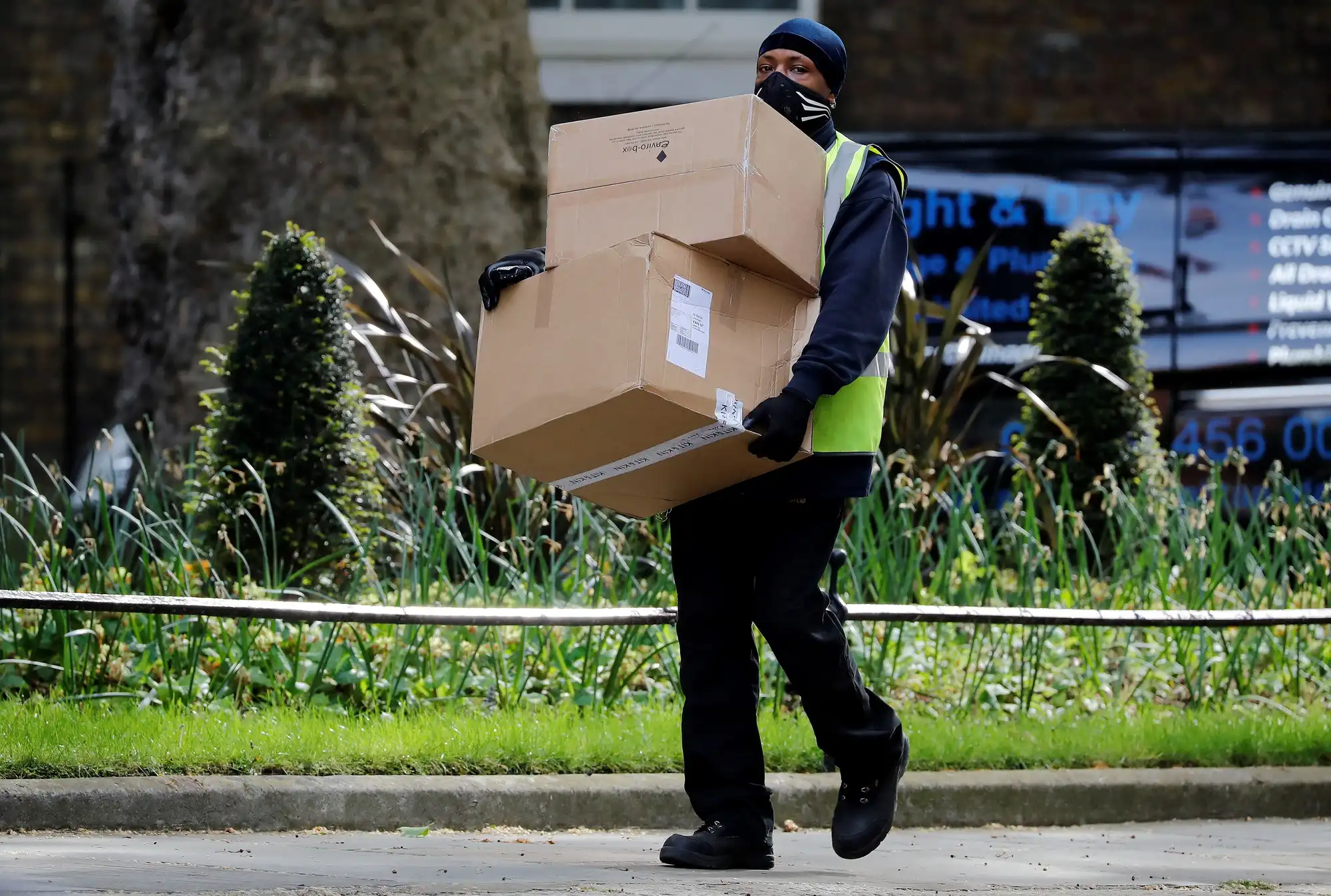
  • Cardboard makers have seen a big reduction in orders from corporate clients with more people working from home.
    Tolga Akmen/AFP via Getty Images

    From the BBC World Service: You might be surprised to see their profits. Companies making packing materials for Amazon and other retailers have seen a sharp fall in orders from corporate clients, with more people working from home. Plus, India accuses Twitter of defying new social media content rules. And, the U.K. starts talks to join the CPTPP, a trading group of countries around the Pacific Ocean. The economic benefits could be limited.

    Read MoreDownload