Marketplace®
Every story is an economic story

David Brancaccio

"Future Effects" Senior Correspondent

David Brancaccio is Marketplace’s “future effects” senior correspondent. In this role, David aims to explore how short-term thinking can impact our personal finances, innovation, government policy, and more.

David worked as the host and senior editor of “Marketplace Morning Report” from 2013 to 2026, where he focused on the regulation of financial markets, the role of technology in labor markets, the history of innovation, digital privacy, sustainability, social enterprises, and financial vulnerability in older adults. David freelanced for Marketplace in 1989 before becoming the program’s European correspondent based in London in 1990.

David hosted the evening program from 1993-2003, then anchored the award-winning public television news program “Now” on PBS after a period co-hosting with journalist Bill Moyers. David has co-produced and appeared in several documentaries, including “Fixing the Future,” about alternative approaches to the economy, and “On Thin Ice,” about climate change and water security, with mountaineer Conrad Anker. David is the author of “Squandering Aimlessly,” a book about personal values and money. He enjoys moderating public policy discussions, including at the Aspen Ideas Festival, Chicago Ideas Week, and the Camden Conference in Maine.

David is from Waterville, Maine, and has degrees from Wesleyan and Stanford universities. Honors include the Peabody, Alfred I. duPont-Columbia University, Emmy, and Walter Cronkite awards. He is married to Mary Brancaccio, a poet and educator. They have three offspring, all adults. He likes making beer and building (and launching) pretty big rockets. Among his heroes are Edward R. Murrow and Wolfman Jack.

Latest from David Brancaccio

  • Beijing's decision to loosen strict COVID-19 restrictions has helped ignite a rally in financial markets.
    Kevin Frayer/Getty Images

    From the BBC World Service: Hong Kong’s tech-heavy Hang Seng surged nearly 8% on Friday, with market rallies in Shanghai and Tokyo. Plus, Singles Day in China – the biggest shopping day of the year – saw estimated sales nearly 5% lower than last year. Also, U.S. Treasury Secretary Yellen is in India to try to bolster trade ties. And, a film 90 years in the making is finally hitting the silver screen.

    Read MoreDownload
  • Roosevelt Forward CEO Felicia Wong says President Biden and congressional Democrats may be able to implement their economic priorities through laws they already passed, such as the Infrastructure Investment and Jobs Act and the CHIPS and Science Act.
    Win McNamee via Getty Images

    Roosevelt Forward CEO Felicia Wong says the party isn’t necessarily out of options even if Republicans take Congress.

    Read MoreDownload
  • Inflation cools down, ever so slightly
    Spencer Platt/Getty Images

    Is this a sign that the higher interest rates are working? We discuss with Diane Swonk of KPMG. Then, we have more on the aftermath of the fallen Binance-FTX deal. Seasonal hiring has appeared to slow down this year. Also, slavery as a form of criminal punishment was a thing in several states until voters closed a legal loophole.

    Read MoreDownload
  • How the election results could shape economic policy
    Photo by Mario Tama/Getty Images

    From a possible recession to big tech regulation, here’s how the election may influence our economy.

    Read MoreDownload
  • Surveying the wreckage left behind from a collapsed crypto deal
    Michael M. Santiago/Getty Images

    We take a peek into the fallout from the failed bailout pact between crypto exchanges Binance and FTX. Also, we delve more into the developing election results and their possible impact on economic policy.

    Read MoreDownload
  • Growing concerns over the viability of FTX sent the price of popular cryptocurrency Bitcoin to a two-year low.
    Alex Peña/Getty Images

    From the BBC World Service: One of the world’s biggest cryptocurrency exchanges, FTX, is on the brink of collapse. A bailout deal it struck with archrival Binance on Wednesday has fallen through. Plus, a new survey says the influence of fossil-fuel lobbyists at climate talks has risen significantly in recent years. And, the costs of supporting migrants who are rescued at sea.

    Read MoreDownload
  • Voting booths are seen at Glass Elementary School's polling station in Eagle Pass, Texas, on November 8, 2022.
    Mark Felix/AFP via Getty Images

    Where the votes go could determine how investors — and their portfolios — could look at the U.S.

    Read MoreDownload
  • Discussing the financial asset known as democracy
    Anna Moneymaker/Getty Images

    Political scientist Ian Bremmer helps us figure out economic takeaways from the aftermath of Election Day. David Kelly of J.P. Morgan talks about the impact of possible Republican control of the House. A drought has sapped the water levels of the Mississippi River, and farmers are struggling as a result.

    Read MoreDownload
  • Markets remain steady as the ballots get counted
    Michael M. Santiago/Getty Images

    We discuss some potential election outcomes and how they could affect the economy. Big spending on state ballot measures led to some mixed results. The waves of tech layoffs have actually endangered the ability of many people to stay in the U.S.

    Read MoreDownload
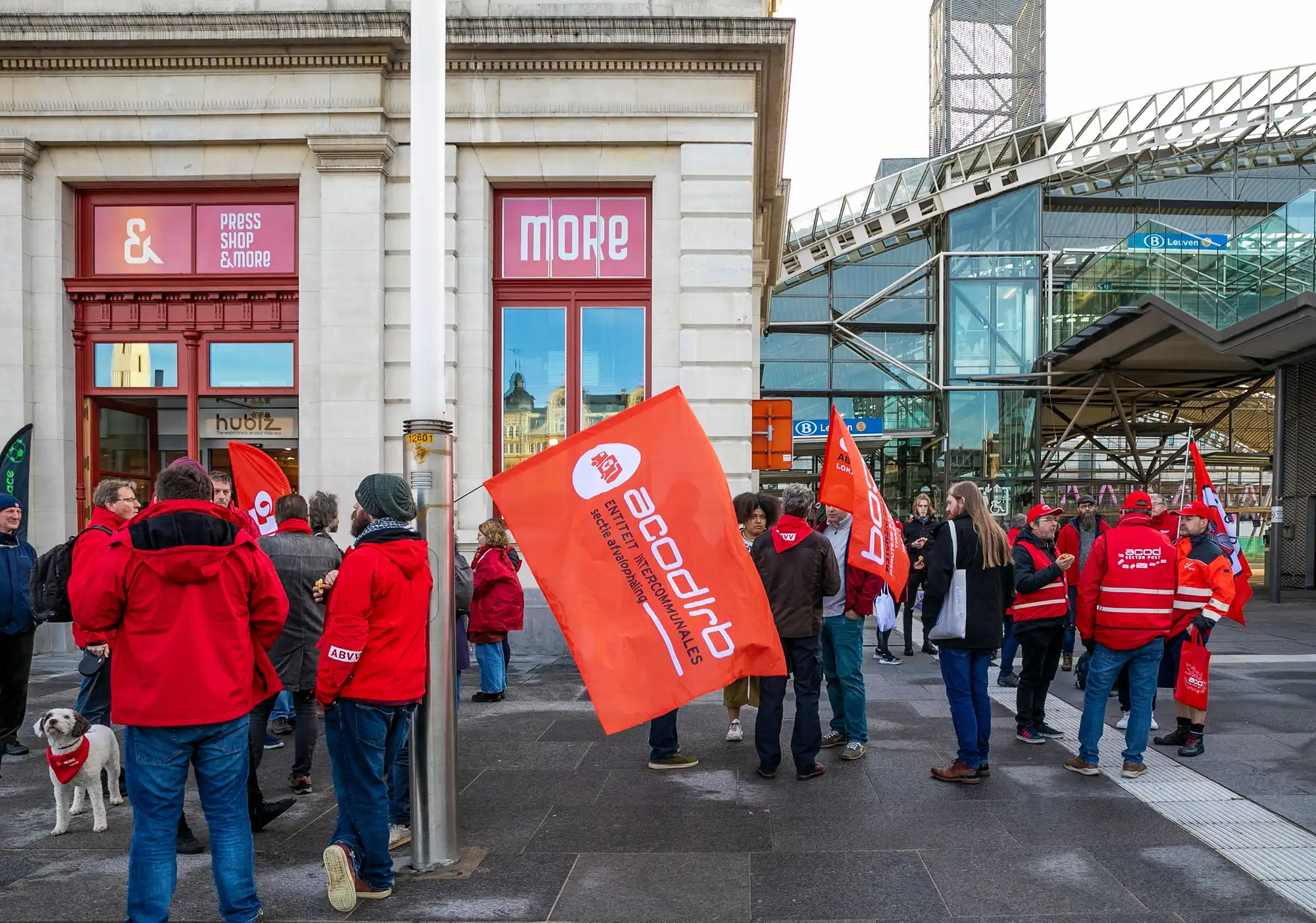
  • Belgium is the latest European country facing cost of living strikes
    HATIM KAGHAT/Belga/AFP

    From the BBC World Service: Only two European Union countries tie mandatory pay raises for the public and private sector to consumer price inflation: Belgium and Luxembourg. But workers in Belgium say those increases aren’t enough, so they’re walking out and demanding more. Plus, Twitter has laid off most workers at its Africa office in Ghana. And, India says it will continue to buy Russian crude oil.

    Read MoreDownload