Marketplace®
Every story is an economic story

David Brancaccio

"Future Effects" Senior Correspondent

David Brancaccio is Marketplace’s “future effects” senior correspondent. In this role, David aims to explore how short-term thinking can impact our personal finances, innovation, government policy, and more.

David worked as the host and senior editor of “Marketplace Morning Report” from 2013 to 2026, where he focused on the regulation of financial markets, the role of technology in labor markets, the history of innovation, digital privacy, sustainability, social enterprises, and financial vulnerability in older adults. David freelanced for Marketplace in 1989 before becoming the program’s European correspondent based in London in 1990.

David hosted the evening program from 1993-2003, then anchored the award-winning public television news program “Now” on PBS after a period co-hosting with journalist Bill Moyers. David has co-produced and appeared in several documentaries, including “Fixing the Future,” about alternative approaches to the economy, and “On Thin Ice,” about climate change and water security, with mountaineer Conrad Anker. David is the author of “Squandering Aimlessly,” a book about personal values and money. He enjoys moderating public policy discussions, including at the Aspen Ideas Festival, Chicago Ideas Week, and the Camden Conference in Maine.

David is from Waterville, Maine, and has degrees from Wesleyan and Stanford universities. Honors include the Peabody, Alfred I. duPont-Columbia University, Emmy, and Walter Cronkite awards. He is married to Mary Brancaccio, a poet and educator. They have three offspring, all adults. He likes making beer and building (and launching) pretty big rockets. Among his heroes are Edward R. Murrow and Wolfman Jack.

Latest from David Brancaccio

  • The technology developed by two immigrants at Bell Labs in 1959 allowed transistors to become small enough so that more could fit on a microprocessor.
    krystiannawrocki/Getty Images

    Mohamed Atalla of Egypt and Dawon Kahng of Korea are responsible for the technology that helped harness the transistor’s power.

    Read MoreDownload
  • NEW YORK, NEW YORK - JUNE 14: Traders work on the floor of the New York Stock Exchange (NYSE) on June 14, 2022 in New York City. The Dow was up in morning trading following a drop on Monday of over 800 points, which sent the market into bear territory as fears of a possible recession loom.
    Photo by Spencer Platt/Getty Images

    We follow up with more on what’s next for the Fed after it raised interest rates again. Lawmakers are zeroing in on crypto regulation following the collapse of FTX. Could free transit in D.C. become reality?

    Read MoreDownload
  • The transistor helped signal the start of Silicon Valley
    David McNew/ Newsmakers

    First, we have more on the Federal Reserve, which raised interest rates Wednesday. Our next chapter in our series about the transistor details its impact on the place that would come to be known as Silicon Valley. 

    Read MoreDownload
  • A vendor weighs food for a customer at a market in Shenyang, in China's eastern Liaoning province on December 9, 2022.
    Photo by STR/AFP via Getty Images

    From the BBC World Service: New data from China sounds the economic alarm bells – it performed worse than expected last month, before the government abandoned its zero-COVID strategy. Plus, why Bosnia and Herzegovina is pinning its hopes on membership in the European Union. And, Nigeria’s issuing new banknotes, saying it wants to reduce the amount of cash in circulation. With elections due in February, the move might affect some politicians who hand out cash as part of their campaign.

    Read MoreDownload
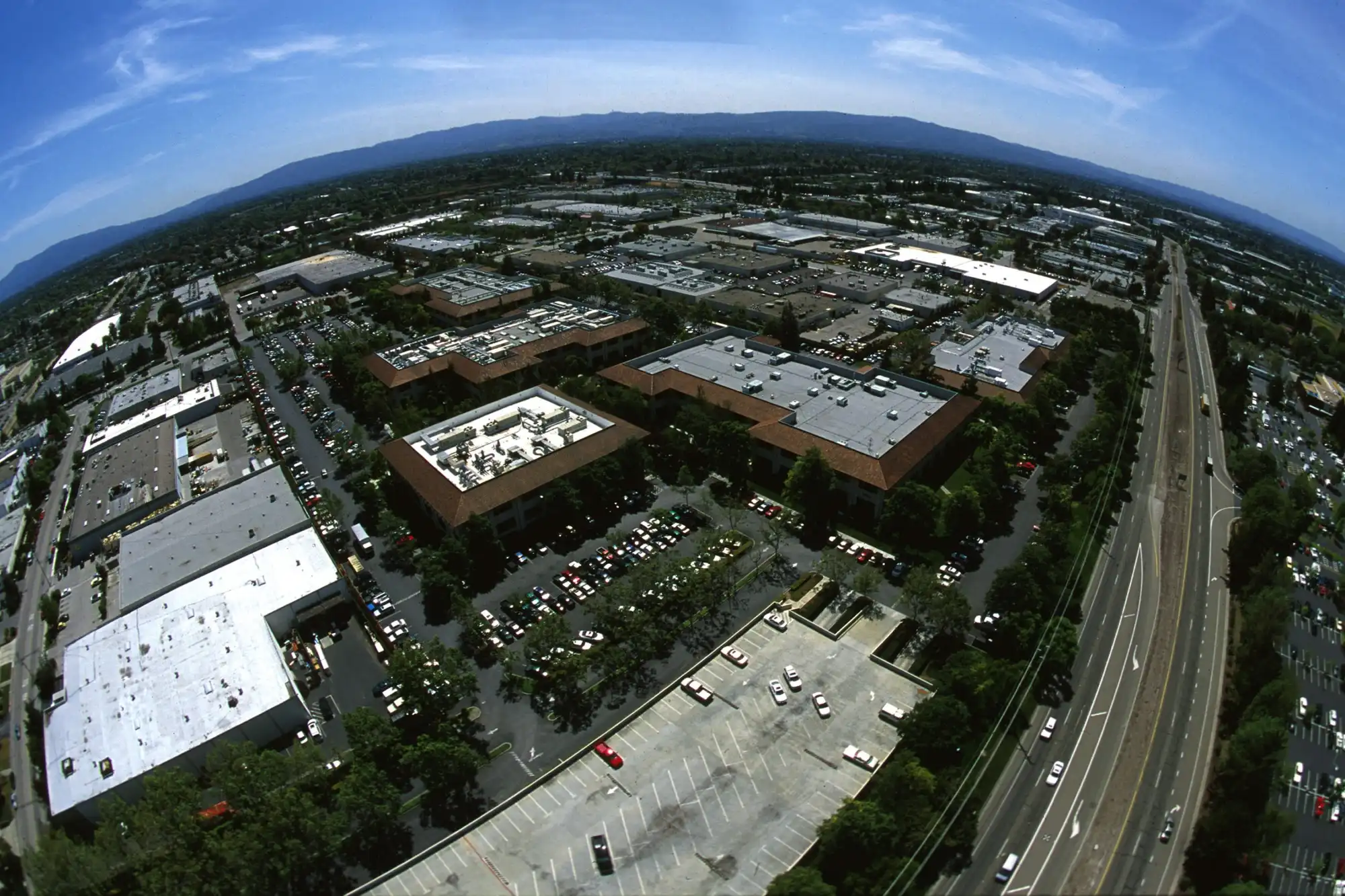
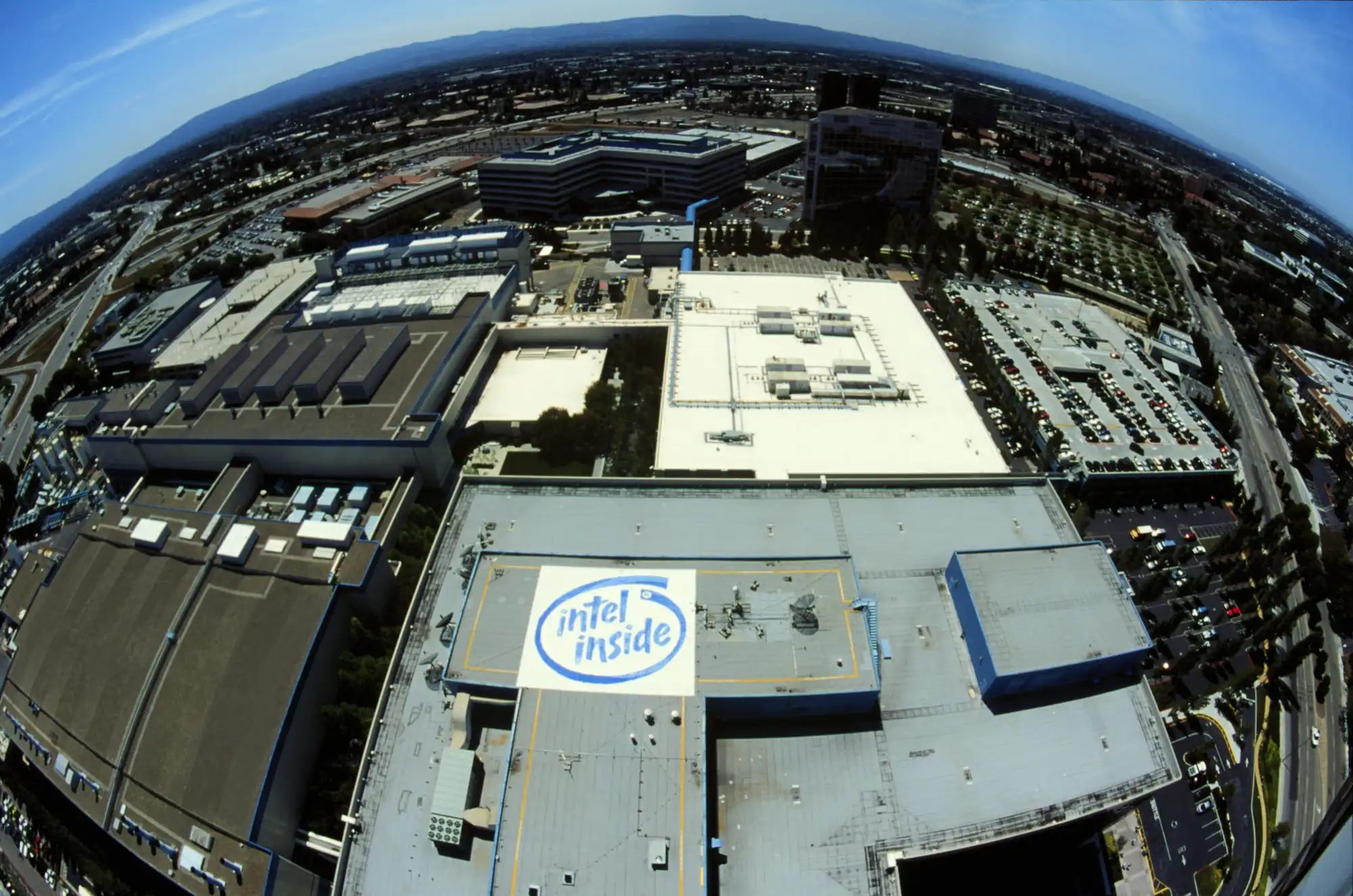
  • Companies like Intel were born from the semiconductor revolution. But how did silicon — and the transistor — end up in California?
    David McNew/Newsmakers via Getty Images

    Silicon Valley exists for a number of reasons. Chief among them might be the mother of a Nobel Prize winner.

    Read MoreDownload
  • You know about interest rates. Ever heard of the Fed’s balance sheet?
    Anna Moneymaker/Getty Images

    The Fed is expected to raise interest rates again, but not by as much as before. Susan Schmidt explains what that could mean. Sticking with the Fed, we look into another tool it has that can affect your mortgage. The number of H-2B seasonal worker visas being offered has sharply increased.

    Read MoreDownload
  • 21st August 1962: A woman inspects the aerials of Floret transistor radios at the Radio Show at Earl's Court, London.
    Reg Speller/Getty Images

    First, lawmakers are closing in on a federal budget deal to avoid government shutdown. For the next chapter in our series on the transistor, we examine the device’s entry into mainstream culture.

    Read MoreDownload
  • A man holds up a placard as striking mail workers and supporters gather in Parliament Square, London.
    Photo by Leon Neal/Getty Images

    From the BBC World Service: Hundreds of thousands of workers across swathes of the U.K.’s infrastructure have begun walkouts, which are set to stretch right through the Christmas period. It’s part of a wider picture – frontline workers feeling the cost-of-living squeeze who feel their pay needs to rise to meet those costs. Also, as part of our series on the invention of the transistor, we look at the significance of the transistor radio to Africa.

    Read MoreDownload
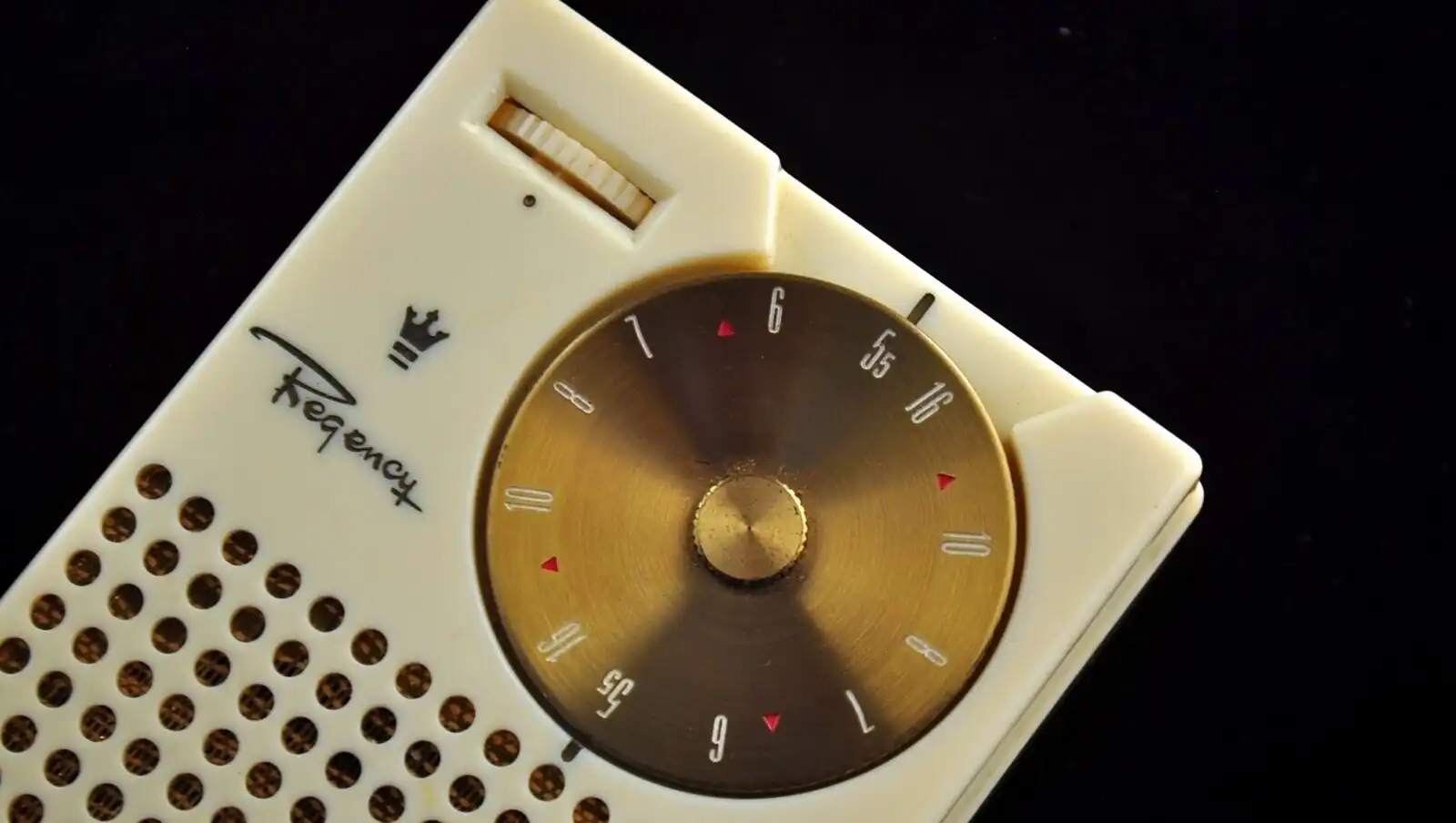
  • The Regency TR-1 was the first commercially manufactured transistor radio.
    Joe Haupt via Wikimedia Commons

    The transistor starts to shine when Texas Instruments asks Regency to make a radio for more mobile listening.

    Read MoreDownload
  • Fusion energy breakthroughs carry a heavy price tag
    Olivier Douliery/AFP via Getty Images

    First, Jeffrey Cleveland of Payden & Rygel discusses some possible good news when it comes to inflation. A breakthrough in fusion energy is announced. We take a look at the birthplace of the transistor, Nokia Bell Labs, and where it stands today.

    Read MoreDownload
David Brancaccio