Marketplace®
Every story is an economic story

David Brancaccio

"Future Effects" Senior Correspondent

David Brancaccio is Marketplace’s “future effects” senior correspondent. In this role, David aims to explore how short-term thinking can impact our personal finances, innovation, government policy, and more.

David worked as the host and senior editor of “Marketplace Morning Report” from 2013 to 2026, where he focused on the regulation of financial markets, the role of technology in labor markets, the history of innovation, digital privacy, sustainability, social enterprises, and financial vulnerability in older adults. David freelanced for Marketplace in 1989 before becoming the program’s European correspondent based in London in 1990.

David hosted the evening program from 1993-2003, then anchored the award-winning public television news program “Now” on PBS after a period co-hosting with journalist Bill Moyers. David has co-produced and appeared in several documentaries, including “Fixing the Future,” about alternative approaches to the economy, and “On Thin Ice,” about climate change and water security, with mountaineer Conrad Anker. David is the author of “Squandering Aimlessly,” a book about personal values and money. He enjoys moderating public policy discussions, including at the Aspen Ideas Festival, Chicago Ideas Week, and the Camden Conference in Maine.

David is from Waterville, Maine, and has degrees from Wesleyan and Stanford universities. Honors include the Peabody, Alfred I. duPont-Columbia University, Emmy, and Walter Cronkite awards. He is married to Mary Brancaccio, a poet and educator. They have three offspring, all adults. He likes making beer and building (and launching) pretty big rockets. Among his heroes are Edward R. Murrow and Wolfman Jack.

Latest from David Brancaccio

  • Members of Parliament of left-wing coalition NUPES (New People's Ecologic and Social Union) hold placards during the speech of France's Prime Minister Elisabeth Borne (C), as she confirms to force through pension law without parliament vote during a session on the government's pension reform at the lower house National Assembly, in Paris on March 16, 2023. - French President forced through pension law without parliament vote, after he  won approval from the upper house Senate for his reform of the pension system, which has sparked massive protests and strikes since the start of the year. (Photo by Alain JOCARD / AFP) (Photo by ALAIN JOCARD/AFP via Getty Images)

    From the BBC World Service: There have been protests inside and outside the French parliament as President Emmanuel Macron invoked special constitutional powers to pass his contentious pensions bill, which he said is needed to ensure the system does not go bust. BBC Paris Correspondent Hugh Schofield was watching proceedings unfold in the French capital. Plus, today is St Patrick’s Day, so how does Ireland make the most of this opportunity when it comes to trade? Marketplace’s Leanna Bryne’s been finding out.

    Read MoreDownload
  • Biden calls for more EPA funding in aftermath of Ohio train disaster
    Michael Swensen/Getty Images

    The Biden administration has called for a boost in funding for the Environmental Protection Agency in the wake of the derailment of a Norfolk Southern train in Ohio. The ask came in form of the president’s budget request to Congress, where it faces long odds in the divided legislature. Credit Suisse, the megabank that received a lifeline of over $50 billion this morning from the Swiss central bank, has been a risky institution for a long time, explains 7IM’s Ben Kumar. And, a look at how the latest economic data may influence the Fed’s upcoming decision on interest rates.

    Read MoreDownload
  • The threat of “moral hazard” post-SVB collapse

    Part of the government’s rescue actions amid the collapse of Silicon Valley Bank and Signature Bank was the establishment of a new Fed emergency lending program for banks in crisis. According to analyst Joseph Wang, the program could incentivize riskier behavior at banks. Credit Suisse, one of the world’s largest banks, has been extended a lifeline by the Swiss central bank. And, Biden administration has proposed stricter standards to regulate so-called “forever chemicals” in drinking water.

    Read MoreDownload
  • Credit Suisse thrown a lifeline
    Fabrice Coffrini/AFP via Getty Images

    From the BBC World Service: Credit Suisse shares have bounced back after a $54bn vote of confidence from Switzerland’s central bank. But how will volatility in the banking sector affect an interest rate decision due today from the European Central Bank? Plus, in the Netherlands a farmers’ protest party has emerged as the big winner in provincial elections. They’ve been campaigning against government plans to buy livestock farms with the aim of cutting ammonia and nitrogen oxide emissions.

    Read MoreDownload
  • The Fed's freshly created Bank Term Funding Program could reduce the incentives for banks to follow good practices, says analyst Joseph Wang.
    Mark Wilson/Getty Images

    The Fed’s new program may incentivize banks to take more risks, says analyst Joseph Wang.

    Read MoreDownload
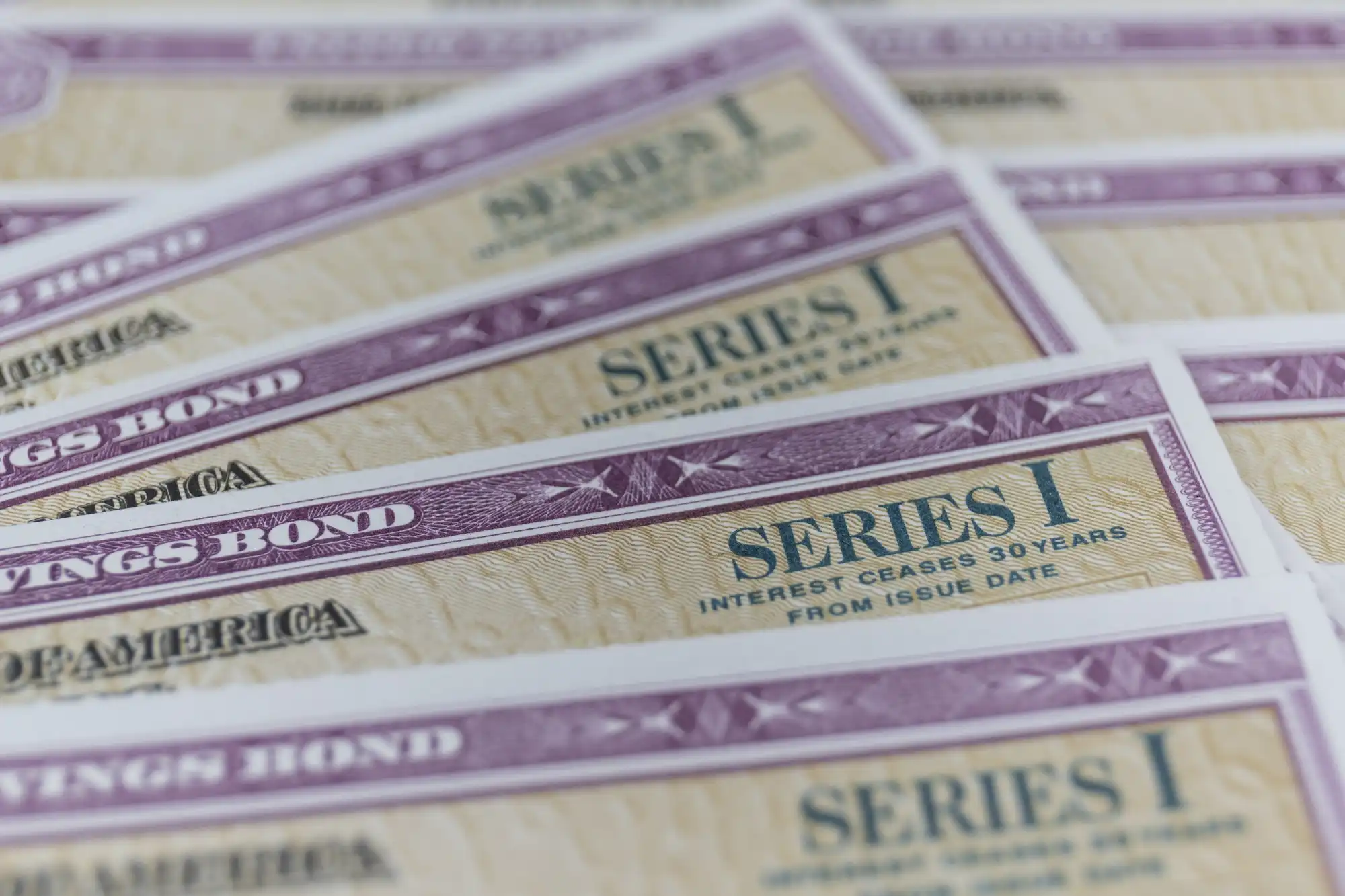
  • If you still have a savings bond past its maturation date, you're effectively giving the government an interest-free loan.
    jetcityimage/iStock/Getty Images Plus

    One of the many questions around the two recent U.S. bank failures is why depositors became so spooked even when their bank held supposedly-safe assets like Treasury bonds. The answer, says Susan Schmidt, is largely because of those bonds’ decreased value because of higher interest rates. Credit Suisse, one of the world’s largest financial institutions, saw its stock nosedive this morning after it revealed it had been audited for shoddy accounting practices. And, a look at why sustainable versions of popular products are finding a growing niche in the market. 

    Read MoreDownload
  • World Bank chief nominee underscores climate change fight
    Tony Karumba/AFP via Getty Images

    Ajay Banga, the former CEO of Mastercard and U.S. nominee for the World Bank presidency, is on a global “listening tour” to garner support for his bid. While speaking with global business and government leaders, one thing he underscored was the importance of the fight against climate change in the upcoming years. Mortgage rates have been down in recent days amid unease about the financial sector following the collapse of two U.S. banks. And, a look at how hip-hop was shaped by economic pain in 1970s New York City. 

    Read MoreDownload
  • Despite Credit Suisse rumblings, Europe says its banks are resilient
    Daniel Roland/AFP via Getty Images

    From the BBC World Service: The European Union’s banking regulator says it doesn’t see “any threat to financial stability of European Banks”, following the collapse of SVB. We ask an economics professor at a French business school why European banks are less likely to fail. We spoke to him before Credit Suisse’s shares collapsed after a major shareholder said it would not continue to invest. Also, the UK Government will be hoping for less turmoil as it prepares to announce its budget; the last one led to the pound reaching record lows and cost the then Prime Minister her job. Plus, we report from Beirut where the Lebanese currency is in freefall.

    Read MoreDownload
  • Inflation is still high. But will the Fed raise rates next week?
    Samuel Corum/Getty Images

    The SVB banking mess complicates the Federal Reserve’s path forward on interest rates — there are concerns about higher rates putting stress on the financial system, but the latest Consumer Price Index shows that inflation is still too high. Jeffrey Cleveland of Payden & Rygel has more. The banking crisis has prompted questions around whether regulators failed to detect — or act upon — red flags in either of the failed banks, explains Wharton professor Peter Conti-Brown. And, last week’s jobs report showed that women are becoming increasingly involved in the labor force after a pandemic-era dip.

    Read MoreDownload
  • Regulators likely failed to curtail poor practices at Signature Bank (pictured) and Silicon Valley Bank, said Wharton professor Peter Conti-Brown.
    Ed Jones/AFP via Getty Images

    Regulators likely failed to catch and act upon red flags at both failed banks, argues Wharton professor Peter Conti-Brown.

    Read MoreDownload
David Brancaccio