Marketplace®
Every story is an economic story

David Brancaccio

"Future Effects" Senior Correspondent

David Brancaccio is Marketplace’s “future effects” senior correspondent. In this role, David aims to explore how short-term thinking can impact our personal finances, innovation, government policy, and more.

David worked as the host and senior editor of “Marketplace Morning Report” from 2013 to 2026, where he focused on the regulation of financial markets, the role of technology in labor markets, the history of innovation, digital privacy, sustainability, social enterprises, and financial vulnerability in older adults. David freelanced for Marketplace in 1989 before becoming the program’s European correspondent based in London in 1990.

David hosted the evening program from 1993-2003, then anchored the award-winning public television news program “Now” on PBS after a period co-hosting with journalist Bill Moyers. David has co-produced and appeared in several documentaries, including “Fixing the Future,” about alternative approaches to the economy, and “On Thin Ice,” about climate change and water security, with mountaineer Conrad Anker. David is the author of “Squandering Aimlessly,” a book about personal values and money. He enjoys moderating public policy discussions, including at the Aspen Ideas Festival, Chicago Ideas Week, and the Camden Conference in Maine.

David is from Waterville, Maine, and has degrees from Wesleyan and Stanford universities. Honors include the Peabody, Alfred I. duPont-Columbia University, Emmy, and Walter Cronkite awards. He is married to Mary Brancaccio, a poet and educator. They have three offspring, all adults. He likes making beer and building (and launching) pretty big rockets. Among his heroes are Edward R. Murrow and Wolfman Jack.

Latest from David Brancaccio

  • A big week ahead in Washington for the global economy
    Win McNamee/Getty Images

    The World Bank and the International Monetary Fund, the titans of international finance, start their joint spring meetings in Washington, D.C. this week. We talk with World Bank chief David Malpass about what he’s looking to discuss at the meeting, including the precarious debt positions of developing nations and rising interest rates in advanced economies. And, a look into how workers are dealing with lower wage increases as inflation remains stubbornly high. 

    Read MoreDownload
  • Another Tesla Megafactory, this time in Shanghai
    Getty Images

    From the BBC World Service: Tesla announced that it will open an additional battery production factory in Shanghai that will complement the company’s existing facilities in the city. The electric car maker’s new factory will be capable of producing 10,000 battery megapacks a year. The UN warns that more than twenty African countries are at risk of not being able to repay some of their debts. On the 25th anniversary of the Good Friday Agreement, is Northern Ireland still reaping the economic benefits?

    Read MoreDownload
  • Outgoing World Bank President at an October news conference. He laments that "the investment rates into developing countries has turned downward."
    Anna Moneymaker/Getty Images

    Chief David Malpass discusses the obstacles facing developing nations, including a scarcity of investment capital and loans from the rich world.

    Read MoreDownload
  • The jobs report shows a hiring decline, but is it enough for the Fed?
    Justin Sullivan/Getty Images

    The government’s official jobs numbers dropped this morning, and it showed a slowdown in the number of workers being hired with an unemployment rate of 3.5%. That signals progress toward the Fed’s goal of cooling off the labor market, says FHN Financial chief economist Christopher Low, but it may not be enough to satisfy Jerome Powell and Co. Plus, we look at why Native Americans are often under-represented in government data and what can mean when big datasets like the jobs report come out. And, why Wyoming is still trying to solicit crypto investors amid the industry’s recent high-profile scandals. 

    Read MoreDownload
  • Chipmaking giant Samsung to cut production amid slowing demand
    Chung Sung-Jun/Getty Images

    Samsung, the South Korean electronics giant, reported that profits declined by a whopping 96% in Q1 of this year due to slowing demand for microchips and other electronics. We look at the company’s decision to cut production of microchips as a result of the news, and what that says about the wider economy. Plus, lumber prices may be coming down from sky-high pandemic rates, but that will likely do little to alleviate the housing crunch. And, a story of how a Native American group negotiated for the removal of a dam in North Carolina in order to restore the tribe’s land. 

    Read MoreDownload
  • The Good Friday Agreement – 25 years on
    Getty Images

    From the BBC World Service: 25 years ago this weekend, the Good Friday Agreement brought an end to 30 years of conflict in Northern Ireland. Plus, an Australian mayor may sue the company behind ChatGPT after it falsely claimed he’d been jailed for bribery. And, in the UK, printing is underway of new banknotes featuring King Charles III.

    Read MoreDownload
  • Don’t forget those new green credits on your taxes this year
    Leon Neal/Getty Images

    The tax filing deadline is approaching for most Americans, and a significant number will benefit from new green credits set out in the Inflation Reduction Act. We look at what these new tax credits are, as well as how they could benefit people who installed heat pumps, switched to solar panels or bought electric cars last year. Plus, new data shows that the number of people seeing unemployment benefits ticked down but remained higher than expected — KPMG Chief Economist Diane Swonk tells us what that could say about the labor market. And, why some people who were laid off are not seeking unemployment benefits. 

    Read MoreDownload
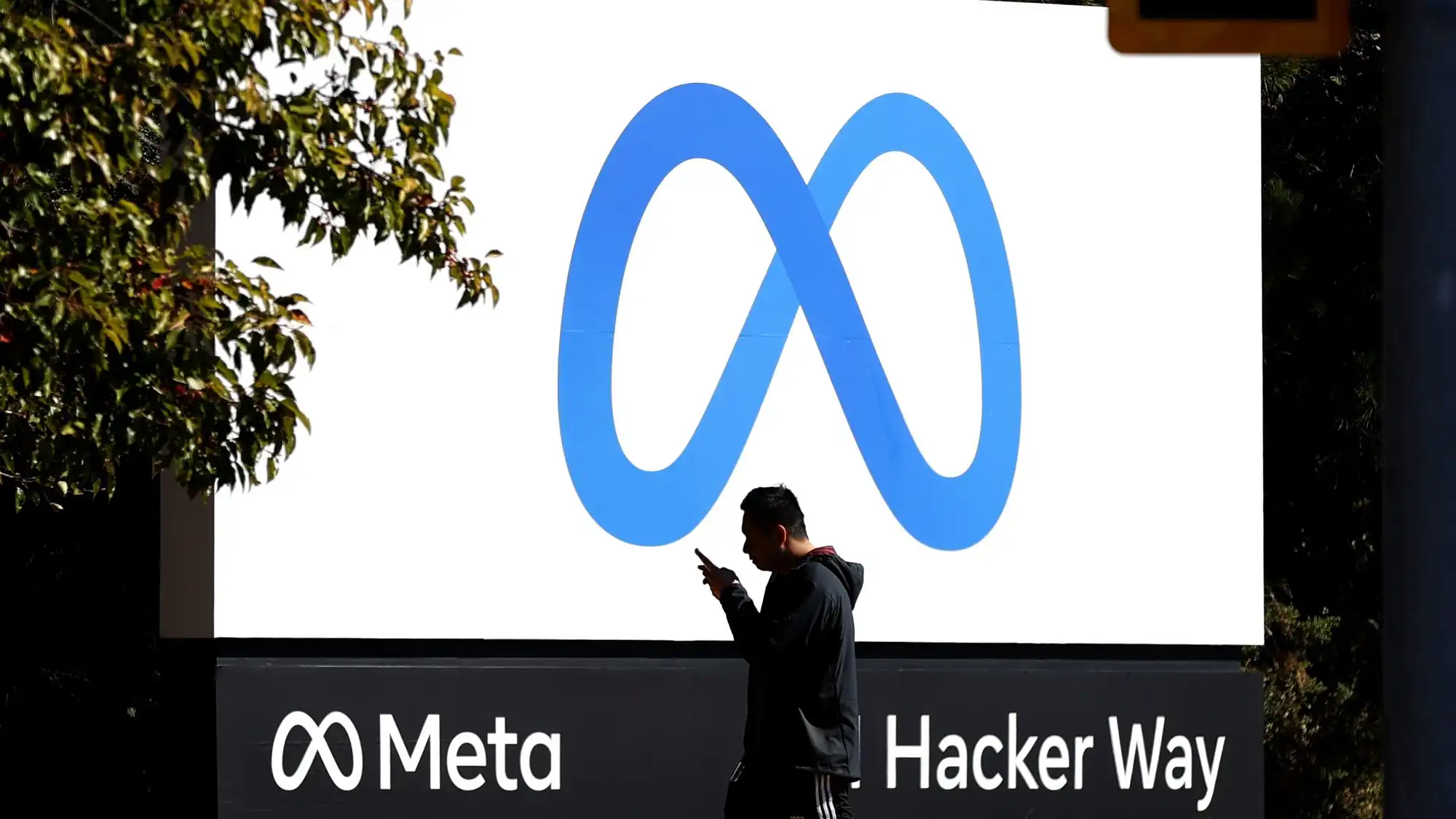
  • Meta throws its hat into the generative AI ring
    Justin Sullivan/Getty Images

    Meta, the parent company of Facebook, is looking to follow tech giants Microsoft and Alphabet into the world of computational artificial intelligence — albeit a bit belatedly. We look into what the company is dubbing “SAM”, which is in development to complement AI systems like ChatGPT. And, amid news of charges against a startup CEO who allegedly defrauded JPMorgan of $175 million, we talk with DePaul accounting professor Kelly Richmond Pope about her new book on the complexity of modern financial fraud. 

    Read MoreDownload
  • French workers continue their revolt over retirement age rise
    Christophe Archambault/AFP via Getty Images

    From the BBC World Service: France is facing another day of strikes and protests after talks between trade unions and prime minister Elisabeth Borne failed to make progress. Unions say she refused to discuss rolling back on legislation raising the retirement age from 62 to 64. We hear from a train driver involved in the protests. Plus, thousands of people have taken to the streets in Argentina over spending cuts imposed as part of a $44 billion debt repayment deal with the International Monetary Fund. And, a copy of the first Shakespeare folio — a collection of some of his most famous plays — has gone on sale with a price tag of $7.5 million.

    Read MoreDownload
  • Kelly Richmond Pope, an accounting professor, author and filmmaker, wrote about how fraudsters, victims and whistleblowers come in many forms.
    Courtesy Richmond Pope

    “Fool Me Once” by Kelly Richmond Pope looks at the world of financial fraud — and how seemingly regular people can become perpetrators.

    Read MoreDownload
David Brancaccio