The Communications Decency Act provision shields platforms from liability for the things their users say online. Former Congressman Chris Cox says those protections end at artificial intelligence.
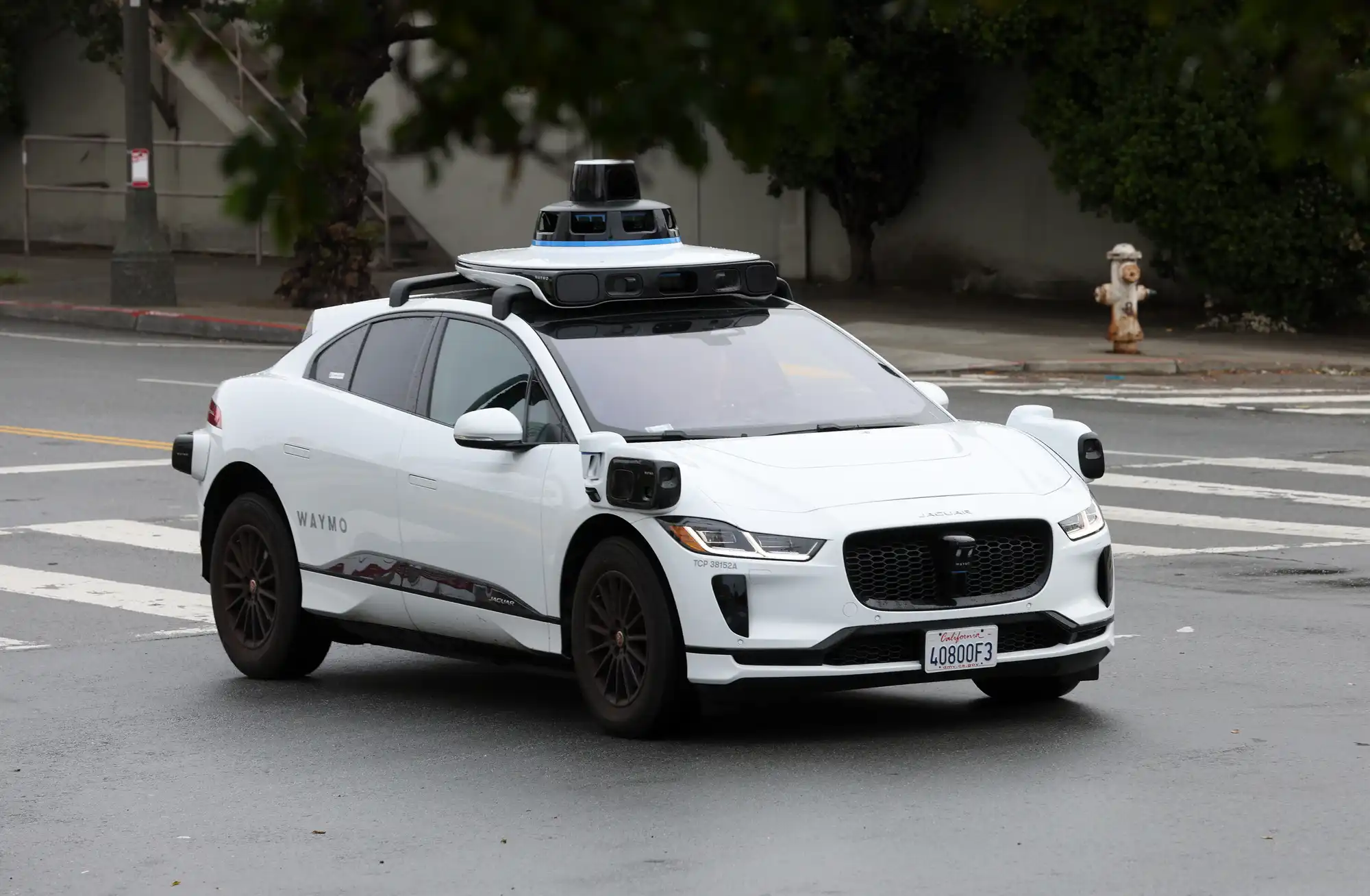
Self-driving cars are increasingly common in a handful of U.S. cities, but as their numbers grow, so do reports of problems. The Verge’s Andrew Hawkins says humans are less tolerant of robocars’ errors than of the safety risks posed by other humans.
Passwords are an enormous security risk, and big tech companies are looking at passkeys as a tentative solution to the perils of password breaches and lost phones. Chester Wisniewski of Sophos unlocks the secrets of the technology.
Google executive James Manyika emphasizes the benefits of artificial intelligence projects and points to the “collective effort” needed to mitigate the risks.
The internet search giant is trying to develop artificial intelligence tools while being mindful of the technology’s sometimes inaccurate and toxic outputs as well as the risk of misuse. That’s according to James Manyika, Google’s senior vice president of technology and society.
Emotion recognition technology requires collecting biomarkers to analyze mental health. Law professor Tiffany Li says we need special privacy protections for this “specially sensitive data.”
Asit Sharma, senior analyst at The Motley Fool, says many Americans, especially high earners, are turning to ChatGPT for investing advice. But “we know that ChatGPT is not the most accurate purveyor of results,” he says.