Malynda Hale, one of the 200 credentialed social media creators invited to the Democratic National Convention, says her role is to relay the Democratic Party’s message to younger voters.
Washington Post tech reporter Drew Harwell says a new cohort of tech vendors assess age with the help of users’ images. If those images don’t conform to typical physical features, will the user be shut out? And what exactly do they do with the info?
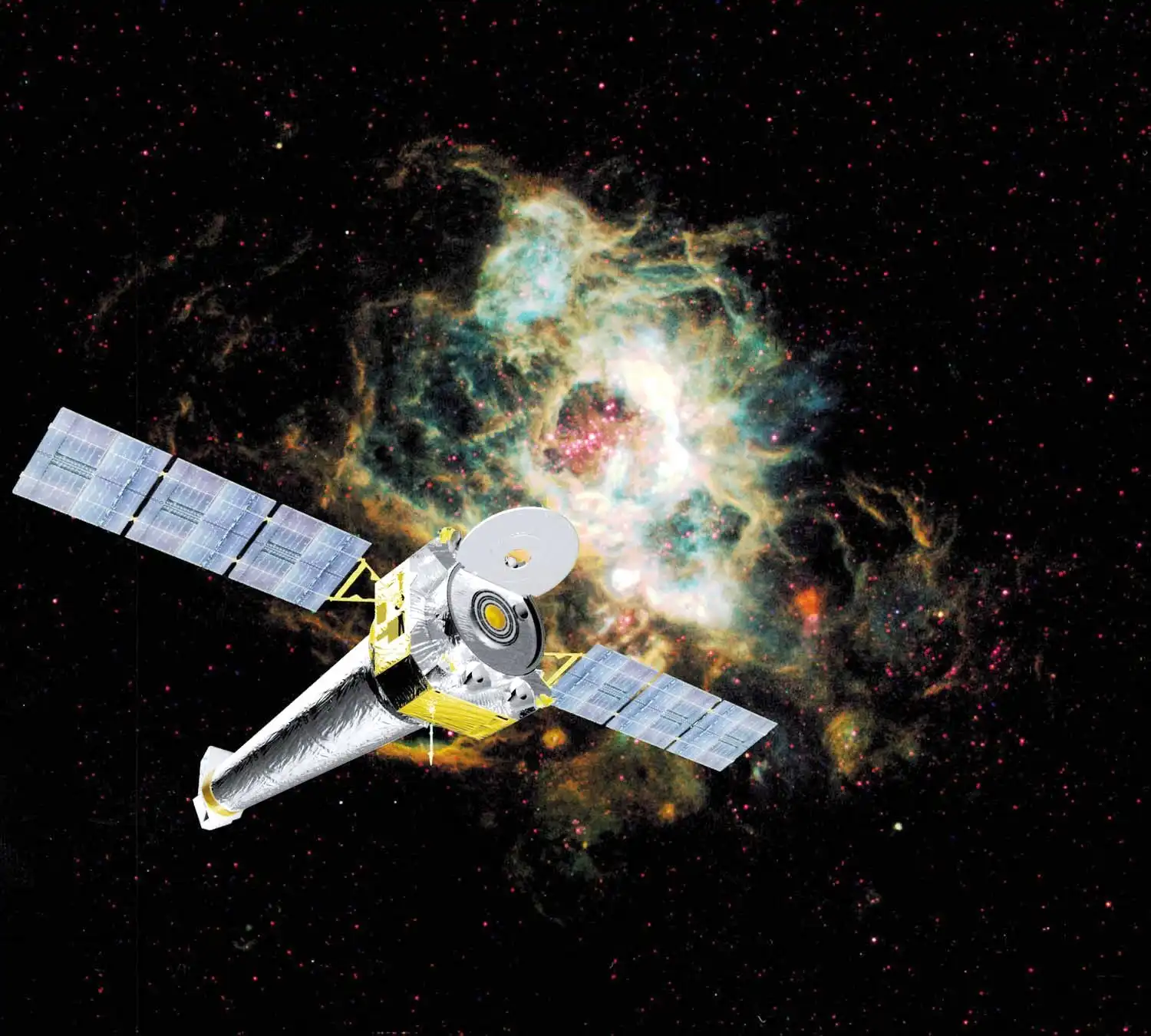
It’s not as well known as the Hubble or Webb, but Chandra illuminates high-heat and high-energy cosmic events such as supernovas, explains program manager Megan Lin. NASA may begin to wind it down in the next few years.
The Atlantic’s Caroline Mimbs Nyce says phone use monitors like Apple’s Screen Time are designed to let users take control of their digital habits, but their primary effect is just making people feel guilty.
The No Fakes Act aims to protect Americans’ faces, voices and likenesses from replication by artificial intelligence. Moiya McTier of the Human Artistry Campaign points out that it extends far beyond public figures.
Journalist Evan Ratliff explores generative AI’s believability and persuasiveness in his new podcast, “Shell Game.” His AI agents interacted with customer service reps, therapists and scammers.
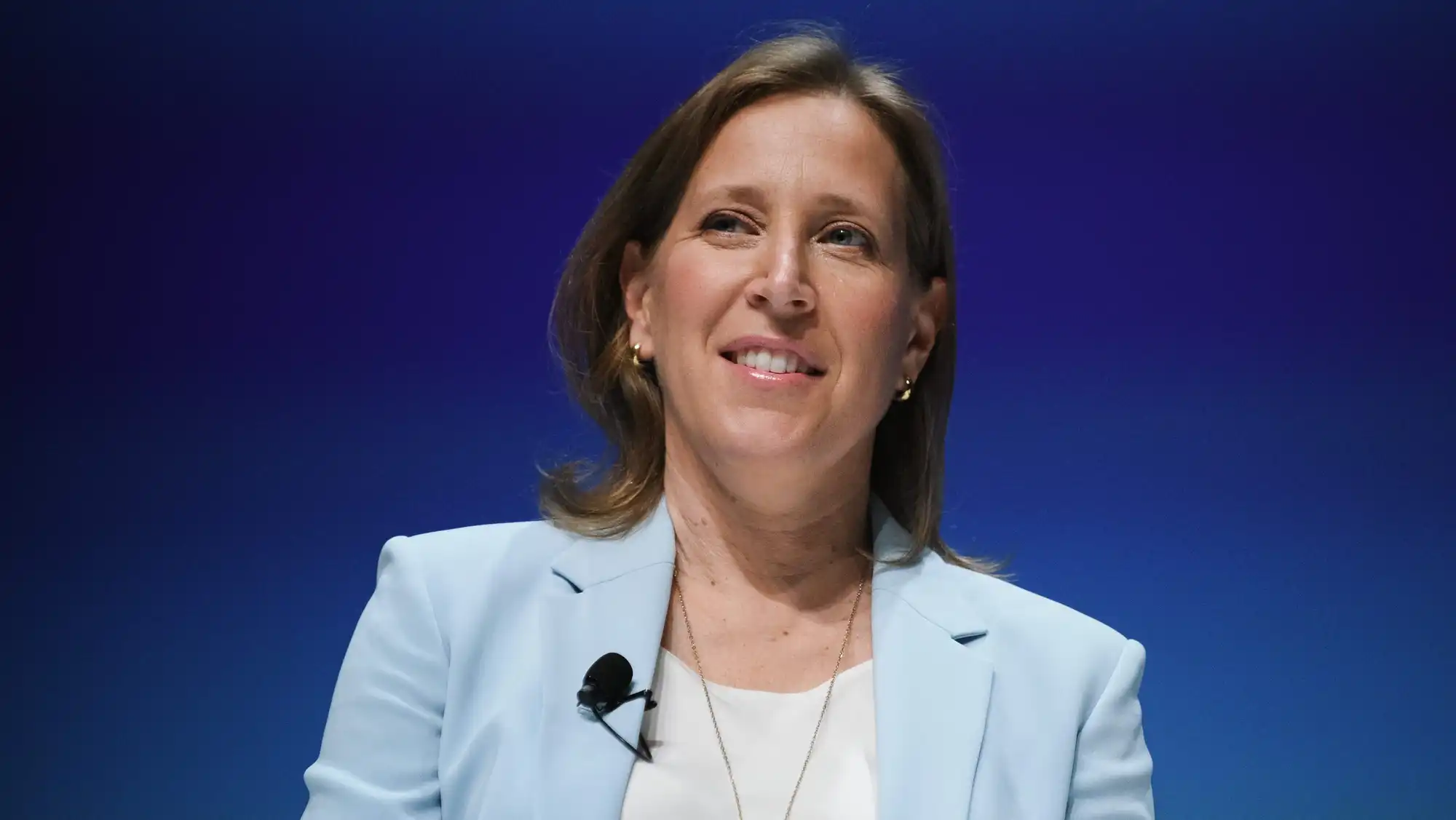
Susan Wojcicki, the former CEO of YouTube, died last week at the age of 56. As a kid, she wanted to be an artist. As an adult, she discovered the “art of technology.”