Marketplace®
Every story is an economic story

Ariana Rosas

Producer

Ariana Rosas is a producer for “Marketplace Morning Report,” a nationally broadcast business and economics news show that airs as part of NPR’s “Morning Edition.”

She joined the show in March 2022 as director-assistant producer, and a year and a half later, was promoted to overnight producer, where she oversaw daily production, contributed to the show’s daily news agenda, assigned and edited reporter stories, and line-edited the show scripts with the host. In this role, she served as the final editor and fact-checker before going live.

With the departure of the show’s longtime host, she transitioned from overnight to dayside production. She now primarily produces feature content for the morning casts and contributes to Marketplace’s digital presence.

Ariana came to Marketplace from Minnesota Public Radio, where she worked on the local version of “Morning Edition,” as well as a now-retired hour-long daily national talk show.

Ariana has a strong background in editing and fact-checking daily stories, longer-form features, as well as investigative reporting. As a freelance fact-checker, she worked across digital, print, and audio platforms, contributing to publications and outlets ranging from Rebel Girls and Vice Magazine to Reveal from the Center for Investigative Reporting.

Ariana lives in Brooklyn with her two cats, Lunar and Whiskey.

Latest from Ariana Rosas

  • Growing concerns over the viability of FTX sent the price of popular cryptocurrency Bitcoin to a two-year low.
    Alex Peña/Getty Images

    From the BBC World Service: One of the world’s biggest cryptocurrency exchanges, FTX, is on the brink of collapse. A bailout deal it struck with archrival Binance on Wednesday has fallen through. Plus, a new survey says the influence of fossil-fuel lobbyists at climate talks has risen significantly in recent years. And, the costs of supporting migrants who are rescued at sea.

    Read MoreDownload
  • Discussing the financial asset known as democracy
    Anna Moneymaker/Getty Images

    Political scientist Ian Bremmer helps us figure out economic takeaways from the aftermath of Election Day. David Kelly of J.P. Morgan talks about the impact of possible Republican control of the House. A drought has sapped the water levels of the Mississippi River, and farmers are struggling as a result.

    Read MoreDownload
  • Markets remain steady as the ballots get counted
    Michael M. Santiago/Getty Images

    We discuss some potential election outcomes and how they could affect the economy. Big spending on state ballot measures led to some mixed results. The waves of tech layoffs have actually endangered the ability of many people to stay in the U.S.

    Read MoreDownload
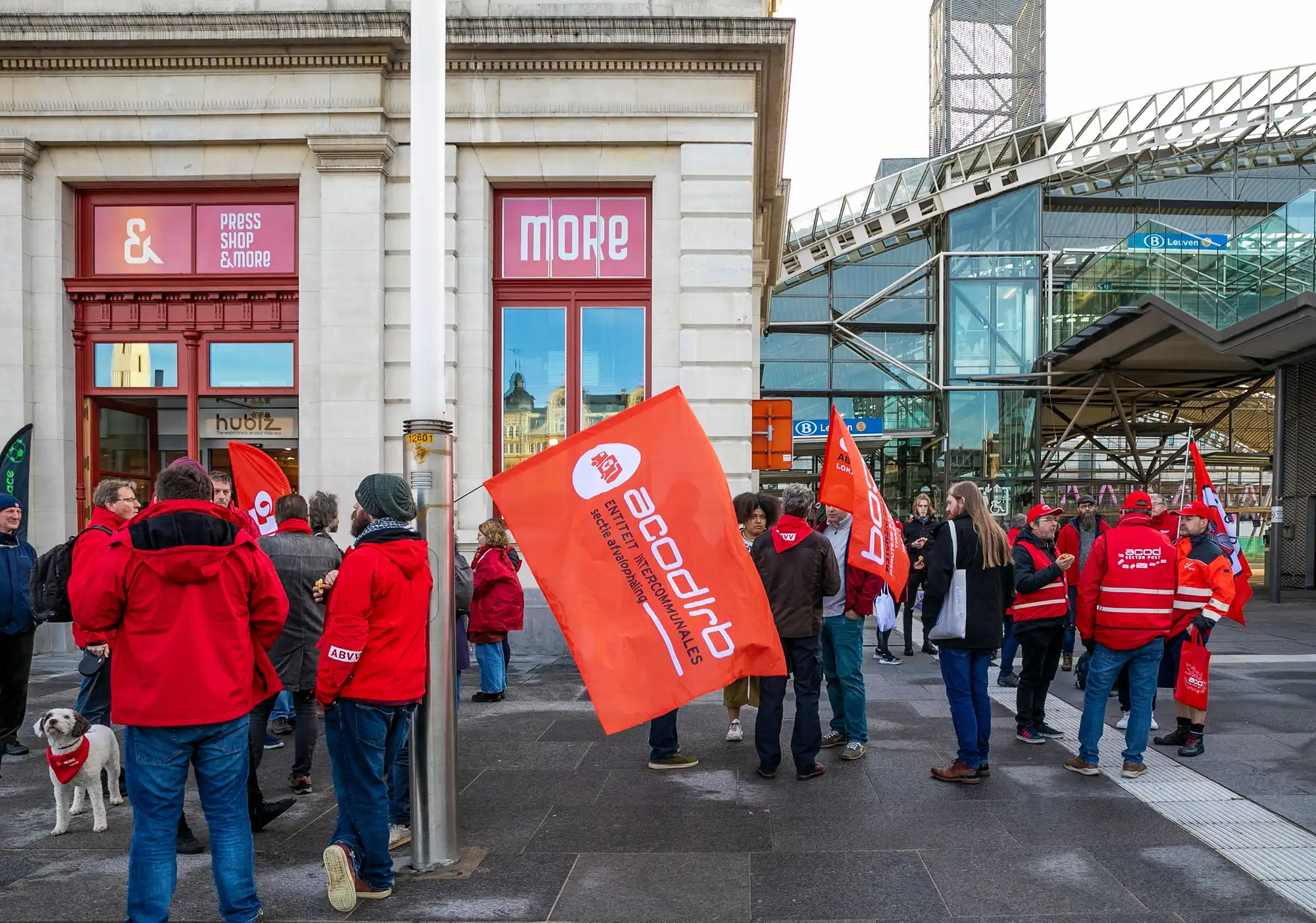
  • Belgium is the latest European country facing cost of living strikes
    HATIM KAGHAT/Belga/AFP

    From the BBC World Service: Only two European Union countries tie mandatory pay raises for the public and private sector to consumer price inflation: Belgium and Luxembourg. But workers in Belgium say those increases aren’t enough, so they’re walking out and demanding more. Plus, Twitter has laid off most workers at its Africa office in Ghana. And, India says it will continue to buy Russian crude oil.

    Read MoreDownload
  • Thinking about a second job? You’re not alone. Let’s talk about moonlighting.
    Getty Images

    First, it’s Election Day, and we discuss the possible impact of a recession with Jeffery Cleveland of Payden & Rygel. More people are taking on second jobs for a variety of reasons, according to government data. The European Union is turning up the economic heat on Hungary.

    Read MoreDownload
  • Who can help pick up the tab on climate change?
    Ahmad Gharabli/AFP via Getty Images

    At the COP27 climate change summit in Egypt, the White House has an idea to help developing countries with financing. There’s also debate about the role of natural gas. Elsewhere, the Indian Child Welfare Act faces a massive legal test before the Supreme Court.

    Read MoreDownload
  • The UN-backed Finance for Climate Action report says funding should come from individual countries, particularly more developed ones, as well as investors and development banks.
    Sean Gallup/Getty Images

    From the BBC World Service: Poorer nations need more than $2 trillion dollars each year for the next eight years to tackle the impact of a changing climate, according to a U.N.-backed report. Plus, Britain is in the midst of its worst ever outbreak of bird flu, creating a nightmare before Christmas for poultry farmers and their customers.

    Read MoreDownload
  • A look at Election Day through a macroeconomic lens
    PAUL J. RICHARDS/AFP/Getty Images

    With midterm elections approaching, Julia Coronado discusses how economic viewpoints could have an effect. Elsewhere, credit card debt appears to have returned to pre-pandemic levels. Then we talk about what could be in store for the people left behind after mass layoffs.

    Read MoreDownload
  • Unions and rail companies remain at odds
    Brandon Bell/Getty Images

    Another union has voted to ratify a new labor agreement with rail companies, but there are still sticking points for others. The BBC reports on the agenda for the COP27 climate change summit, which has started in Egypt. We discuss the economics behind grassroots ballot initiatives.

    Read MoreDownload
  • Potential financial compensation for developing countries is on the agenda for the first time since the U.N. adopted its climate convention in 1994.
    MOHAMMED ABED/AFP

    From the BBC World Service: As the COP27 world summit on climate change opens in Egypt, potential compensation for countries with developing economies from their developed neighbors is on the agenda. Plus, Apple says China’s zero COVID strategy will significantly impact iPhone production and shipping this holiday season. And, bus passengers in the U.K. face longer wait times due to a national worker shortage.

    Read MoreDownload